








What's Happening?
The American Transportation Research Institute (ATRI) has identified a significant skills gap among diesel technicians, which is impacting vehicle uptime, maintenance costs, and fleet growth. The rapid evolution of truck technology is outpacing the curricula
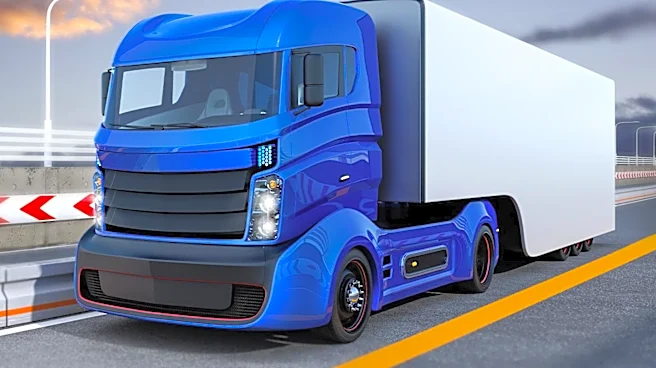
of technical institutes, leaving graduates underprepared for the demands of modern diesel trucks. These vehicles now require technicians to possess hybrid skills that combine mechanical expertise with advanced electrical and digital troubleshooting capabilities. However, many training programs continue to focus on outdated systems, resulting in approximately 30% of new graduates lacking essential skills. This gap necessitates additional on-the-job training, increasing onboarding costs and delaying productivity gains for fleets.
Why It's Important?
The skills gap among diesel technicians poses a significant challenge to the trucking industry, which relies heavily on vehicle uptime and efficient maintenance to remain competitive. As fleets struggle to find qualified technicians, they face longer repair cycles, lower first-time fix rates, and higher maintenance costs. This situation not only affects operational efficiency but also constrains fleet growth and profitability. The disconnect between educational programs and industry needs highlights the urgent requirement for updated training curricula that align with current technological advancements. Addressing this gap is crucial for ensuring the sustainability and competitiveness of the trucking industry.
What's Next?
To bridge the skills gap, stronger collaboration between fleets, original equipment manufacturers (OEMs), and technical institutes is essential. Developing advisory boards, shared equipment programs, and co-developed curricula can help align training with industry demands. Additionally, apprenticeship-style models that combine classroom instruction with hands-on shop experience can accelerate the development of job-ready technicians. Investing in continuous instructor development and elevating diagnostics and electrical systems to core competencies are also critical steps. These measures aim to produce capable technicians who can meet the evolving needs of the industry, ultimately reducing costs and improving fleet efficiency.