




What's Happening?
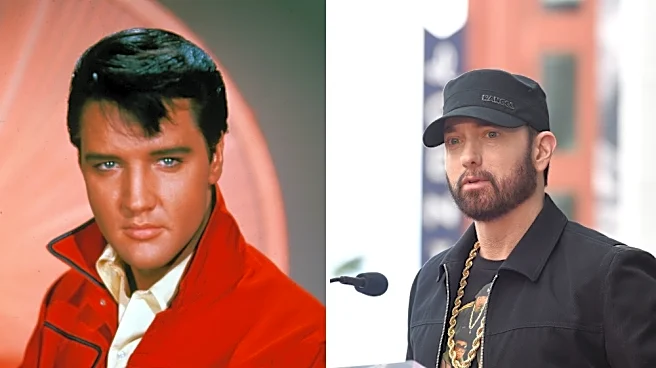
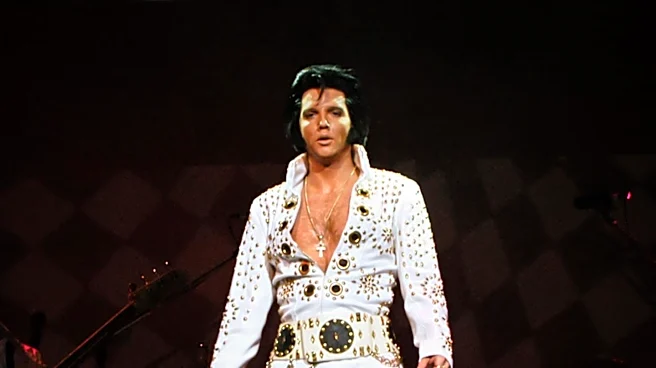
Elvis Presley Enterprises, along with other rights holders, has filed a lawsuit against the AI music generator Suno. The plaintiffs allege that Suno unlawfully uses Elvis Presley's name, image, likeness, and directly infringes on copyrighted works. The lawsuit,
filed in the U.S. District Court for the Northern District of California, claims that Suno trained its AI models on copyrighted materials without authorization and allows users to generate songs that mimic Presley's distinctive voice. The plaintiffs assert that Suno's actions violate Tennessee's Ensuring Likeness, Voice, and Image Security (ELVIS) Act, which extends protection against unauthorized use of a person's likeness to include their voice. Additionally, the lawsuit accuses Suno of direct copyright infringement on an unprecedented scale. The plaintiffs provided nearly 50 recorded examples of what they claim are instances of Suno infringing on Presley's likeness and copyrights, despite Suno's public statements denying such capabilities. A second group of plaintiffs, controlling rights to hundreds of other songs, including Chubby Checker's 'Let's Twist Again,' also provided examples of infringement, bringing the total alleged infringed works to 859.
Why It's Important?
This lawsuit highlights the escalating legal challenges facing AI music generation platforms regarding intellectual property rights and the unauthorized use of artists' likenesses. The case could set a significant precedent for how AI models are trained and how they can utilize existing copyrighted material and vocal styles. The invocation of Tennessee's ELVIS Act underscores a growing legal framework aimed at protecting individual artists' voices and images in the age of AI. A ruling in favor of the plaintiffs could lead to substantial financial penalties for Suno and potentially force AI music generators to fundamentally alter their training methodologies and output controls. Conversely, if Suno prevails, it could embolden AI developers to continue leveraging vast datasets, potentially leading to more widespread use of AI-generated content that mimics established artists. The outcome will significantly impact the music industry, influencing licensing agreements, copyright enforcement, and the future development of AI in creative fields, affecting artists, record labels, and technology companies alike.
What's Next?
The plaintiffs are seeking an injunction to prohibit Suno from further infringement, an order for Suno to destroy all unauthorized copies of copyrighted works, including those in its training data, and damages for both plaintiff groups. Suno has not yet publicly responded to the lawsuit. The legal proceedings will likely involve extensive discovery regarding Suno's AI training data and its generation processes. The court's decision will be closely watched by stakeholders across the music and technology industries, as it could shape future legislation and industry standards for AI-generated content. This case is part of a broader trend of copyright infringement lawsuits against AI companies, indicating a growing legal battleground over intellectual property in the AI era. The resolution of this case could influence how other AI music platforms operate and how artists protect their creative works and identities from unauthorized AI replication.
Beyond the Headlines
This lawsuit delves into the complex ethical and legal questions surrounding AI's ability to replicate human creativity and identity. The core issue extends beyond mere copyright infringement to the very essence of an artist's unique persona and legacy. The plaintiffs' argument that Suno 'stole' the 'humanity, history, despair and triumph' of Elvis Presley's identity raises profound questions about the commodification of artistic essence by AI. This case could force a re-evaluation of what constitutes 'originality' and 'authorship' in the digital age, especially when AI can generate content indistinguishable from human-created works. It also highlights the tension between technological innovation and the protection of individual rights, potentially leading to a redefinition of intellectual property laws to address the unique challenges posed by advanced AI. The outcome may influence public perception of AI in creative industries, fostering debates about authenticity, artistic integrity, and the future role of human creators.