






What's Happening?
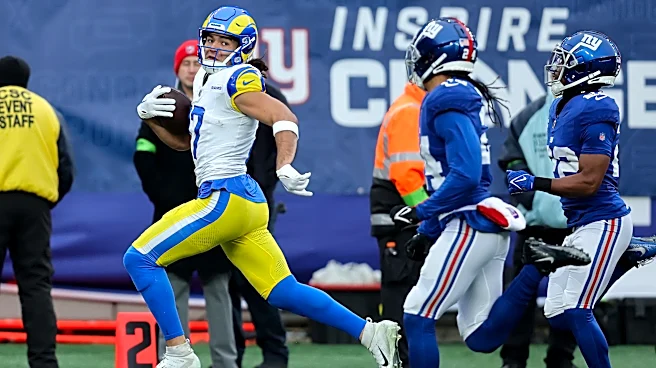
Former NRL player Jamil Hopoate has reportedly been arrested following an incident on Sydney's Northern Beaches. Reports indicate that Hopoate, 31, was arrested after allegedly crashing into a parked car and subsequently returned a positive roadside breath
test. This incident marks another chapter in Hopoate's troubled post-football life. His playing career included stints with the Parramatta Eels, Manly Sea Eagles, and a debut with the Brisbane Broncos in 2020. His career was previously interrupted by behavioral issues and a three-year prison sentence for involvement in an attempted cocaine importation, from which he was released in 2024.
Why It's Important?
While this incident occurred in Australia, it highlights broader issues relevant to professional athletes globally, including in the U.S., regarding post-career challenges and personal conduct. The struggles faced by former athletes, such as managing public scrutiny, financial pressures, and personal well-being after their playing days, are universal. This story serves as a cautionary tale about the importance of support systems and mental health resources for athletes transitioning out of professional sports. For U.S. sports organizations, it underscores the need for comprehensive programs that address not only the physical but also the psychological and social aspects of athletes' lives, both during and after their careers, to prevent similar incidents and ensure their well-being.
What's Next?
Further details regarding the reported arrest and any potential charges against Jamil Hopoate are yet to emerge. The legal process will determine the consequences of this alleged incident. For Hopoate, this could lead to additional legal repercussions and further challenges in his personal life. More broadly, this event may reignite discussions within sports communities, including those in the U.S., about the responsibilities of athletes as public figures and the ongoing need for support mechanisms for former players. It could also prompt sports leagues to review and enhance their athlete welfare programs, focusing on post-career transition and addressing issues such as substance abuse and mental health.
Beyond the Headlines
This incident delves into the deeper societal implications of celebrity and the pressures faced by individuals who have been in the public eye, particularly in sports. The narrative of athletes struggling post-career is a recurring theme, touching upon issues of identity, mental health, and the availability of adequate support structures. For U.S. society, it prompts reflection on how we treat and support our sports heroes once their playing days are over. It also raises ethical questions about personal accountability versus systemic failures in providing comprehensive care for athletes. The long-term shift could involve a greater emphasis on holistic athlete development that extends beyond on-field performance to include life skills, financial literacy, and psychological support, aiming to prevent such public downfalls.