








What's Happening?
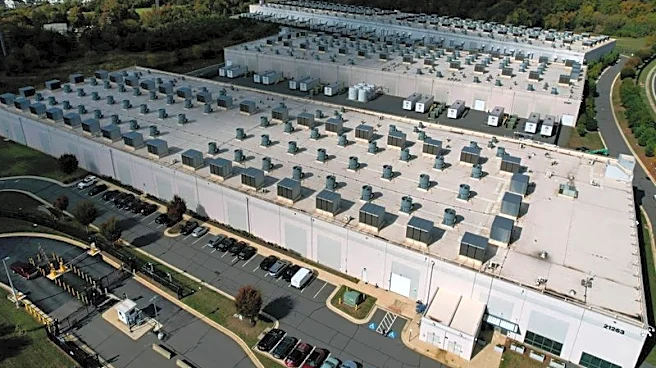
The surge in investment in data centers, primarily to support artificial intelligence, is significantly impacting inflation in the United States. This year, investments in data centers are expected to exceed $700 billion, driven by major tech companies
like Alphabet, Amazon, Meta Platforms, and Microsoft. This massive spending has led to increased costs for memory chips and computer processors, which are essential for these data centers. As a result, consumers are experiencing higher prices for electronics such as laptops, smartphones, and video game consoles. Additionally, the demand for electricity by these data centers is contributing to rising electricity prices. Companies like Apple and Microsoft have already announced price hikes for their products, with Apple increasing the cost of its laptops and iPads by 15% to 25%. Economists predict that this trend will continue to push inflation upwards, potentially prompting the Federal Reserve to raise interest rates to manage the economic impact.
Why It's Important?
The ongoing investment in AI infrastructure is a double-edged sword for the U.S. economy. On one hand, it signifies technological advancement and potential growth in the tech sector. On the other hand, it exacerbates inflationary pressures, affecting consumer purchasing power and increasing the cost of living. The Federal Reserve may be compelled to raise interest rates to curb inflation, which could lead to higher borrowing costs for consumers and businesses. This situation highlights the complex interplay between technological progress and economic stability, as the benefits of AI advancements are weighed against the immediate financial challenges they pose to consumers.
What's Next?
As the Federal Reserve monitors inflation trends, particularly those influenced by AI investments, it may decide to adjust interest rates to stabilize the economy. The upcoming inflation report will be crucial in determining the central bank's next steps. Meanwhile, consumers and businesses will need to adapt to the rising costs of electronics and electricity. Tech companies may continue to adjust their pricing strategies in response to component shortages and increased production costs. The broader economic implications will depend on how quickly the supply chain can adapt to the heightened demand for semiconductors and other critical components.