



What's Happening?
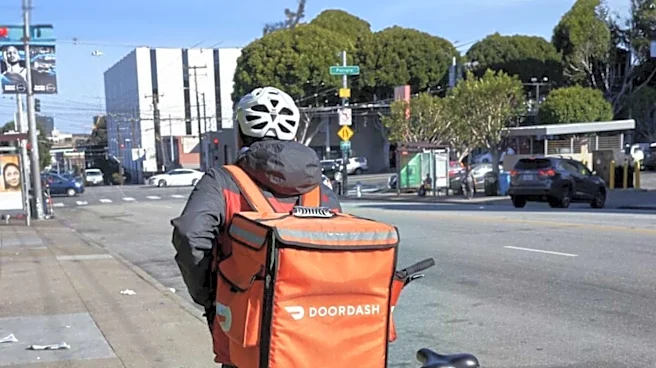
Costco has significantly expanded its same-day delivery network in the U.S. by partnering with DoorDash and Uber. This collaboration allows Costco members to order groceries, dry goods, household essentials, and other products through the DoorDash app
for fast delivery from local stores. The U.S. launch with DoorDash builds upon existing relationships in Australia, New Zealand, Sweden, Iceland, and Puerto Rico. Similarly, Uber has expanded its partnership with Costco, making nearly 600 Costco locations available on the Uber Eats app across 47 states, up from 17. This move provides customers with both on-demand and scheduled delivery options. DoorDash, primarily known for restaurant food delivery, has been actively expanding its retail delivery offerings since 2022, now serving eight of the ten largest food retailers in North America. This expansion also includes partnerships with other retailers like Skims, The Gap, and Gap Factory, offering ultra-fast delivery, often within an hour.
Why It's Important?
This expansion is crucial for Costco as it aims to boost its e-commerce sales and compete more effectively with major retailers like Walmart and Target. By leveraging DoorDash and Uber's extensive gig driver networks, Costco can offer ultra-fast delivery without investing in its own delivery infrastructure, thereby reducing operational costs and complexities. For DoorDash and Uber, these partnerships solidify their positions in the rapidly evolving parcel delivery market, allowing them to diversify beyond food delivery into general retail. This increased competition among delivery platforms, including Instacart, is expected to drive down fees and improve service speed, benefiting consumers. The move also highlights a broader trend in the retail sector where traditional brick-and-mortar stores are increasingly relying on third-party delivery services to meet growing consumer demand for convenience and speed in online shopping.
What's Next?
The expanded partnerships are expected to lead to increased online sales for Costco and further integrate DoorDash and Uber into the daily shopping habits of consumers across the U.S. The intensified competition among delivery platforms for Costco's business could result in more aggressive pricing strategies and service enhancements to attract and retain customers. Retailers not yet offering similar delivery options may feel pressure to adopt comparable strategies to remain competitive in the e-commerce landscape. Furthermore, the success of these partnerships could encourage DoorDash and Uber to pursue similar agreements with other large retailers, further transforming the parcel delivery market and potentially impacting traditional carriers like FedEx and UPS. Consumers can anticipate more widespread availability of ultra-fast delivery services for a broader range of products.
Beyond the Headlines
This development signifies a fundamental shift in how retail operates, moving towards a model where physical stores serve as fulfillment centers for rapid online deliveries. It underscores the growing importance of the 'last mile' in logistics and the increasing reliance on the gig economy to meet consumer expectations for instant gratification. The partnerships also raise questions about the future of traditional retail, as the convenience of home delivery could alter shopping habits and potentially reduce foot traffic in stores. Moreover, the reliance on third-party platforms like DoorDash and Uber for delivery services could lead to discussions about data privacy, labor practices for gig workers, and the environmental impact of increased delivery vehicle traffic. This trend also highlights the strategic advantage for companies that can adapt quickly to technological advancements and changing consumer demands in the digital age.