






What's Happening?
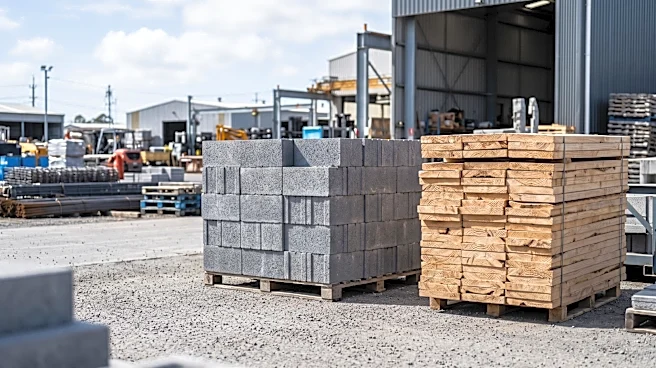
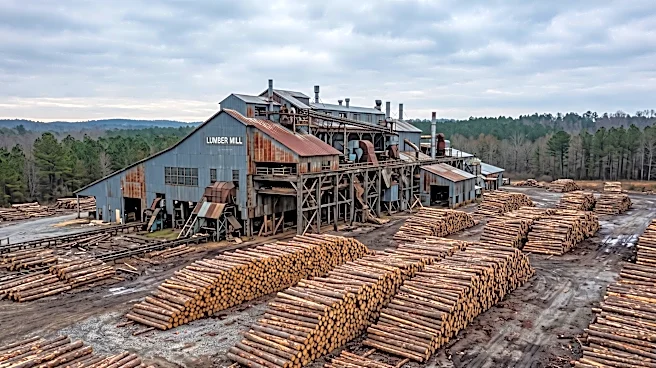
Construction material suppliers in North Central and Northeast Florida encounter specific insurance and risk management issues, as detailed by McGriff-Williams Insurance. These businesses, which include lumber yards, block and concrete suppliers, and building
material distributors, act as intermediaries between manufacturers and contractors. Their daily operations involve product claims, deliveries to job sites, forklift and yard incidents, managing large and fluctuating inventory values, and ensuring timely payments from contractors. Product liability is a significant concern, as suppliers are often named in lawsuits alongside manufacturers and contractors if a product fails. Additionally, if a supplier installs what they sell, that work is classified as construction, subjecting them to specific insurance and workers' compensation rules. Florida's workers' compensation law generally requires coverage for businesses with four or more employees, but the 'one-employee construction rule' can apply to material suppliers if they perform installation work.
Why It's Important?
The unique risks faced by construction material suppliers in Florida highlight critical considerations for the broader construction industry and its supply chain. Inadequate insurance coverage or poor risk management practices can lead to substantial financial liabilities, impacting business continuity and profitability. The potential for product claims, delivery-related accidents, and workplace injuries necessitates comprehensive insurance policies, including general liability, commercial auto, and workers' compensation. Furthermore, the complexities of Florida's construction lien law mean suppliers must diligently track deadlines to preserve their rights to payment, which is crucial for cash flow and financial stability. Understanding these specific challenges is vital for suppliers to protect their assets, maintain operational efficiency, and ensure compliance with state regulations, ultimately contributing to the stability of the construction sector.
What's Next?
Construction material suppliers in Florida are advised to regularly review their insurance policies and risk management strategies. This includes ensuring adequate coverage for product liability, auto claims, and workers' compensation, especially if their operations involve installation services. They should also prioritize training and evaluating forklift operators, implementing safety protocols for deliveries, and accurately reporting inventory values, particularly before storm seasons. Adherence to Florida's construction lien law, including serving timely 'notice to owner' documents, is essential for securing payments. Consulting with insurance professionals and legal counsel is recommended to navigate the intricacies of insurance requirements and lien rights, ensuring businesses are well-protected against potential liabilities and financial losses.
Beyond the Headlines
The detailed risks faced by construction material suppliers underscore the interconnectedness and vulnerability within the construction ecosystem. A failure at any point in the supply chain, whether due to product defects, delivery mishaps, or financial disputes, can have ripple effects on contractors, developers, and ultimately, project timelines and costs. This situation also highlights the increasing legal and regulatory scrutiny on all entities involved in construction, pushing for greater accountability and risk mitigation. The emphasis on specific insurance types and legal compliance reflects a maturing industry where risk management is no longer an afterthought but a core operational imperative. This trend could lead to higher insurance premiums and more stringent contractual requirements across the construction supply chain.