




What's Happening?
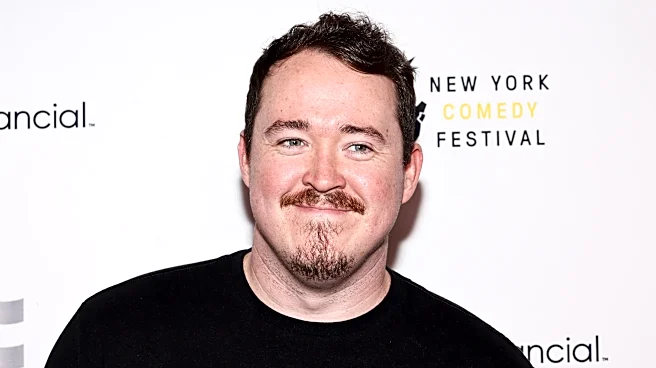
Comedian Shane Gillis has issued a statement following the publication of a personal essay by his ex-girlfriend, content creator Grace Brassel. Brassel's essay, published in The Cut, details her year-long relationship with Gillis, describing it as tumultuous
and marked by alleged isolation and infidelity. Gillis, in a statement to TheWrap, acknowledged the relationship, stating, “Grace and I had some good times together. Breakups are tough, and I wish her the best.” Brassel's essay claims that Gillis frequently made cruel remarks, which he would then dismiss as jokes, and that he would withhold affection as a form of punishment. She also alleged that Gillis routinely used derogatory terms for women and dictated her attire. The essay recounts Brassel quitting her job at Gillis's encouragement, leading to her feeling isolated and becoming a 'stay-at-home girlfriend' with perceived expectations for domestic duties. The relationship reportedly deteriorated further after they moved to Austin, culminating in their split after Brassel discovered explicit messages on Gillis's phone from another woman.
Why It's Important?
This development is significant as it brings personal conduct into the public discourse surrounding a prominent comedian. For Shane Gillis, who has recently gained increased visibility, such allegations can impact his public image and career trajectory. The essay by Grace Brassel highlights broader issues concerning power dynamics in relationships, emotional manipulation, and the challenges individuals face when dating public figures. It also touches upon the potential for fans to engage in harassment, as Brassel claims to have experienced after the breakup. The narrative contributes to ongoing conversations about accountability for public figures and the impact of their private lives on their professional standing. For content creators like Brassel, sharing personal experiences can be a way to reclaim their narrative and shed light on difficult situations, potentially resonating with others who have faced similar challenges.
What's Next?
In the immediate future, public reaction to both Brassel's essay and Gillis's brief response will likely continue to unfold across social media and entertainment news outlets. Gillis's career, particularly his upcoming projects and public appearances, may face increased scrutiny. There could be further discussions within the comedy community regarding the behavior of performers and the expectations placed upon them. Brassel's essay may also encourage other individuals to share their experiences, contributing to a broader dialogue about relationships with public figures. The incident could also prompt a re-evaluation of how the entertainment industry addresses allegations of misconduct, particularly those that emerge from personal relationships rather than professional settings. The long-term impact on Gillis's career will depend on how he navigates this public scrutiny and whether further details or responses emerge from either party.
Beyond the Headlines
Beyond the immediate news cycle, this story touches on deeper societal implications regarding the intersection of personal relationships and public personas. It raises questions about the responsibility of public figures to maintain ethical conduct in their private lives and how that influences public perception. The essay also highlights the often-unseen emotional labor and sacrifices made by partners of individuals in demanding careers, particularly when one partner is encouraged to forgo their own professional pursuits. Furthermore, the alleged fan harassment experienced by Brassel underscores the darker side of celebrity culture, where public figures' personal lives become fodder for intense public scrutiny and, at times, aggressive behavior from their supporters. This incident could serve as a case study in the ongoing debate about privacy, accountability, and the evolving dynamics of relationships in the digital age, especially when one party holds significant public influence.