





What's Happening?
The 1988 horror film 'Child's Play' is being revisited and celebrated for its enduring cult following and significant impact on the horror genre. The movie, which spawned a franchise including six sequels, a TV series, merchandise, novels, comic books,
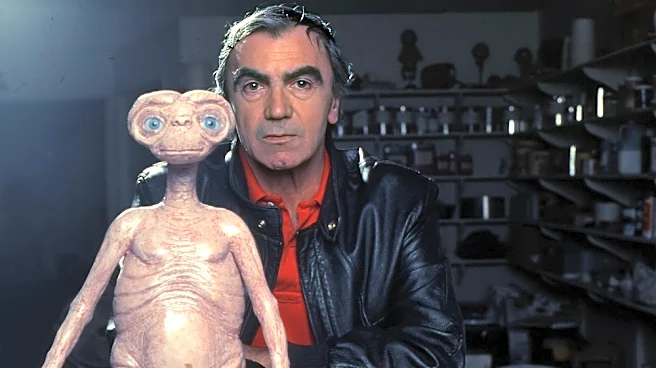
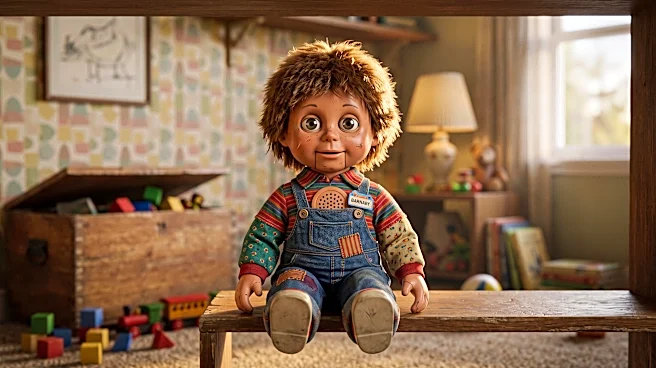
a video game, and a reboot, centers on the character of Chucky, a doll possessed by the soul of dying murderer Charles Lee Ray. After Karen Barclay buys the doll for her son, Andy, Chucky begins a killing spree. Andy's attempts to warn adults are met with disbelief, leading to his institutionalization. The film's success is attributed to its ability to balance genuine suspense with dark humor, a unique approach for its time. A key element of its lasting appeal is the voice acting of Brad Dourif, who gave Chucky his distinctive, foul-tempered personality. The movie also achieved a technical feat for 1988 by convincingly bringing a 29-inch doll to life through a blend of animatronics, puppet work, and stunt performers. Despite some initial negative test screenings, 'Child's Play' became a commercial success and continues to be praised by modern horror fans for holding up well against other late 1980s slashers.
Why It's Important?
The enduring popularity of 'Child's Play' highlights several important aspects of the entertainment industry and cultural impact of horror films. Its transformation into a multi-platform franchise demonstrates the significant commercial potential of successful horror concepts, extending beyond cinema into various forms of media and merchandise. The film's innovative use of animatronics and puppetry for its time showcases the technical advancements in filmmaking and how practical effects can contribute to a film's lasting appeal and realism, even decades later. Brad Dourif's iconic voice performance as Chucky illustrates the critical role of voice acting in character development and how it can elevate a character to legendary status within popular culture. Furthermore, the movie's ability to blend psychological horror with dark humor set a precedent for future horror films, influencing genre conventions. Its continued relevance among modern horror fans underscores the timeless appeal of well-crafted horror narratives and characters, proving that a compelling story and effective execution can transcend generational shifts in audience preferences and technological advancements in filmmaking.
What's Next?
The 'Child's Play' franchise is likely to continue its expansion, building on its established success and cult following. Given its history of sequels, a TV series, and a reboot, further iterations in various media formats are probable. The ongoing appreciation from modern horror fans suggests a sustained audience for new content, whether it be additional films, television seasons, or other forms of storytelling. The return of Brad Dourif as Chucky's voice in the TV series and later entries of the original franchise indicates a commitment to maintaining key elements that resonate with the fanbase. This strategy ensures continuity and appeals to both long-time enthusiasts and new viewers. The franchise's ability to adapt and evolve, as seen with its transition from a more grounded psychological thriller to horror-comedies in later installments, suggests a willingness to explore different tones and approaches, which could lead to diverse future projects. The continued availability of the original film on streaming platforms also ensures its accessibility and ongoing discovery by new audiences.
Beyond the Headlines
Beyond its entertainment value, 'Child's Play' taps into deeper psychological and cultural anxieties. The core premise of a seemingly innocent child's toy becoming a malevolent killer exploits the universal fear of corrupted innocence and the betrayal of trust. This subversion of a childhood symbol creates a potent sense of unease, resonating with audiences on a primal level. The film also explores themes of disbelief and the struggle of a child to be heard by adults, as Andy's warnings are dismissed, leading to his institutionalization. This narrative element can be seen as a metaphor for how society often dismisses or misunderstands the experiences of children. Culturally, Chucky has become an iconic figure, representing the darker side of consumerism and the potential for everyday objects to harbor sinister intentions. The franchise's evolution into horror-comedy also reflects a societal coping mechanism, using humor to confront and defuse terrifying concepts. The enduring appeal of 'Child's Play' thus speaks to its ability to tap into fundamental human fears and anxieties, making it more than just a slasher film but a cultural touchstone.