




What's Happening?
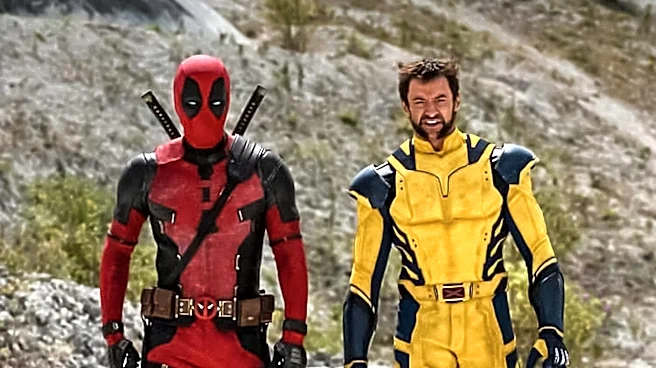
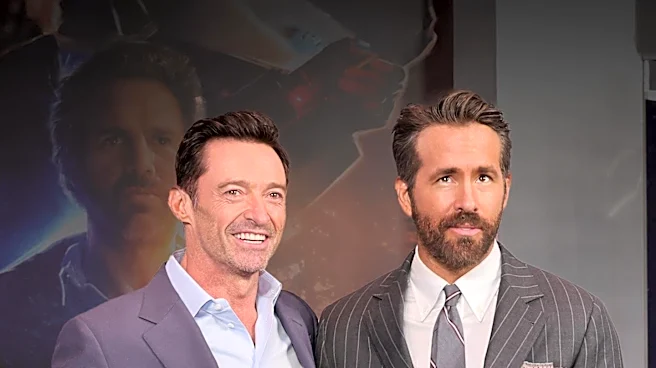
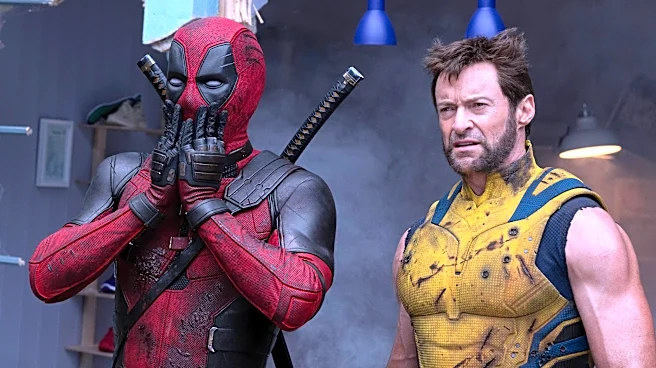
Actors Ryan Reynolds and Hugh Jackman are listed among 10 writers credited for Marvel's upcoming film, 'Avengers: Doomsday'. This development has sparked considerable speculation regarding the potential appearance of their respective characters, Deadpool
and Wolverine, in the movie. While their involvement in the writing process is confirmed, it does not definitively guarantee that either actor will reprise their superhero roles on screen. The official screenplay credits for 'Avengers: Doomsday' are attributed to Stephen McFeely and Michael Waldron, with Reynolds and Jackman receiving additional literary material credits. The nature and extent of their contributions to the script remain undisclosed by Marvel, leading to ongoing discussions among fans and industry observers about the film's potential plot and character roster. The inclusion of such prominent actors in the writing team for a major Marvel Cinematic Universe installment is an unusual but intriguing move, suggesting a collaborative approach to the film's development.
Why It's Important?
The writing credits for Ryan Reynolds and Hugh Jackman on 'Avengers: Doomsday' carry significant implications for the Marvel Cinematic Universe (MCU) and its future narrative direction. Their involvement fuels speculation about the integration of characters like Deadpool and Wolverine, previously associated with Fox's X-Men universe, into the main MCU storyline. This could signal a more direct and substantial crossover than previously anticipated, potentially altering the tone and scope of future Avengers films. For fans, it raises expectations for character interactions and plotlines that have been long-desired. From a business perspective, the inclusion of these popular characters could significantly boost box office revenue and expand the MCU's appeal to a broader audience. It also highlights a potential shift in how Marvel utilizes its talent, allowing actors with deep character understanding to contribute creatively beyond their on-screen performances, which could influence future production models in Hollywood.
What's Next?
The immediate next step will likely involve Marvel's official announcements regarding the cast and plot details for 'Avengers: Doomsday'. As the film's release date approaches, further clarification on the roles of Deadpool and Wolverine, if any, will be highly anticipated. Industry analysts will be watching to see if this writing credit translates into on-screen appearances for Reynolds and Jackman, and how their characters might be integrated into the existing MCU narrative. The reaction from fans and critics to any potential announcements will also be crucial, as it could influence future creative decisions within the franchise. Additionally, this development might set a precedent for other actors to seek writing credits or creative input on major studio productions, potentially altering the traditional roles within film development. The ongoing buzz generated by these credits will likely continue until Marvel provides definitive answers about the film's final lineup and story.
Beyond the Headlines
Beyond the immediate speculation about character appearances, the writing credits for Ryan Reynolds and Hugh Jackman on 'Avengers: Doomsday' could signify a deeper strategic move by Marvel. It might indicate a more collaborative approach to filmmaking, where established actors with a strong understanding of their characters are given a voice in shaping the narrative. This could lead to more authentic character portrayals and storylines that resonate more deeply with audiences. Ethically, it raises questions about the recognition of creative contributions in Hollywood, especially when actors are involved in writing. Legally, it could impact future contract negotiations for actors seeking more creative control. Culturally, the potential integration of Deadpool and Wolverine into the MCU represents a significant milestone in cinematic universe building, merging previously separate franchises and expanding the narrative possibilities. This could set a new standard for how studios manage intellectual property and talent in an increasingly interconnected entertainment landscape.