





What's Happening?
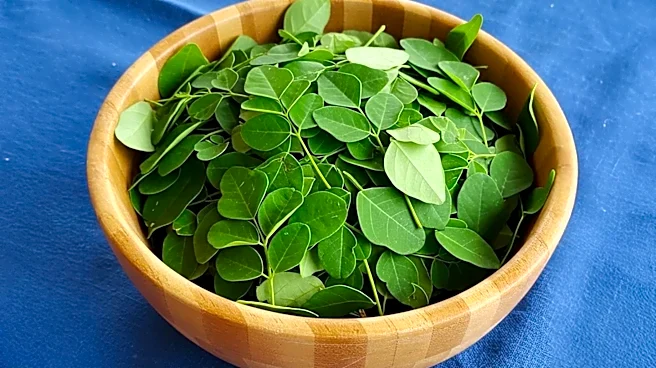
Moringa leaves, often overlooked in favor of the more commonly consumed drumstick pods, are being recognized as an incredibly nutrient-dense superfood, particularly beneficial for Indian diets. These leaves offer significantly higher concentrations of essential
vitamins and minerals compared to many well-known healthy foods. Specifically, moringa leaves contain seven times more Vitamin C than oranges, fifteen times more potassium than bananas, ten times more Vitamin A than carrots, twenty-five times more iron than spinach, and seventeen times more calcium than milk. Beyond these impressive numbers, moringa also provides a robust source of plant-based iron and protein, including all nine essential amino acids, making it a complete protein—a rarity in the plant kingdom. It is also rich in powerful antioxidants like quercetin, chlorogenic acid, and beta-carotene, which combat oxidative stress and inflammation.
Why It's Important?
For the U.S. market, particularly within communities with Indian dietary preferences or those seeking diverse plant-based nutrition, the recognition of moringa leaves as a superfood presents significant opportunities. As Americans increasingly adopt plant-based diets and seek nutrient-dense foods, moringa offers an accessible and potent option. Its high iron and protein content can help address common nutritional deficiencies, especially among vegetarians and vegans. The presence of antioxidants and anti-inflammatory compounds aligns with growing consumer interest in foods that support overall health and disease prevention. This could lead to increased demand for moringa products, from fresh leaves to powders, influencing agricultural practices and product development in the health food sector. Furthermore, it highlights the value of traditional foods in addressing modern nutritional needs.
What's Next?
Consumers can easily integrate moringa into their diets by adding fresh leaves to dals, sabzis, or chutneys, or by mixing 5-10 grams of dried powder into roti dough, smoothies, or even morning chai. The availability of moringa products in the U.S. is likely to expand, with a focus on organic and ethically sourced options. Further research is anticipated to solidify the evidence for moringa's benefits in areas like blood sugar and cholesterol reduction, which are currently supported by small human trials and animal studies. As scientific understanding grows, moringa could become a more prominent ingredient in functional foods and dietary supplements, with clear guidelines on optimal dosages and preparation methods to maximize its health benefits. It is crucial for consumers to source moringa from reputable suppliers to avoid contamination.
Beyond the Headlines
The re-evaluation of moringa leaves as a superfood underscores a broader trend of recognizing the nutritional value of indigenous and traditional foods. This shift challenges the dominance of Western-centric superfood narratives and promotes biodiversity in dietary choices. Ethically, it encourages fair trade practices and supports local economies in regions where moringa is traditionally cultivated. Culturally, it bridges traditional wisdom with modern scientific validation, fostering a deeper appreciation for diverse food systems. The affordability and accessibility of moringa, especially compared to some exotic superfoods, make it a powerful tool for addressing nutritional disparities and promoting health equity globally, including within diverse communities in the U.S. It also highlights the potential for sustainable agriculture to provide highly nutritious food sources with minimal environmental impact.