





What's Happening?
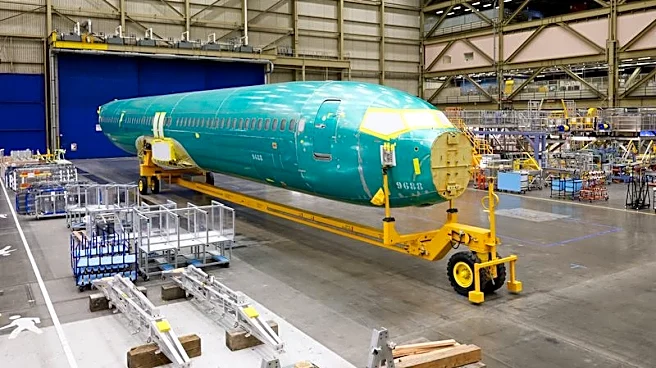
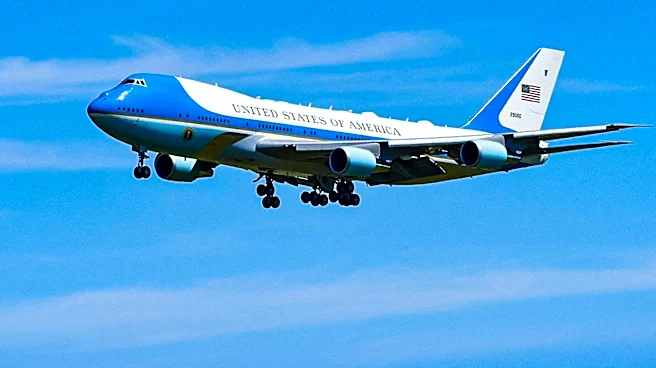
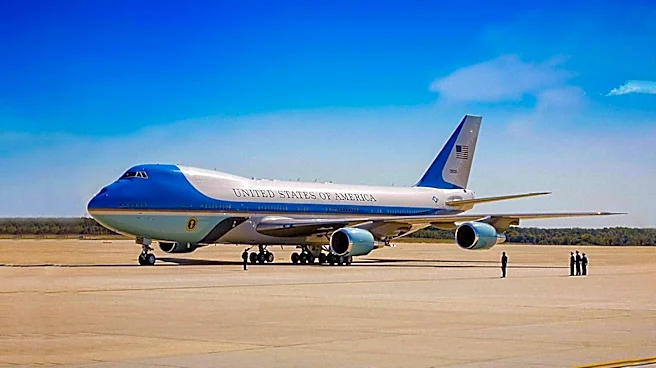
Boeing has reported a $280 million loss on the VC-25B Air Force One program, bringing total losses to over $3 billion. The program, which involves converting two aircraft for presidential use, is significantly behind schedule and over budget. Boeing is working
under a firm, fixed-price contract and has absorbed these costs to keep the project on track for a 2028 delivery. The U.S. Air Force has also increased its funding, with a $15.5 million contract modification for communications systems. The Government Accountability Office noted that the program's estimated acquisition cost has risen from $6.263 billion to $6.608 billion.
Why It's Important?
The financial losses and delays in the Air Force One program highlight the challenges Boeing faces in managing large-scale, fixed-price defense contracts. These setbacks could impact Boeing's financial health and its reputation in the defense sector. The delays also affect the U.S. government's plans to replace aging presidential aircraft, potentially impacting national security and presidential logistics. The situation underscores the complexities and risks associated with high-profile government contracts, which can have significant financial and operational implications for contractors like Boeing.
What's Next?
Boeing plans to deliver the first VC-25B aircraft by 2028, but the timeline remains uncertain due to ongoing challenges. The company is investing additional resources to support the build and test schedule, aiming to mitigate risks during certification and flight tests. The Air Force will continue to use the older VC-25A aircraft until the new planes are operational. The program's progress will be closely monitored by stakeholders, including the U.S. government and Boeing's investors, as further delays or cost overruns could lead to additional scrutiny and financial implications.