






What's Happening?
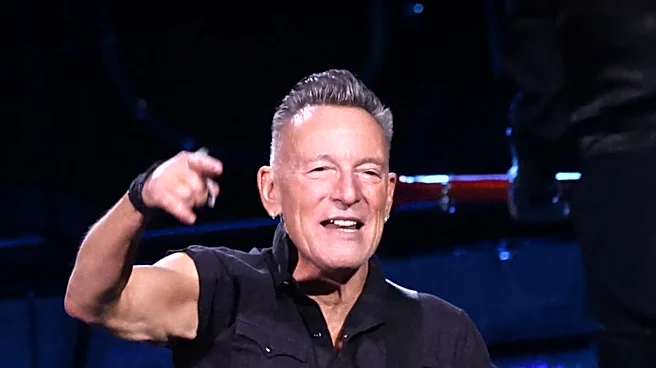
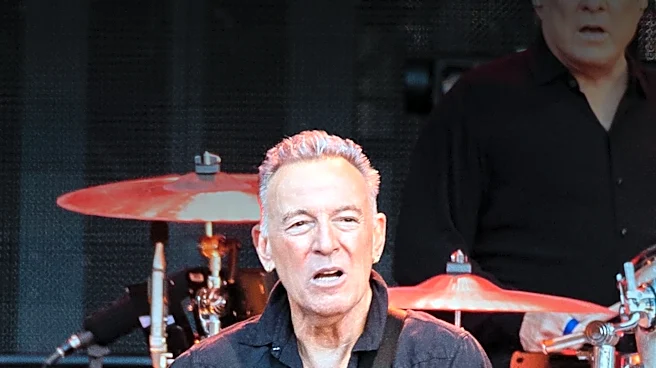
Pete Townshend, guitarist for The Who, recently shared his perspective in an interview with Classic Album Review regarding which bands filled the void left by The Who after their split in the early 1980s. Townshend stated that Bruce Springsteen, Queen,
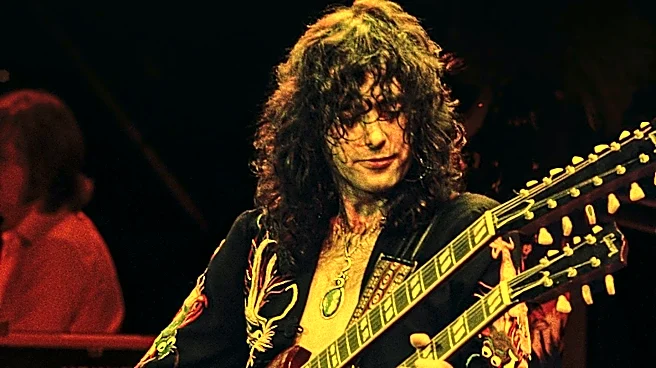
and U2 stepped in to take over the stadium audience that The Who had cultivated. He noted that The Who embarked on a massive farewell tour and disbanded between 1982 and 1983. Townshend believes these three acts continued the legacy of stadium-filling music, acknowledging that he had prepared this audience with anthemic songs like 'Baba O’Reily,' 'Won’t Get Fooled Again,' and large versions of 'My Generation.' Despite feeling a slight sting, Townshend expressed pride, as these musicians consistently cited him as an influence, leading to friendships with each of them. He also admitted to previously misjudging Led Zeppelin, attributing his harsh opinion to competitive feelings at the time.
Why It's Important?
This revelation from Pete Townshend offers a unique insight into the evolution of stadium rock and the transition of major musical acts in the U.S. and globally. It highlights the significant impact The Who had on shaping the live music experience, particularly in large venues, and how their pioneering efforts created a template for subsequent bands. For music historians and fans, Townshend's comments provide a direct lineage of influence, connecting a foundational rock band like The Who to later giants such as Bruce Springsteen and U2, both of whom have had immense success in the U.S. market. The acknowledgment of mutual respect among these artists underscores the collaborative and influential nature of the music industry, even amidst perceived competition. This perspective helps in understanding the cultural shifts in rock music and the enduring appeal of stadium-sized performances.
What's Next?
While Townshend's comments are retrospective, they could spark renewed interest in the musical connections and influences between these iconic bands. Documentaries, interviews, or retrospective articles might further explore the impact of The Who on Bruce Springsteen, Queen, and U2, potentially leading to new analyses of their respective discographies and live performances. Fans of all four bands may engage in discussions about the stylistic similarities and differences, and how each group adapted the stadium rock format. This could also encourage a re-evaluation of The Who's later career and their role in setting the stage for the next generation of rock legends. The ongoing dialogue among these influential musicians, as evidenced by Townshend's attempts to connect with Jimmy Page, suggests a continued appreciation for their shared musical heritage.
Beyond the Headlines
Townshend's candid admission about his initial competitive feelings towards Led Zeppelin and his subsequent change of heart reveals the complex dynamics within the music industry. It illustrates how personal rivalries and professional competition can evolve into mutual respect and admiration over time. This narrative extends beyond mere musical influence, touching upon themes of artistic growth, humility, and the re-evaluation of past judgments. His experience of transitioning from a rock icon to an editor at Faber & Faber while other bands took over the stadium circuit also highlights the diverse career paths musicians can take and the challenges of maintaining relevance in a constantly shifting industry. The story underscores the idea that even legends can learn and grow, acknowledging the contributions of their peers, regardless of initial perceptions.