






What's Happening?
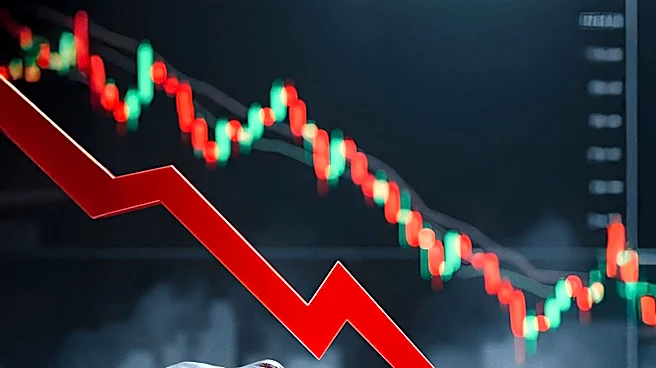
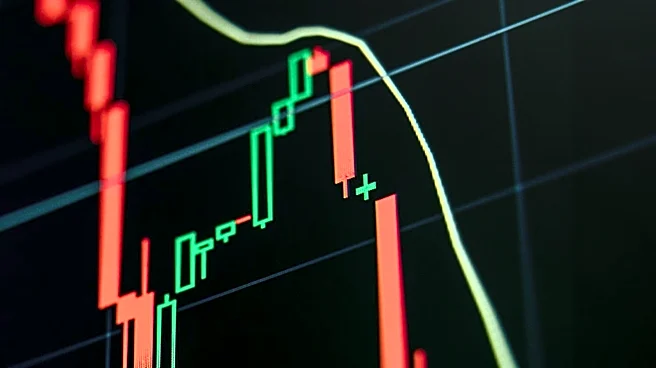
Anthropic, an artificial intelligence company, is facing investor scrutiny after its stock experienced a significant decline following its initial public offering (IPO). Less than a week after its IPO, Anthropic's shares fell 8.5% to $80.21, closing below
its $83 IPO price, and hit a low of $73.85. The stock had opened at $111.50, briefly reaching over $115, and initially commanded a valuation exceeding $2 trillion, which has since dropped to approximately $1.1 trillion. Adding to investor concerns, co-founders Dario and Daniela Amodei each sold roughly $280 million in shares as part of the IPO, totaling $560 million. These sales were made to underwriters at the offering price. According to Yorkville Ives partner Dan Ives, the timing of these executive sales, amidst a 'risk-off' environment for AI stocks and questions about the high cost of AI infrastructure, has negatively impacted investor confidence.
Why It's Important?
This situation is important because it highlights the delicate balance between executive compensation, company valuation, and investor sentiment, particularly in the volatile technology sector. The substantial share sales by Anthropic's co-founders, while legally permissible, have created a perception issue, leading some to question management's confidence in the company's immediate future. This can erode trust, which is crucial for maintaining a stable stock price and attracting long-term investors. Furthermore, the rapid decline in Anthropic's market capitalization from over $2 trillion to $1.1 trillion underscores broader market anxieties about the sustainability of high valuations in the AI industry and the immense costs associated with building AI infrastructure. This event could influence how future AI companies approach their IPOs and how investors evaluate the financial health and leadership commitment of new public tech entities.
What's Next?
In the immediate future, Anthropic's stock performance will be closely watched as the company navigates investor concerns and market volatility. The company will likely need to address the optics of the executive share sales and provide clear communication regarding its financial strategy and path to profitability. Wall Street analysts will continue to scrutinize the enormous costs of building AI infrastructure and the company's ability to translate its technology into sustainable profits. The market's reaction to Anthropic's situation could also influence the broader AI sector, potentially leading to more cautious valuations for other AI companies considering IPOs. Executives at other tech firms might re-evaluate the timing and transparency of their share transactions around public offerings to avoid similar investor backlash. The company's ability to demonstrate strong operational performance and clear revenue growth will be critical in rebuilding investor confidence and stabilizing its stock price.
Beyond the Headlines
The Anthropic scenario delves into the deeper implications of executive behavior during critical financial events like an IPO. While insider selling is a common practice, the scale and timing of the Amodeis' sales, coupled with the immediate stock decline, raise ethical questions about leadership's responsibility to public shareholders. It highlights a potential disconnect between the long-term vision presented to investors and the short-term financial actions of founders. This event could contribute to a broader discussion within the tech industry about 'emotional intelligence' in corporate leadership, as suggested by Dan Ives, and the need for founders to anticipate market reactions to their personal financial decisions. Culturally, it reinforces the narrative of 'get rich quick' associated with tech IPOs, potentially overshadowing the innovative contributions of AI. Legally, while the sales were made to underwriters at the offering price, the incident might prompt a closer look at regulations surrounding executive share dispositions during and immediately after an IPO to ensure greater fairness and transparency for all investors.