







What's Happening?
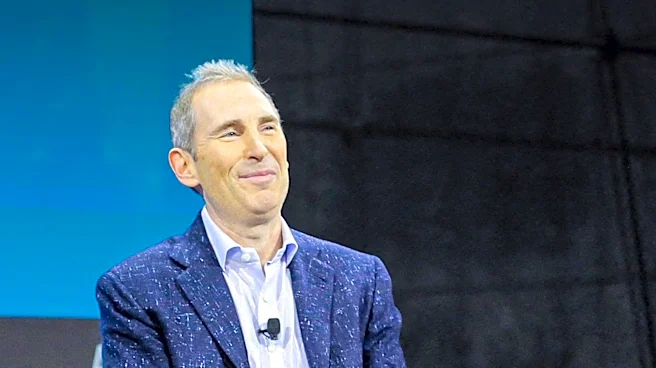
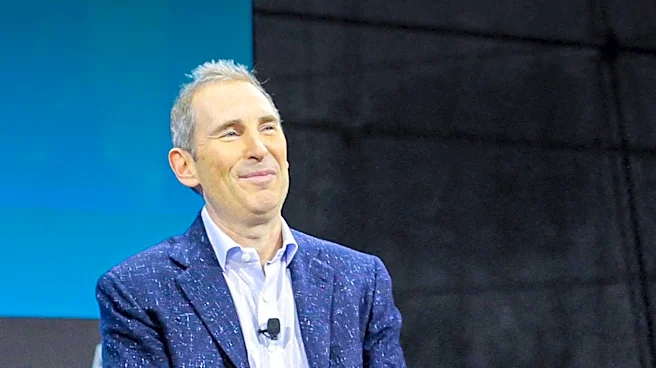
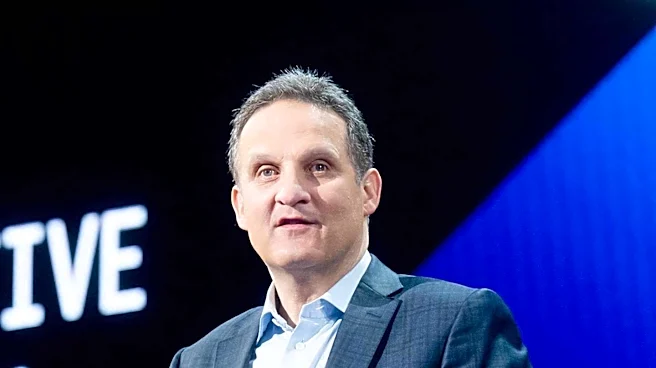
Matt Garman has been appointed as the Chief Executive Officer of Amazon Web Services (AWS), effective June 3, 2024. Garman, who joined Amazon as an intern in 2005, has been with the cloud business for nearly two decades, making him a rare 'AWS lifer'
to ascend to the top leadership role. He is the third CEO of AWS, following Andy Jassy and Adam Selipsky. Garman's career at AWS includes being the first product manager for EC2, leading EC2 product management, and serving as general manager of all AWS compute services. Prior to his CEO appointment, he spent four years leading worldwide sales, marketing, support, and professional services for AWS. His appointment comes after Adam Selipsky's departure, which was described by Amazon CEO Andy Jassy as consistent with an informal plan discussed when Selipsky returned to AWS in 2021. Garman inherits a highly profitable business, with AWS accounting for over 60 percent of Amazon's operating profit in the first nine months of 2024, on a reported $100 billion run rate.
Why It's Important?
Garman's appointment is significant for Amazon and the broader cloud computing industry. AWS is Amazon's primary profit engine, and a stable leadership transition is crucial for maintaining its market dominance. His deep institutional knowledge, having been with AWS since its inception, suggests a continuation of the current strategic direction, which is vital for large enterprise customers like banks, airlines, and governments that prioritize stability. The challenge for Garman will be to defend AWS's lead in the rapidly evolving generative AI market, where competitors like Microsoft and Google are making aggressive moves. His focus on Bedrock, AWS's managed layer for foundation models, and the development of Amazon's own AI assistant, Q, and Trainium chips, will be key to ensuring AWS remains the default cloud provider as AI workloads increase. The success of these initiatives will directly impact Amazon's financial performance and its ability to capitalize on the growing demand for AI infrastructure.
What's Next?
Under Matt Garman's leadership, AWS is expected to continue its focus on providing a stable and secure cloud infrastructure while aggressively pursuing opportunities in generative AI. Garman has indicated that there will not be a massive change in the company's direction, emphasizing stability for customers. He will likely continue to champion AWS's Bedrock strategy, offering a wide range of foundation models from Amazon and third-party firms, rather than focusing on a single flagship chatbot. The company will also likely push its custom silicon, such as Trainium chips, as an alternative to Nvidia's dominance in the AI hardware market. Garman's emphasis on security as 'job zero' suggests a continued commitment to operational excellence and customer trust. His leadership will be closely watched as AWS navigates the competitive landscape of cloud computing and artificial intelligence, with the goal of maintaining its position as a critical utility for businesses worldwide.
Beyond the Headlines
Matt Garman's ascent to CEO of AWS highlights a broader trend within large technology companies: the value of internal talent and deep institutional knowledge. His career trajectory, from intern to CEO, demonstrates Amazon's commitment to developing leaders from within its ranks, particularly for its most critical business units. This internal promotion, as opposed to bringing in an outsider, signals a desire for continuity and a belief that those who have built the system are best equipped to scale it. The challenge of maintaining AWS's dominance in the AI era, while also ensuring its foundational services remain robust, will test Garman's leadership. His focus on customer value, measured by the return on investment for every dollar spent on AWS, reflects a pragmatic approach to innovation. This emphasis on practical utility and operational performance will be crucial as the cloud computing market matures and AI becomes increasingly integrated into enterprise operations, shaping the future of digital infrastructure.