






What's Happening?
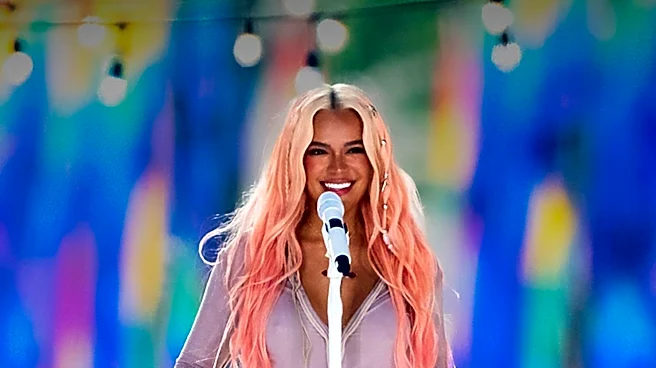
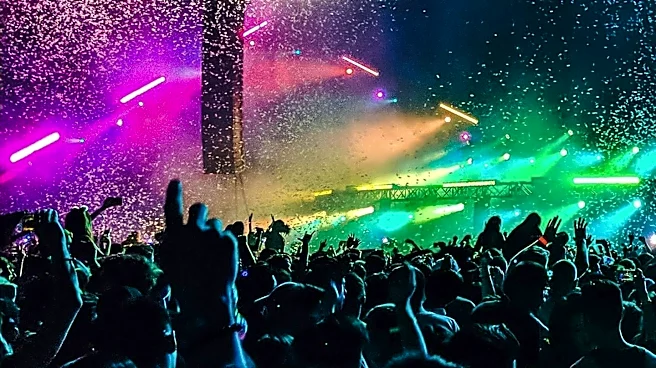
A recent on-stage interaction between Colombian singer Karol G and Puerto Rican rapper Young Miko during a concert in Orlando, Florida, has sparked significant debate on social media. The incident occurred on October 29, 2026, at the Kia Center, where
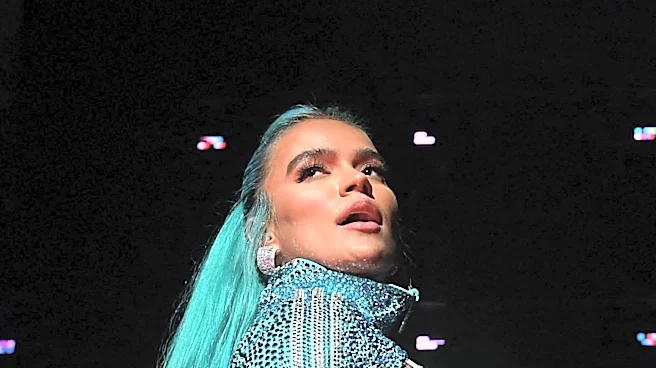
Karol G made a surprise appearance during Young Miko's 'Late Checkout Tour'. During the 'Sin Pausa' segment, a regular feature where Young Miko invites a person from the audience to be serenaded closely, Karol G was the chosen guest. Dressed in jeans, a bomber jacket, and a beanie, Karol G sat in front of Young Miko as the latter performed. The interaction escalated when the two artists danced in close proximity, with Karol G embracing Young Miko and their faces coming within inches, leading many attendees to interpret it as an attempted kiss. Beyond this moment, they also performed their 2023 collaboration 'DISPO' and Karol G's track 'BbY WOW'. The event quickly went viral, drawing criticism regarding the perceived explicit nature of the interaction and accusations of 'queerbaiting' from some social media users. In response, Colombian entrepreneur Yina Calderón publicly defended Karol G, arguing that parents are responsible for their children's upbringing and that the interaction was merely 'two friends dancing'.
Why It's Important?
This incident highlights the ongoing tension between artistic expression, public perception, and social responsibility within the entertainment industry, particularly concerning high-profile Latin artists in the U.S. market. The controversy underscores the differing expectations placed on celebrities, with some segments of the public demanding that artists serve as moral examples, while others advocate for artistic freedom and personal autonomy. The 'queerbaiting' accusation, in particular, reflects a growing scrutiny from LGBTQ+ communities and allies towards artists who may appear to capitalize on queer aesthetics or themes without explicit identification or support for the community. This debate can influence how artists approach their performances and public image, potentially leading to more cautious or, conversely, more defiant artistic choices. For artists like Karol G and Young Miko, who have a significant U.S. and international fanbase, such controversies can impact their brand, fan engagement, and future collaborations, shaping the cultural discourse around gender, sexuality, and performance in mainstream music.
What's Next?
The immediate aftermath of the Orlando incident will likely see continued discussion and debate across social media platforms, with fans and critics further dissecting the interaction and its implications. Artists and their management teams may need to consider how to address such controversies, whether through direct statements, continued artistic choices, or by allowing the conversation to evolve organically. The incident could also influence future collaborations between artists, potentially making them more mindful of how their on-stage chemistry is perceived. For Yina Calderón, her outspoken defense may solidify her image as a controversial but direct figure in Colombian entertainment. More broadly, this event contributes to the ongoing cultural conversation about the boundaries of performance, the role of artists as public figures, and the evolving understanding of identity and representation in popular music.
Beyond the Headlines
The controversy surrounding Karol G and Young Miko's performance delves into deeper societal implications regarding the commodification of sexuality and identity in entertainment. The 'queerbaiting' accusation raises questions about authenticity and representation, particularly for LGBTQ+ audiences who seek genuine visibility rather than what they perceive as performative gestures. This incident also exposes a 'double standard' often applied to male and female artists, as highlighted by Yina Calderón, where similar actions by male performers might be met with less scrutiny. This disparity reflects broader gender biases within the entertainment industry and society at large. Furthermore, the debate touches upon the evolving role of parents in guiding their children's media consumption in an era of pervasive digital content. The incident serves as a microcosm of the ongoing cultural shifts and the challenges artists face in navigating diverse audience expectations while maintaining artistic integrity and personal expression.