







What's Happening?
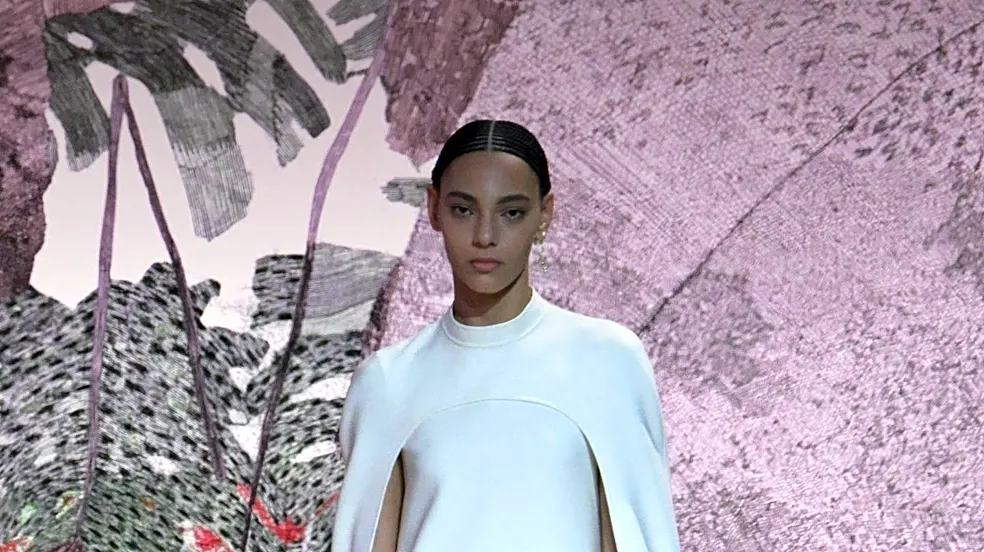
Fashion designer Harris Reed is subtly shifting his aesthetic, moving away from his signature flamboyant silhouettes and vibrant colors towards a more subdued palette dominated by fifty shades of white. This evolution is evident in his latest collection,
which emphasizes construction, material, and the power of the silhouette over overt color. Reed, known for his theatrical designs and dramatic volumes, is now exploring a calmer territory while retaining his flair for the dramatic. The British-American designer's new approach aims to revisit historical silhouettes and ground them more firmly in contemporary reality, reflecting a desire to balance artistic expression with wearability for a growing clientele. This change signifies a move towards the fundamentals of clothing, focusing on how garments function and are appropriated in modern life.
Why It's Important?
This aesthetic shift by Harris Reed is significant for the fashion industry as it reflects a broader trend towards meaning and authenticity in design. In a landscape often driven by rapid trends and maximalism, Reed's move to a more refined and subtle approach could influence other designers to reconsider their creative directions. It highlights a potential market demand for luxury fashion that combines artistic vision with practical wearability, moving beyond pure fantasy. For consumers, this could mean access to high-fashion pieces that are both expressive and adaptable to personal wardrobes. The collaboration with Manolo Blahnik further underscores this evolution, introducing a more classic dimension to Reed's typically extravagant universe, suggesting a blending of different design philosophies to create a more balanced and sophisticated offering.
What's Next?
Harris Reed's continued exploration of this refined aesthetic is likely to influence future collections and collaborations. The focus on material quality, precise construction, and a nuanced color palette suggests a sustained commitment to a more grounded yet still theatrical approach to fashion. This direction could lead to further partnerships with brands that value craftsmanship and classic elegance, similar to his collaboration with Manolo Blahnik. The fashion world will be watching to see how this 'maximalism assagi' (tamed maximalism) evolves and if it sets a new standard for luxury design that balances spectacle with wearability. His work may inspire other designers to seek deeper meaning and authenticity in their creations, potentially shaping future trends in high fashion.
Beyond the Headlines
Beyond the immediate fashion trends, Harris Reed's shift raises deeper questions about the definition of luxury and desirability in contemporary culture. By emphasizing construction and material over overt extravagance, Reed challenges the notion that luxury must always be loud or colorful. This approach suggests a re-evaluation of value, where sophistication is measured not just by exuberance but by mastery of proportions, quality of materials, and the relevance of the creative gesture. It also touches upon the ethical dimension of fashion, as a focus on timeless silhouettes and quality materials can contribute to a more sustainable approach by encouraging investment in pieces that have lasting appeal rather than fleeting trends. This evolution could signify a long-term cultural shift towards appreciating understated elegance and thoughtful design.