
What's Happening?
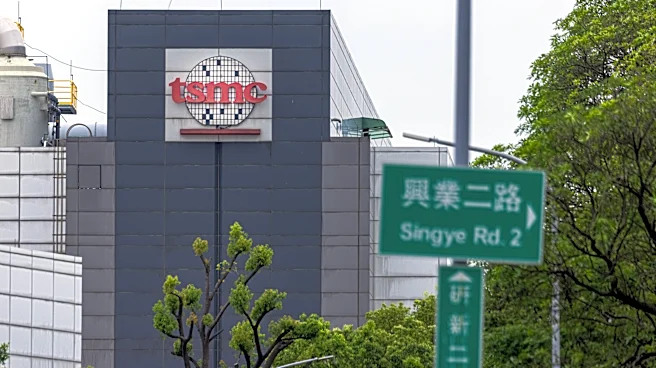
Semiconductor Manufacturing International Corporation (SMIC) has been identified as a significant player in the global semiconductor industry, specifically operating as a foundry. Foundries are companies
that specialize in manufacturing chip designs for other companies, rather than designing and manufacturing their own integrated devices. This positions SMIC alongside other major foundries such as TSMC, Samsung Foundry, and GlobalFoundries. The semiconductor industry is structured as a complex value chain where different companies specialize in various stages, including IP cores, EDA software, chip design, manufacturing (foundries), integrated device manufacturing, equipment, materials, and assembly and test. SMIC's role as a foundry is crucial in this ecosystem, as it provides the manufacturing capabilities for numerous chip designers who outsource their production. This specialization allows for greater efficiency and innovation within the industry, as no single company typically handles all aspects of chip production from design to final product.
Why It's Important?
SMIC's role as a foundry is critical for the broader U.S. technology sector and global supply chains. Many U.S. chip designers, who own the product but outsource manufacturing, rely on foundries like SMIC to bring their innovations to market. This interdependence highlights the globalized nature of semiconductor production, where disruptions in one part of the supply chain can have far-reaching effects. The availability of multiple foundries, including SMIC, contributes to a more diversified and potentially resilient supply chain, reducing over-reliance on a single manufacturer. However, it also underscores geopolitical considerations, as the concentration of manufacturing capabilities in certain regions can create vulnerabilities. For U.S. companies, having access to a range of foundry partners is essential for maintaining competitive advantage and ensuring the continuous supply of critical components for various industries, from consumer electronics to defense.
What's Next?
The semiconductor industry is continuously evolving, with ongoing advancements in manufacturing processes and increasing demand for chips across various sectors. As a key foundry, SMIC will likely continue to play a role in the production of semiconductors for a diverse client base. Future developments in the industry may include further specialization, advancements in packaging technologies like 2.5D and 3D ICs, and responses to geopolitical pressures that could influence supply chain configurations. Companies relying on foundries will continue to assess their manufacturing strategies, potentially diversifying their foundry partners or investing in domestic production capabilities where feasible. The competitive landscape among foundries is expected to remain intense, driven by technological innovation and the need to meet the growing global demand for advanced semiconductors.
Beyond the Headlines
The presence of SMIC as a major foundry highlights the intricate global web of the semiconductor industry, where national interests and technological interdependence often intersect. The ability of companies to design advanced chips in one country and have them manufactured in another underscores the economic benefits of specialization but also raises questions about national security and technological sovereignty. For the U.S., understanding and navigating this complex landscape is crucial for maintaining its leadership in chip design and innovation. The long-term implications involve ongoing debates about reshoring manufacturing, fostering domestic talent, and securing critical supply chains to mitigate risks associated with geopolitical tensions or disruptions. The ethical considerations around technology transfer and intellectual property protection also remain central to these discussions, as companies like SMIC operate within a global framework of competition and collaboration.