



What's Happening?
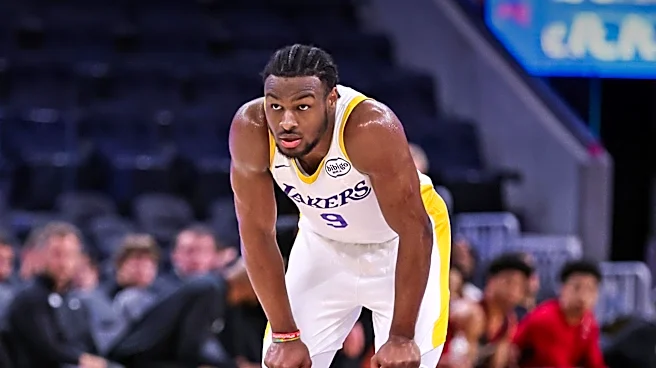
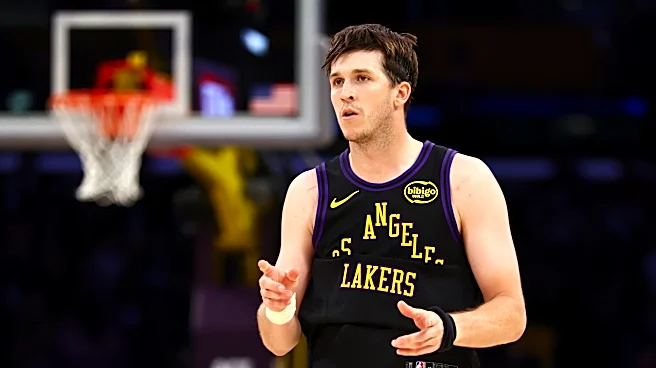
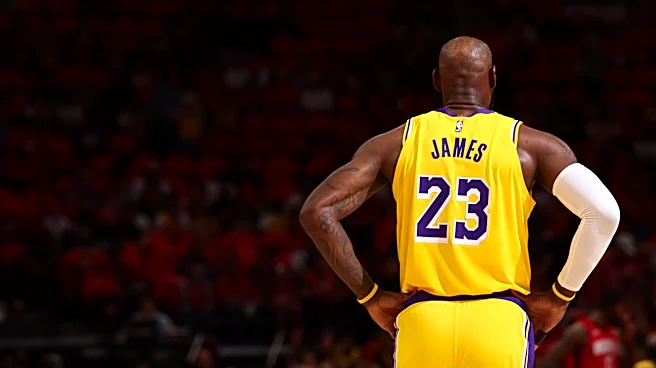
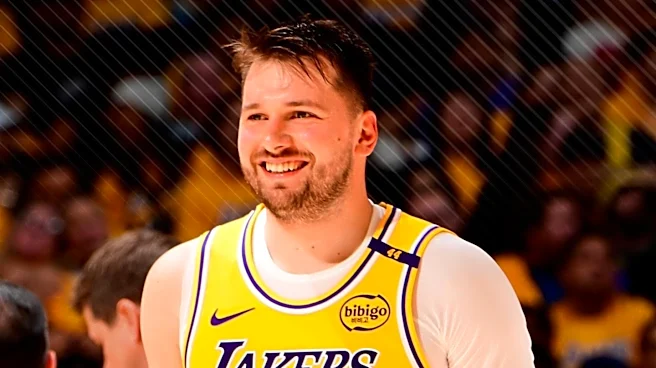
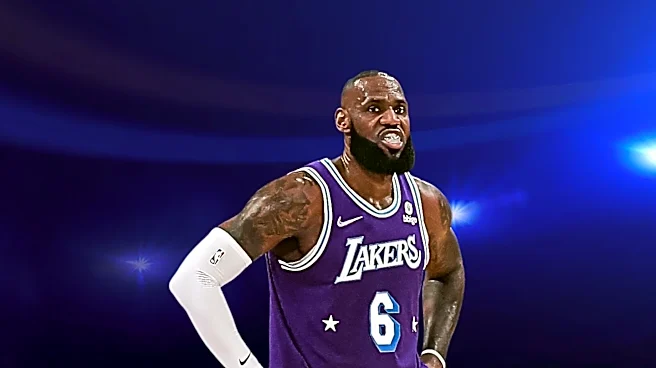
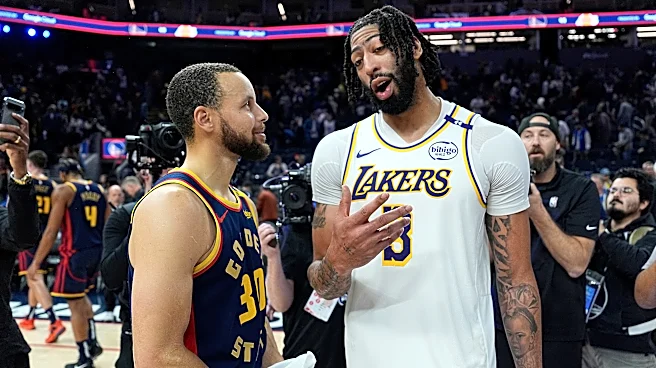
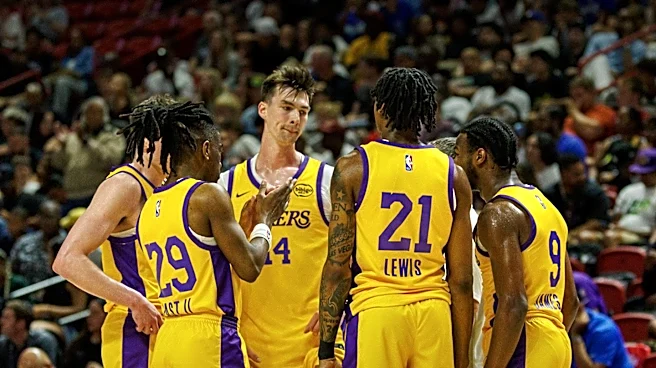
The Los Angeles Lakers have undergone significant roster changes ahead of the 2026-27 NBA season, aiming to finish among the top five teams in the Western Conference. Key departures include LeBron James, Deandre Ayton, and Marcus Smart, while the team has
retained Austin Reaves and added Luka Dončić, Walker Kessler, and several other players. The Lakers have focused on building a younger, more versatile team around Dončić, with an emphasis on shooting and athleticism. The team's potential playoff outcomes range from missing the playoffs to reaching the NBA Finals, with health and team chemistry being critical factors. The Lakers aim to leverage their new roster to secure a strong playoff position and potentially advance deep into the postseason.
Why It's Important?
The Lakers' roster overhaul reflects a strategic shift towards building a team capable of competing at the highest levels in the Western Conference. By acquiring young talent and focusing on versatility, the Lakers aim to create a sustainable competitive advantage. This move is significant for the franchise's long-term success and financial health, as a successful season can lead to increased revenue from ticket sales, sponsorships, and media rights. The changes also highlight the evolving nature of team-building in the NBA, where flexibility and adaptability are crucial in a highly competitive environment. The Lakers' success or failure this season will have implications for their brand and influence player recruitment and retention strategies.
What's Next?
The Lakers will focus on integrating their new players and developing team chemistry as they prepare for the upcoming season. The team's performance will be closely monitored, with expectations of a strong showing in the playoffs. The Lakers' management may continue to explore trade opportunities to further strengthen the roster, especially if injuries or performance issues arise. The team's ability to adapt to the new lineup and maintain player health will be critical to their success. The broader NBA community will watch how the Lakers' strategy influences other teams' approaches to roster management and competitive positioning.