




What's Happening?
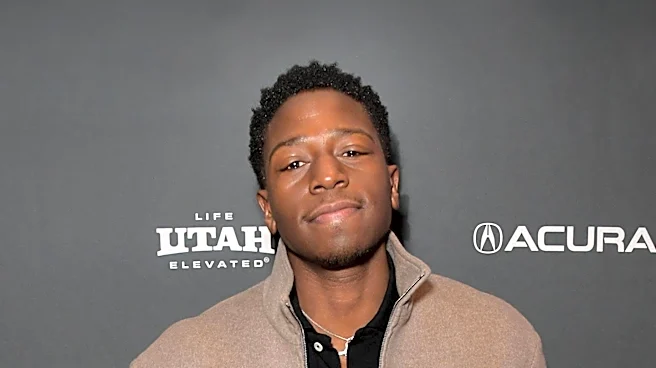
Actor Jonathan Majors has revealed that he prayed before accepting his role in the controversial film 'Run Hide Fight: Infidels,' and continued to pray throughout its production. The Ben Shapiro-produced action thriller has drawn criticism for its portrayal
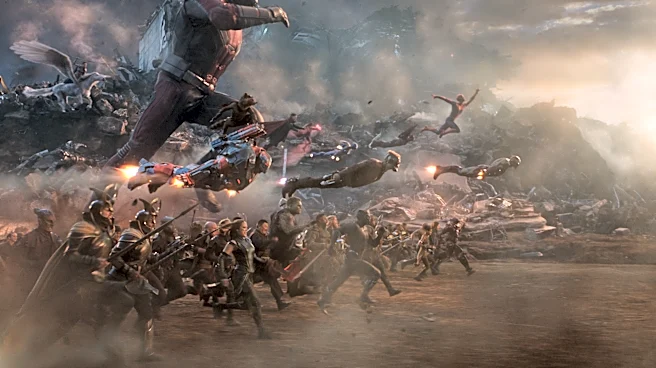
of Muslims and pro-Palestinian protesters, depicting 'Islamic terrorists' taking over a pro-Palestinian college encampment and imposing Sharia law. Majors, who plays retired Delta Force officer Clay Saunders, stated that his faith in Jesus Christ guides his career decisions and his interactions with fellow actors. This role marks Majors' first major starring vehicle since his 2023 misdemeanor assault and harassment convictions, which led to his departure from Marvel's Kang the Conqueror role. He is currently working on additional projects for 2027.
Why It's Important?
Jonathan Majors' decision to join 'Run Hide Fight: Infidels' and his public statements about his faith are significant for the U.S. entertainment industry and cultural discourse. The film itself is controversial, accused of Islamophobia and far-right messaging, which can spark heated debates about artistic freedom versus responsible representation. Majors' involvement, especially after his recent legal issues, places him at the center of discussions about career rehabilitation, cancel culture, and the role of personal beliefs in professional choices. For the film industry, this highlights the ongoing tension between creative expression and social responsibility, particularly when dealing with sensitive political and religious themes. It also underscores the influence of faith on public figures and how that can shape their career trajectories and public perception, impacting their marketability and audience reception.
What's Next?
The film's release and Majors' comments will likely continue to generate discussion and debate among critics, audiences, and advocacy groups. The controversy surrounding 'Run Hide Fight: Infidels' could affect its box office performance and streaming viewership, as well as Majors' future career opportunities. His upcoming projects in 2027 will be closely watched to see how he navigates his career post-controversy and how his public image evolves. The incident also contributes to the broader conversation about the intersection of politics, religion, and entertainment, potentially influencing how studios and producers approach projects with sensitive content and how actors choose their roles.
Beyond the Headlines
Beyond the immediate controversy, Majors' statements about his faith and the film's themes delve into deeper societal issues concerning religious freedom, political polarization, and media representation. The film's portrayal of 'Islamic terrorists' and pro-Palestinian encampments taps into existing geopolitical tensions and stereotypes, raising ethical questions about the perpetuation of harmful narratives. Majors' personal journey, from a high-profile Marvel role to a controversial independent film, reflects the complex landscape of celebrity, accountability, and redemption in the public eye. This situation prompts a critical examination of how audiences consume and interpret media, and the responsibility of creators to consider the broader social impact of their work. It also highlights the power of individual conviction in shaping artistic choices, even when those choices are met with significant public backlash.