











What's Happening?
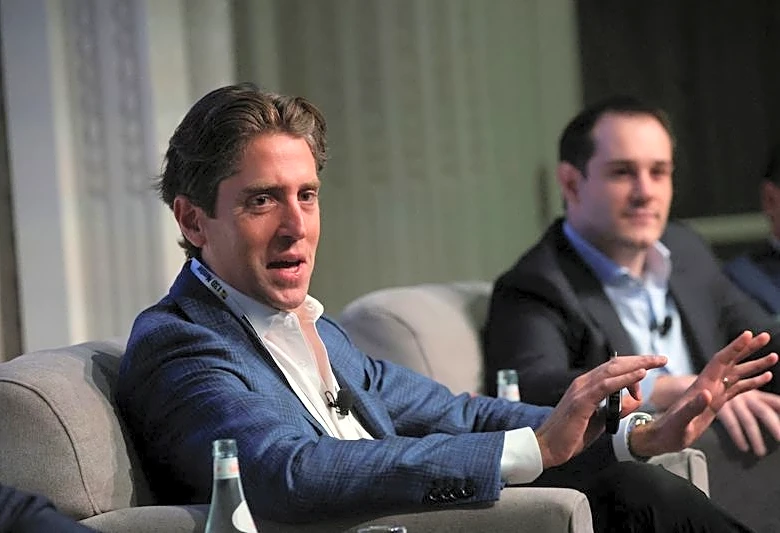
Katherine Lorenz, leader of the Next Gen group at the Giving Pledge, highlights a shift in philanthropic strategies among the children and grandchildren of wealthy families. Traditionally, philanthropy involved writing checks for health and education
causes. However, the younger generation is now advocating for a more dynamic approach, focusing on impact investing, advocacy, and addressing systemic social issues. This change is partly driven by a desire to deploy capital more rapidly and effectively, as well as a push from younger family members for their parents to distribute wealth sooner. The Giving Pledge, initiated by Bill Gates, Melinda French Gates, and Warren Buffett in 2010, encourages billionaires to donate the majority of their wealth. Lorenz notes that younger philanthropists are increasingly interested in tackling root causes of social problems rather than just providing immediate relief.
Why It's Important?
This shift in philanthropic focus has significant implications for how wealth is distributed and utilized in addressing social issues. By prioritizing impact investing and advocacy, younger philanthropists are likely to influence the direction of funding towards more sustainable and systemic solutions. This approach could lead to more effective use of philanthropic capital, potentially addressing issues like climate change, racial justice, and gender equity more comprehensively. The trend also reflects a broader societal expectation for the wealthy to play a more active role in solving global challenges, which could reshape the landscape of charitable giving and social impact.
What's Next?
As Millennials and Generation X are expected to inherit around $124 trillion by 2048, their influence over philanthropic capital will grow. This generational wealth transfer could accelerate the shift towards impact-focused philanthropy. Organizations and causes that align with these priorities may see increased funding, while traditional charities might need to adapt to attract support. Additionally, discussions around the speed and direction of wealth distribution are likely to intensify, potentially leading to new models of philanthropy that emphasize collaboration and community-driven solutions.
Beyond the Headlines
The evolving approach to philanthropy raises questions about the ethical responsibilities of the wealthy in addressing societal issues. As younger philanthropists focus on systemic change, there may be increased scrutiny on how effectively these efforts translate into tangible outcomes. The emphasis on impact investing and advocacy also highlights a cultural shift towards viewing philanthropy as a strategic tool for social change, rather than just a means of wealth redistribution. This could lead to long-term shifts in how society perceives and engages with philanthropic efforts.