










What's Happening?
A movement to ban social media for those under 16 is gaining traction in several countries, including the UK and Australia, with the aim of protecting young people and encouraging a revival of distinct youth culture. The ban is intended to give children
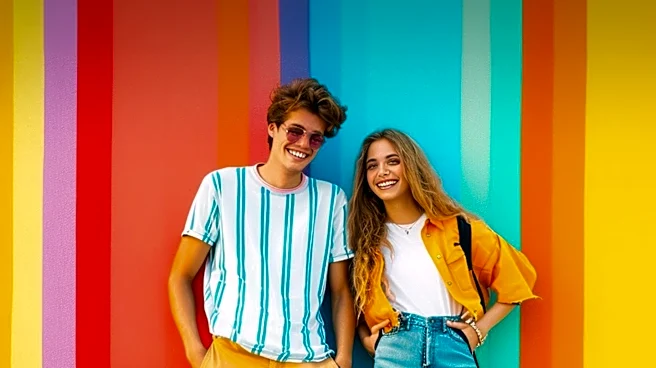
their childhood back by reducing their exposure to adult-dominated online spaces. This could lead to a resurgence in tween fashion and identity, as brands may begin to treat this age group as a distinct market. Despite the ban, many experts remain skeptical about its effectiveness, as a significant number of children still access banned platforms. The initiative reflects a broader cultural shift where young people are becoming more aware of the benefits and drawbacks of their screen time, setting their own limits and boundaries.
Why It's Important?
The potential impact of a social media ban for teens is significant, as it could reshape how young people interact with digital platforms and influence their cultural development. By limiting exposure to adult content, the ban could foster a more age-appropriate environment for teens, encouraging creativity and self-expression. This shift may also prompt brands to innovate and create products that cater specifically to younger audiences, potentially revitalizing the tween fashion market. However, the effectiveness of such bans is questionable, as many children continue to access restricted platforms, highlighting the challenges of enforcing digital regulations. The debate also raises important questions about the balance between protecting young people and allowing them freedom of expression online.
What's Next?
As the social media ban for teens gains momentum, it is likely to face continued scrutiny and debate. Policymakers and stakeholders will need to address the challenges of enforcement and consider the potential unintended consequences, such as increased isolation for vulnerable groups. Brands and marketers may begin to explore new strategies to engage with younger audiences in a more meaningful and age-appropriate manner. Additionally, the conversation around digital literacy and responsible online behavior is expected to grow, with an emphasis on educating young people about the risks and benefits of social media use.