







What's Happening?
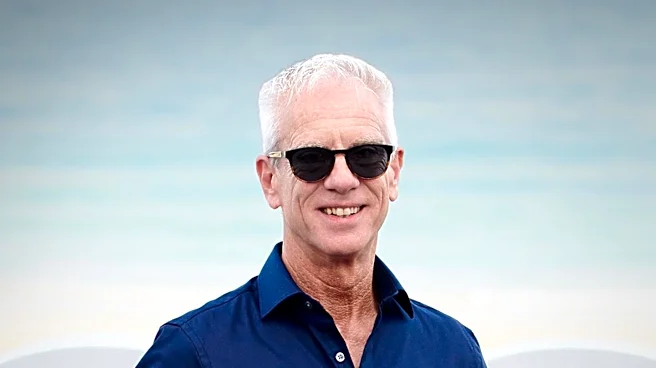
The U.S. Fencing Foundation has announced a new leadership team for its Board of Trustees. Jeff Weber, a veteran Wall Street executive and lifelong saber fencer, has been elected as the new chair. He is joined by Robin McGraw as vice chair and Emily Bian
as treasurer. This new team succeeds outgoing Chair Selina Kaing and Vice-Chair Jake Hoyle OLY. Weber brings over 30 years of experience in asset management, including serving as president and vice chairman of York Capital Management. His philanthropic work includes chairing the Carter Burden Network and leading Senator Kirsten Gillibrand’s Working Group on Aging. McGraw, a community leader and former national team saber fencer, has a strong record of service in human services, education, and healthcare through various foundations. Bian, a certified public accountant, also serves as treasurer for USA Fencing and brings extensive experience from Big Four accounting firms and corporate control. The new leadership aims to build on the Foundation's strengths and expand its reach, especially with the LA28 Games approaching.
Why It's Important?
This leadership change at the U.S. Fencing Foundation is significant for the future of fencing in the United States, particularly as the LA28 Olympic and Paralympic Games draw near. The Foundation serves as the philanthropic arm of USA Fencing, playing a crucial role in funding and supporting fencers at all levels, from local clubs to Olympic hopefuls. The combined experience of the new leadership team in finance, philanthropy, and the sport itself is expected to enhance fundraising initiatives and strategic development. Jeff Weber's background in asset management and his involvement with Senator Gillibrand's working group suggest a strong capacity for financial stewardship and broader community engagement. Robin McGraw's philanthropic expertise and Emily Bian's financial acumen will be vital in ensuring the effective allocation of resources. This transition is poised to impact the growth and visibility of American fencing, potentially leading to increased support for athletes and the expansion of fencing programs nationwide, thereby strengthening the U.S. presence in international competitions.
What's Next?
The immediate focus for the new leadership team at the U.S. Fencing Foundation will be to leverage the upcoming LA28 Olympic and Paralympic Games as a unique opportunity to showcase American fencing. This involves expanding the Foundation's reach, increasing its visibility, and securing long-term impact for the sport. The team will likely concentrate on engaging new supporters and donors to build lasting momentum. Efforts will continue to fund programs like the 'Fencing the Gap' grants, which support clubs in various states, and provide entries for athletes in North American Cups through USA Fencing’s GRACE program. The Foundation will also aim to launch new college fencing programs and continue initiatives such as the Women’s Coaching Grant. The leadership will work to ensure that the philanthropic efforts translate into tangible support for fencers across the country, from grassroots development to elite-level competition, with the ultimate goal of enhancing the U.S. fencing ecosystem.
Beyond the Headlines
Beyond the immediate goals of fundraising and program expansion, the new leadership of the U.S. Fencing Foundation could usher in a period of significant strategic evolution for the sport in the U.S. The emphasis on leveraging the LA28 Games suggests a broader vision for integrating fencing more deeply into the national sports consciousness. Jeff Weber's background in film production, alongside his financial expertise, might lead to innovative approaches in promoting the sport and attracting a wider audience, potentially through documentaries or other media. The Foundation's role in supporting fencers from their first lesson to the Olympic podium highlights a commitment to long-term athlete development and mentorship, fostering a pipeline of talent. This leadership change could also influence the perception of fencing as an accessible sport, moving beyond its traditional image to engage diverse communities and promote inclusivity. The focus on financial sustainability and strategic growth aims to secure a robust future for American fencing, ensuring its continued success and impact on a national and international scale.