





What's Happening?
Luxury Lodge Tents are increasingly becoming a preferred accommodation choice for glamping resorts, eco-tourism destinations, and outdoor hospitality businesses. This shift signifies an evolution in camping, moving beyond basic outdoor activities to combine
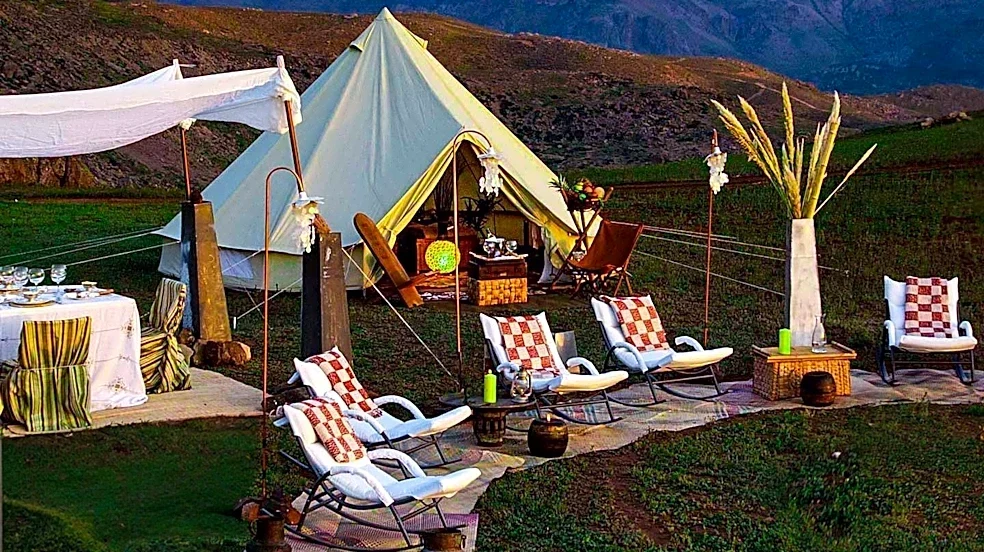
nature, relaxation, and comfort. Unlike traditional camping tents, which prioritize portability and basic shelter, lodge tents offer more spacious interiors, distinctive architectural designs, and enhanced opportunities for creating memorable guest experiences. These tents are designed to provide a complete living environment, often accommodating comfortable beds, seating areas, private bathrooms, lighting, and air conditioning. Their large windows and spacious layouts allow guests to enjoy natural scenery while maintaining privacy and comfort, making them suitable for various environments such as mountain retreats, forest campsites, lakeside resorts, and safari destinations. This trend is also encouraging resort investors to explore new ways of developing attractive outdoor accommodations that cater to travelers seeking unique experiences without sacrificing modern conveniences.
Why It's Important?
The growing popularity of Luxury Lodge Tents is important for the U.S. tourism and hospitality industry as it reflects a significant change in consumer preferences for outdoor accommodations. This trend creates new investment opportunities for resort developers and businesses looking to differentiate their offerings from traditional hotels and campsites. By providing a balance between outdoor adventure and hotel-style comfort, these tents attract a broader range of travelers, including those who might not typically engage in traditional camping. The customizable layouts and designs of lodge tents allow resorts to create unique identities and cater to specific customer segments, such as families, romantic getaways, or longer nature retreats. This innovation in accommodation can boost local economies in scenic areas by drawing more tourists and extending their stays, thereby increasing revenue for related services and businesses. The emphasis on environmental performance and connection with nature also aligns with growing consumer demand for sustainable travel options.
What's Next?
The trend of luxury glamping, particularly with the adoption of lodge tents, is expected to continue expanding across the U.S. hospitality sector. Resort developers will likely focus on integrating more advanced amenities and sustainable practices into these accommodations to meet evolving traveler expectations. This could include further advancements in eco-friendly materials, energy efficiency, and waste management within glamping sites. We may also see an increase in specialized glamping experiences tailored to specific interests, such as wellness retreats, adventure tourism, or educational nature programs. As the market matures, there will likely be greater competition among glamping resorts, leading to more innovative designs and service offerings. Investors will need to carefully evaluate material quality, maintenance requirements, seasonal demand, and expected occupancy to ensure the commercial viability of these projects, while also navigating local regulations and environmental considerations for installation and operation.
Beyond the Headlines
The rise of luxury lodge tents and eco-glamping signifies a broader cultural shift towards experiential travel and a desire for deeper connections with nature, without fully abandoning modern comforts. This trend challenges traditional notions of 'roughing it' in the outdoors, making nature accessible to a wider demographic. It also highlights an ethical dimension in tourism, as developers are increasingly pressured to balance luxury with environmental responsibility. The design flexibility of these tents allows for integration into diverse natural landscapes, potentially fostering a greater appreciation for conservation among guests. However, it also raises questions about the potential environmental impact of increased tourism in previously remote or pristine areas. The long-term success of this segment will depend on its ability to maintain authenticity, minimize ecological footprints, and provide genuinely immersive experiences that respect and preserve the natural environments they inhabit, rather than merely commodifying them.