






What's Happening?
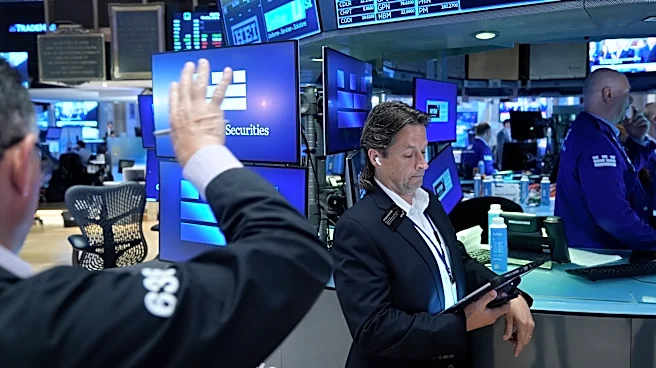
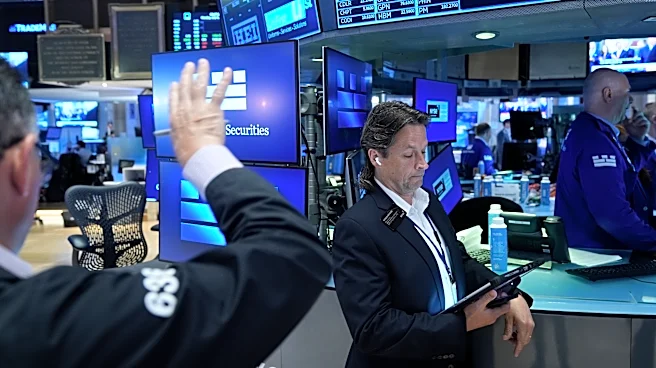
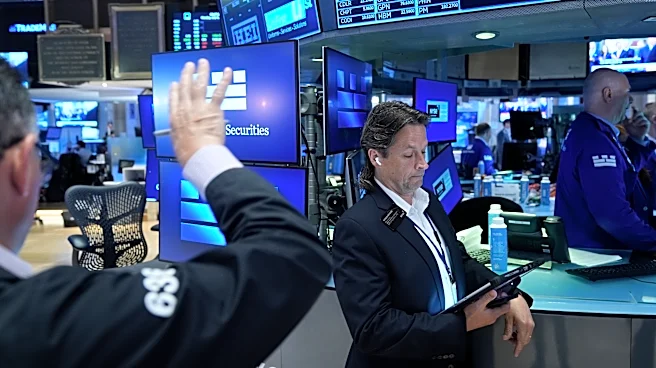
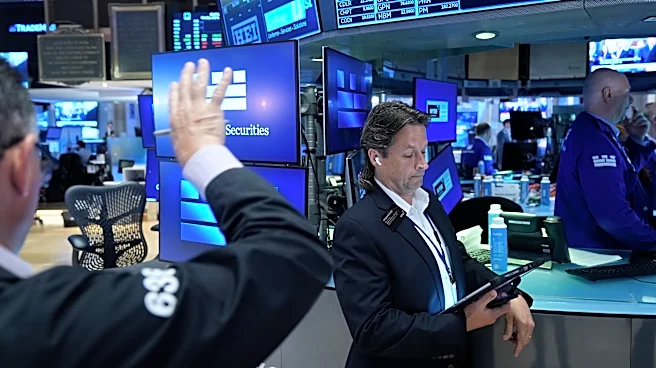
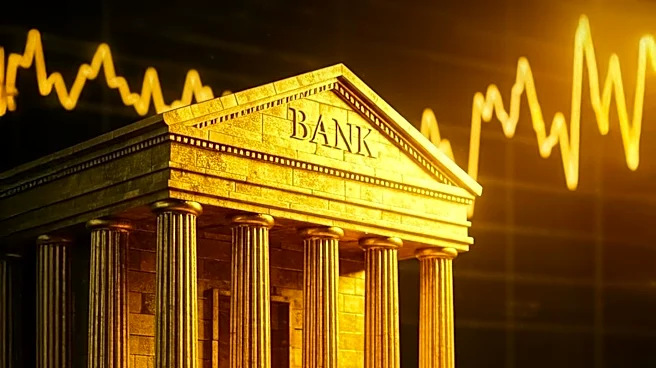
Major Wall Street banks, including JPMorgan, Goldman Sachs, Citi, Wells Fargo, and Bank of America, have reported significant profits for the second quarter, driven by strong equities trading revenue and investment banking fees. The banks benefited from
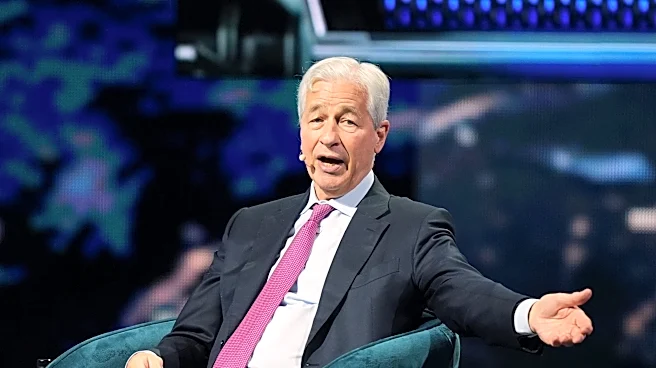
a robust deal pipeline and the AI financing boom, which has led to increased demand for capital to support AI infrastructure and data centers. Despite the impressive earnings, bank executives, including JPMorgan CEO Jamie Dimon, expressed caution about the sustainability of these conditions, noting that the market is 'close to as good as it gets.' The geopolitical situation, particularly the war in Iran, adds an element of uncertainty that could impact market perceptions and future IPOs.
Why It's Important?
The strong performance of these banks highlights the current resilience of the U.S. economy and the significant role of AI in driving financial markets. The profits underscore the importance of technology investments and the volatility in trading markets as key factors in the financial sector's success. However, the caution expressed by bank executives suggests potential vulnerabilities, as the AI-driven growth may not be sustainable in the long term. The geopolitical uncertainties and upcoming midterm elections could further influence market dynamics, affecting stakeholders ranging from investors to policymakers.
What's Next?
Looking ahead, banks anticipate a potential slowdown in the summer, as maintaining the extraordinary momentum of the second quarter may prove challenging. Executives from Citi and other banks have noted that market revenues typically decline in the latter half of the year, and this trend could be more pronounced given the current high levels. The ongoing geopolitical tensions and domestic political events, such as the midterm elections, are likely to play a significant role in shaping market conditions and investor sentiment in the coming months.