





What's Happening?
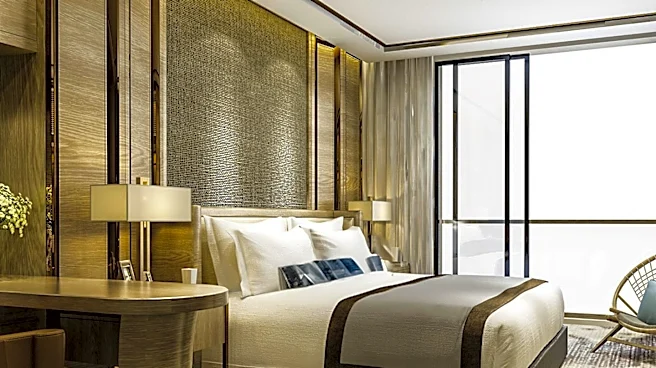
The hospitality industry is increasingly focusing on sleep tourism, transforming basic amenities into high-tech offerings designed for deep rest and recovery. Hotels are now providing specialized rooms equipped with smart beds that adjust to body temperature,
custom lighting systems mimicking natural sunlight, and partnerships with sleep specialists for guided recovery routines and light therapy. This shift is a direct response to a growing demand from travelers seeking genuine rest, with nearly half of global travelers prioritizing resting and recharging as their main reason for a getaway. Destinations like Kyoto, Japan, are blending traditional Zen practices with modern sleep analysis, while Big Sur, California, offers digital detox environments. The Swiss Alps provide medical sleep recovery packages, and Bali, Indonesia, focuses on circadian rhythm correction through natural light exposure.
Why It's Important?
This evolution in sleep tourism signifies a significant shift in consumer priorities within the travel industry. Travelers are now willing to spend substantial amounts, averaging $1,725 per trip, specifically for sleep improvement, and over 43% are prepared to pay extra for specialized sleep enhancements. This trend impacts the hospitality sector by driving innovation in room design and service offerings, pushing hotels to invest in advanced sleep technology and wellness programs. It also creates new market segments, attracting individuals seeking to combat burnout and improve their overall well-being through travel. The financial projections are substantial, with the sleep-focused travel market expected to grow from approximately $74.5 billion to nearly $149 billion in the coming years, indicating a lucrative opportunity for hotels and related businesses.
What's Next?
The continued growth of sleep tourism will likely lead to further integration of health and wellness technologies into hotel offerings. We can expect more collaborations between hospitality brands and sleep science experts, potentially leading to personalized sleep programs tailored to individual guest needs. Hotels may also expand their partnerships with medical professionals to offer more comprehensive sleep recovery packages, similar to those found in the Swiss Alps. The focus on digital detox and natural environments, as seen in Big Sur, could also become more prevalent, with resorts designing experiences that intentionally disconnect guests from technology. This trend may also influence the design and construction of new hotel properties, with an emphasis on soundproofing, advanced climate control, and lighting systems optimized for sleep.
Beyond the Headlines
The rise of sleep tourism reflects a broader societal recognition of the importance of sleep and the pervasive issue of chronic exhaustion in modern life. This trend highlights a cultural shift where rest is no longer viewed as a luxury but as a fundamental necessity for well-being. It also raises questions about the impact of technology on sleep, as hotels leverage advanced solutions to counteract the very issues often exacerbated by digital lifestyles. Ethically, the industry will need to ensure that these specialized offerings are genuinely beneficial and not merely marketing ploys. Legally, there may be implications regarding health claims made by hotels offering medical-grade sleep recovery. This movement could also inspire other industries to prioritize rest and recovery, potentially influencing workplace policies and urban planning to create more sleep-conducive environments.