
What's Happening?
U.S. retail sales saw a significant rebound in August, increasing by a better-than-expected 1.2% after a revised 0.5% dip in July. This growth surpassed economists' forecasts of a 0.7% gain. The Commerce
Department data indicates broad-based spending, with online retailers experiencing a 2.6% increase, clothing and accessories stores up 0.7%, and furniture and home furnishings stores rising 0.9%. Restaurants, the sole services category included in the report, also registered a 1.2% gain. This surge in spending occurred despite rising gasoline prices, which reached an average of US$4.37 per gallon in August, and an overall consumer price increase of 3.4% from the previous year, with a 0.4% rise from July. The National Retail Federation noted that retail sales have generally been stronger than anticipated this year, with consumers showing resilience.
Why It's Important?
The robust retail sales figures are a key indicator of the U.S. economy's resilience, prompting economists to upgrade their third-quarter GDP growth estimates. This sustained consumer spending, even in the face of accelerating inflation and rising gas prices, suggests that households are continuing to spend, supported by steady wage growth and recent stock market gains. However, the sustainability of this spending pace is a growing concern. Economists highlight a 'K-shaped' spending trend, where higher-income Americans benefit from income and wealth growth, while lower-income households struggle with weaker income gains and the impact of rising energy and food prices. This disparity could lead to a future drag on real consumer spending growth, particularly if high gas prices persist and inflation-adjusted wages continue to decline, potentially impacting overall economic stability.
What's Next?
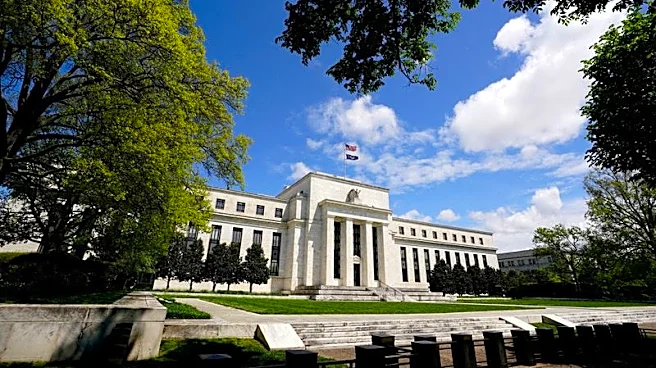
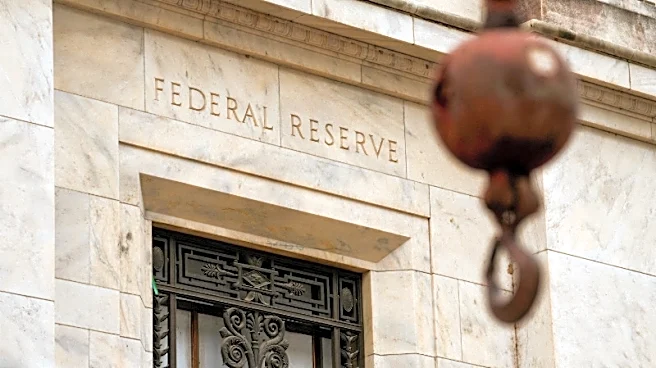
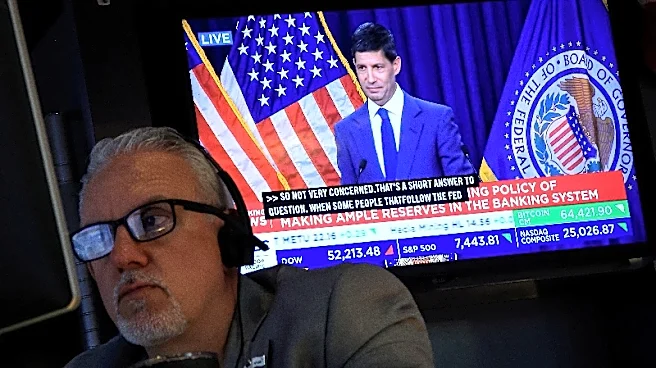
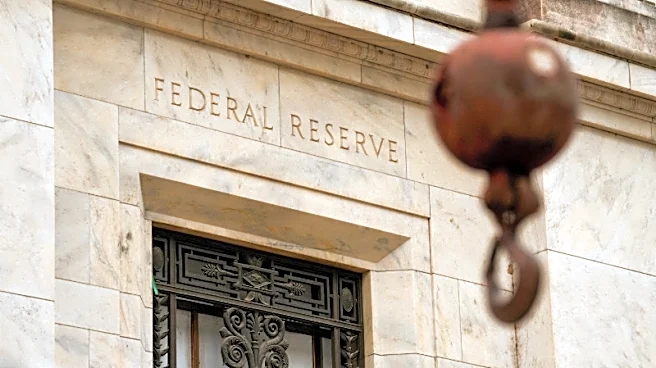
The continued strength in retail sales, coupled with accelerating producer and consumer prices, is expected to reinforce the Federal Reserve's stance on interest rate increases to control inflation. While consumers have demonstrated a willingness to spend, the rising cost of living, particularly for gasoline and food, is making them more selective in their purchases. Retailers like Walmart and Macy's are already using tariff refunds to lower prices on certain items, a strategy that may become more widespread to attract price-sensitive consumers. Looking ahead, the trajectory of gas prices and inflation-adjusted wages will be critical in determining the future pace of consumer spending. If these pressures continue, lower-income households may further reduce discretionary spending, potentially leading to a slowdown in retail growth in the coming months and into 2027.
Beyond the Headlines
The current retail landscape reveals a complex interplay between consumer resilience, inflationary pressures, and evolving spending patterns. The softening of 'K-shaped' spending trends suggests a potential shift in the economic recovery, where the benefits of growth are not evenly distributed across income brackets. This could exacerbate social and economic inequalities, leading to increased demand for targeted economic relief or policy interventions. Furthermore, the reliance on household wealth gains and reduced savings to fuel current spending raises questions about long-term financial stability for many Americans. The strategic decisions by retailers to absorb costs and lower prices, partly due to tariff refunds, highlight the competitive pressures within the industry and the innovative approaches businesses are taking to maintain consumer engagement amidst economic headwinds. This dynamic environment underscores the need for a nuanced understanding of consumer behavior and its broader societal implications.