





What's Happening?
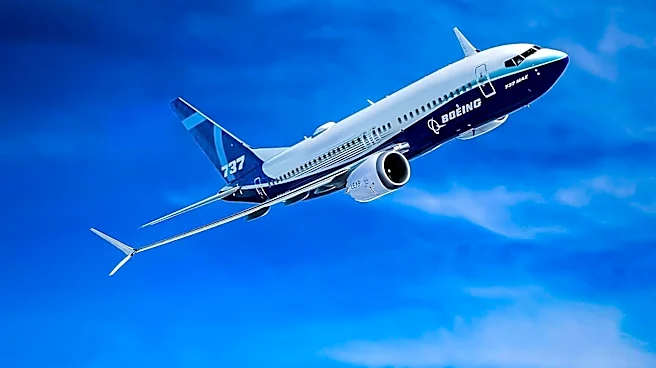
United Airlines is facing a significant challenge regarding the interior configuration of its Boeing 737 Max 10 aircraft due to prolonged certification delays. The airline had ordered 167 of these planes, with initial delivery expected in 2020, but now
anticipates receiving the first units in summer 2027. As a result, hundreds of lie-flat, premium seats specifically designed for these aircraft have been in storage, as they do not fit other models in United's fleet. United's CEO, Scott Kirby, expressed uncertainty about the use of these stored seats. The delays stem from Boeing's need to redesign an anti-icing system and increased scrutiny following various safety and manufacturing crises. Boeing recently secured approval for the smaller 737 Max 7, with Southwest Airlines expecting deliveries in the first half of 2027. United had previously planned a premium-heavy layout for the Max 10, a strategy conceived before the airline even introduced a premium economy section.
Why It's Important?
This situation highlights the significant operational and financial challenges airlines face due to manufacturing delays from aircraft manufacturers like Boeing. United's inability to deploy these specialized seats represents a substantial capital investment sitting idle, impacting potential revenue from high-yield transcontinental routes. The need to re-evaluate interior designs for the Max 10 also means additional costs and potential delays in fleet modernization and service offerings. For passengers, this could translate into a slower rollout of new cabin products and premium seating options on certain routes. The broader aviation industry watches these developments closely, as Boeing's production issues affect multiple carriers and their strategic planning, potentially influencing future aircraft orders and manufacturer-airline relationships. The situation also underscores the complexities of aircraft certification processes and their ripple effects across the global airline industry.
What's Next?
United Airlines must now decide on the final interior layout for its Boeing 737 Max 10 fleet, considering the stored seats and evolving market demands, including the airline's current premium economy offerings. The airline expects to receive the first Max 10s in summer 2027, which gives them a window to finalize these plans. Boeing's ongoing efforts to secure federal approval for the Max 10 will be a critical factor, as any further delays would exacerbate United's predicament. United may explore options such as retrofitting the stored seats if feasible, or potentially selling them if they cannot be integrated into their future fleet plans. The airline will also need to determine the specific routes where these new aircraft will be deployed, which will influence the cabin configuration choices. The industry will be observing how United navigates this challenge, as it could set precedents for other airlines facing similar issues with delayed aircraft deliveries.
Beyond the Headlines
The predicament faced by United Airlines extends beyond mere logistical challenges, touching upon the intricate supply chain dependencies and the long-term strategic planning within the aviation sector. The substantial investment in specialized seating that remains unused underscores the financial risks associated with aircraft procurement and the reliance on manufacturers to meet delivery schedules. This situation could prompt airlines to re-evaluate their procurement strategies, potentially diversifying their orders across different manufacturers or demanding more robust contractual protections against delays. Furthermore, it highlights the evolving landscape of passenger expectations, where premium seating and cabin comfort are increasingly competitive differentiators. The inability to deploy these features as planned could impact United's market positioning and its ability to compete effectively on key routes, forcing a re-evaluation of its long-term fleet and service strategies in a highly dynamic industry.