






What's Happening?
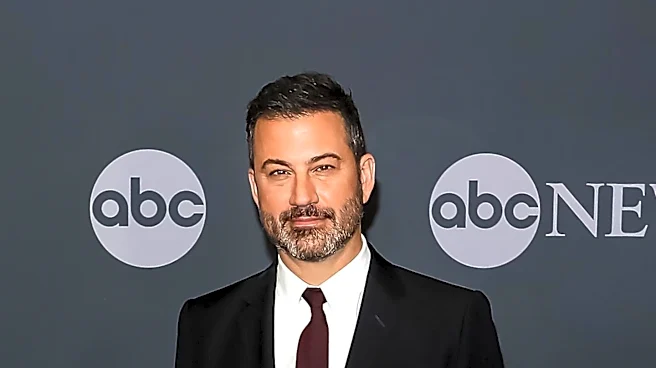
Bob Iger, the former CEO of Disney, has publicly defended the company's decision to suspend Jimmy Kimmel following controversial comments made by Kimmel regarding the assassination of Charlie Kirk. In an interview with the Financial Times, Iger refuted
claims that the suspension was politically motivated or influenced by the Trump administration. He stated that the comments were considered in 'bad taste' and that Kimmel was asked to apologize for his remarks. The incident occurred after Kimmel made comments on his ABC late-night show about the political affiliations of the individual who murdered Kirk, a right-wing activist and ally of President Trump. The suspension followed threats from FCC Chairman Brendan Carr, who suggested regulatory pressure could be applied to ABC if action was not taken against Kimmel.
Why It's Important?
The suspension of Jimmy Kimmel highlights the ongoing tensions between media companies and political figures, particularly in the context of sensitive political commentary. The incident underscores the influence that political pressure can exert on media outlets, potentially affecting programming decisions and freedom of speech. The decision by Disney to suspend Kimmel, despite Iger's denial of political motivation, reflects the complex dynamics between corporate governance and political influence. This situation may have broader implications for how media companies navigate controversial content and the potential repercussions from political entities, impacting the landscape of media freedom and corporate responsibility.
What's Next?
The return of 'Jimmy Kimmel Live' after a brief suspension suggests that Disney may continue to face scrutiny over its handling of politically sensitive content. The incident could lead to further discussions within the media industry about the balance between editorial independence and external pressures. Stakeholders, including media companies and political figures, may need to address the implications of regulatory threats and the potential chilling effect on critical speech. Future interactions between media outlets and political entities could shape the policies and practices surrounding controversial commentary.