




What's Happening?
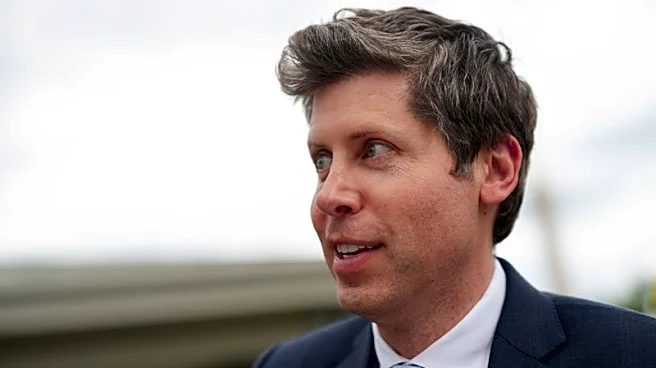
OpenAI has announced its intention to discontinue providing AI models to Cursor, a coding-tool company recently acquired by Elon Musk's SpaceX. This decision, communicated on Friday, marks a significant escalation in the ongoing dispute between OpenAI CEO
Sam Altman and Elon Musk. OpenAI stated that its agreement with Cursor included a limited window to terminate the contract following a 'change of control,' and it proposed a shutoff date of November 12, 2026. The company cited concerns that SpaceX might not use its technology in compliance with its terms of service, based on past experiences with Musk's companies violating contracts. Musk, in response, dismissed the action, accusing Altman and OpenAI President Greg Brockman of being 'untrustworthy' and reiterating his claim that they 'stole an open source nonprofit.' This development follows a $150 billion lawsuit filed by Musk against OpenAI earlier this year, which a federal jury dismissed, ruling it was filed too late. SpaceX acquired Anysphere, the startup behind Cursor, in an all-stock deal worth $60 billion in June, with the acquisition finalized earlier this month.
Why It's Important?
This move by OpenAI has significant implications for the competitive landscape of the artificial intelligence and technology sectors, particularly concerning the control and ethical use of advanced AI models. The dispute highlights the growing tensions between major tech leaders and their respective companies, potentially influencing future collaborations and partnerships within the industry. For Cursor, the cessation of OpenAI's AI model support could necessitate a rapid pivot to alternative providers, impacting its product development and market position. The broader tech community will be watching closely to see how this rivalry affects innovation, intellectual property rights, and the enforcement of contractual agreements in a rapidly evolving technological environment. The incident also underscores the challenges of maintaining trust and adherence to terms of service when dealing with powerful and often contentious figures in the tech world, potentially leading to more stringent contractual clauses in future AI partnerships.
What's Next?
Following OpenAI's announcement, Cursor co-founder Michael Truell indicated that the company is in discussions with OpenAI to resolve the issue, suggesting potential negotiations to avert the planned shutoff. Concurrently, Anthropic, a rival AI firm with an existing partnership with SpaceX, has announced plans to increase compute support for its Claude models within Cursor, offering a potential alternative for the coding tool company. This immediate response from Anthropic suggests a rapid realignment of alliances and competitive strategies within the AI industry. The situation could lead to further legal challenges or a public relations battle as both OpenAI and Musk's entities continue to articulate their positions. The outcome of these discussions and Anthropic's increased involvement will likely shape Cursor's future operations and could set a precedent for how AI model providers manage relationships with companies undergoing significant ownership changes, especially when involving high-profile figures with existing rivalries.
Beyond the Headlines
The escalating feud between OpenAI and Elon Musk extends beyond a simple contract dispute, touching upon fundamental questions about the governance and ethical deployment of artificial intelligence. Musk's repeated accusations of OpenAI betraying its original nonprofit mission for profit, despite a jury ruling against him, reflect a deeper ideological conflict within the AI community regarding commercialization versus open-source development. This incident could prompt a re-evaluation of the 'change of control' clauses in technology contracts, particularly in the fast-paced AI sector where company acquisitions and strategic shifts are common. Furthermore, the involvement of Anthropic as a potential alternative provider highlights the intense competition and strategic maneuvering among leading AI developers. The public nature of this conflict, amplified by Musk's use of social media, also underscores the role of personal rivalries in shaping corporate decisions and industry dynamics, potentially influencing investor confidence and regulatory scrutiny over the long term.