


What's Happening?
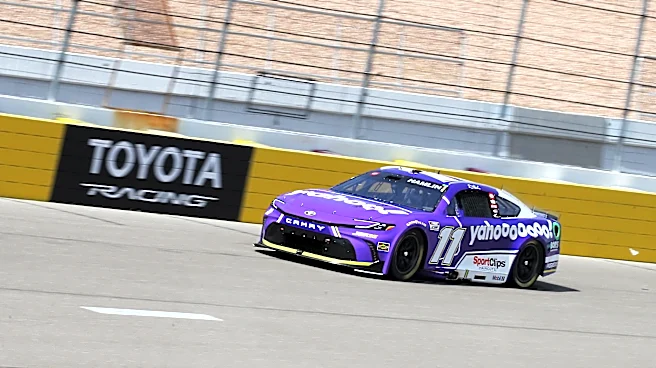
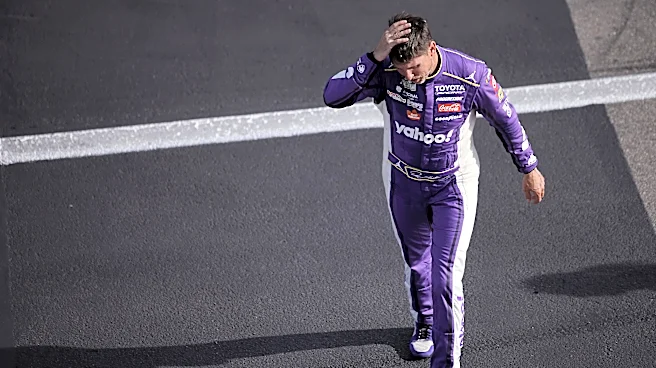
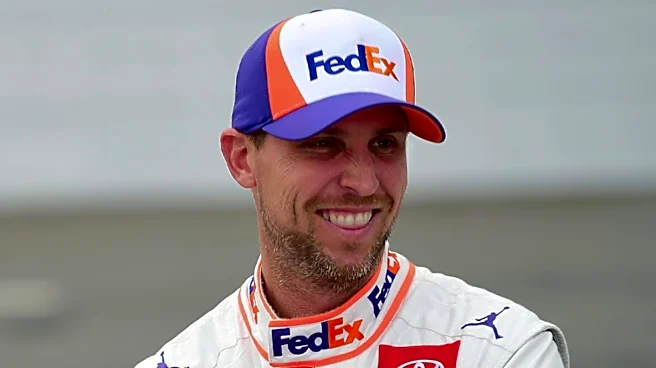
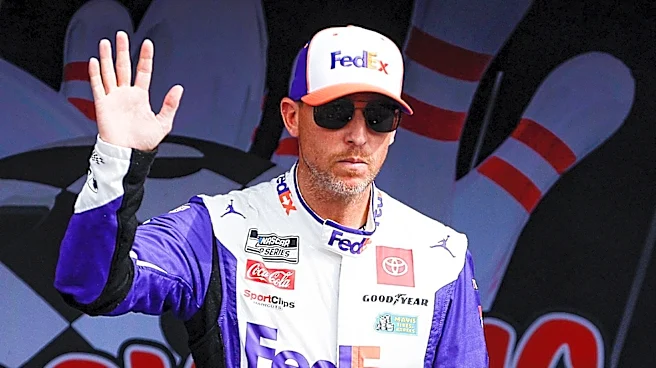
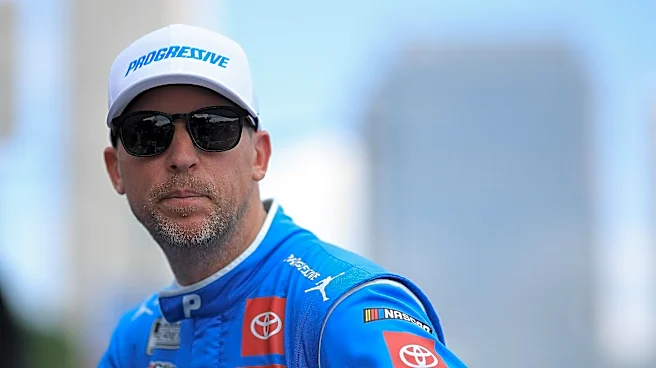
NASCAR Cup Series veteran Denny Hamlin has voiced significant concerns regarding the sport's declining television ratings and its diminishing relevance among mainstream audiences. Speaking on his 'Actions Detrimental' podcast, Hamlin emphasized that the core
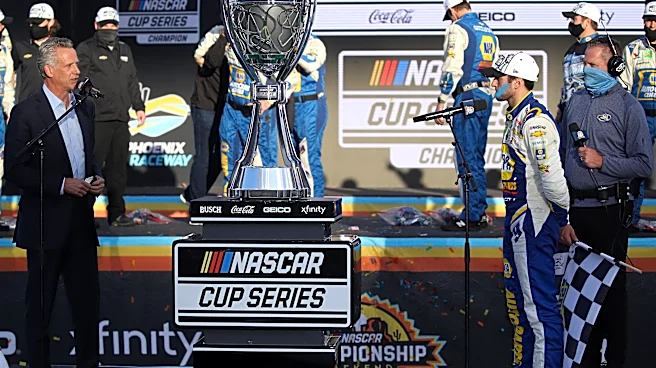
issues are not related to the cars or championship format, but rather a lack of effective storytelling, driver promotion, and strategic television partnerships. His comments follow the 2026 NASCAR Cup Series championship race at Homestead-Miami Speedway, which saw lower television ratings compared to the previous year's finale. The 2026 season, the first full year under NASCAR's current media rights agreement, distributed races across various broadcast, cable, and streaming platforms. Despite NASCAR officials highlighting positive trends in attendance and digital engagement, overall Cup Series viewership averaged 2.42 million, a 2% decrease from the prior year, marking the second consecutive year of decline. Hamlin advocates for a stronger focus on promoting driver personalities and rivalries, suggesting that promotional plans should be prioritized over financial value when selecting media partners.
Why It's Important?
Denny Hamlin's critique underscores a critical challenge facing NASCAR: maintaining and expanding its audience in a competitive media landscape. The decline in traditional television viewership, even with increased digital engagement, suggests that the sport's current media strategy may not be effectively reaching new fans or retaining casual viewers. This trend could have significant financial implications for teams, sponsors, and the league itself, as media rights deals are a major revenue stream. If viewership continues to decline, future media rights negotiations in 2030 could be negatively impacted, potentially leading to reduced revenue for the sport. Hamlin's call for better storytelling and promotion highlights the need for NASCAR to adapt its marketing approach to resonate with a broader, mainstream audience, moving beyond its traditional niche. The sport's ability to attract and engage new viewers is crucial for its long-term sustainability and growth, influencing everything from sponsorship deals to the overall health of the racing ecosystem.
What's Next?
NASCAR officials, while optimistic about the current media rights deal, are likely to face increasing pressure to address the concerns raised by figures like Denny Hamlin. The sport will need to evaluate its promotional strategies and potentially re-think how it leverages its media partnerships to enhance mainstream appeal. Discussions around the next media rights cycle in 2030 will undoubtedly be influenced by current viewership trends and the effectiveness of new engagement initiatives. Potential changes could include a greater emphasis on driver-centric narratives in broadcasts, exploring new scheduling formats such as Thursday night races during the summer, and re-evaluating the criteria for selecting media partners to prioritize promotional reach. The success of these efforts will determine whether NASCAR can reverse its viewership decline and secure a more prominent position in the broader sports culture.
Beyond the Headlines
The issues raised by Denny Hamlin extend beyond mere viewership numbers, touching upon the cultural relevance of NASCAR. In an era of fragmented media consumption and diverse entertainment options, sports leagues are increasingly competing for attention. NASCAR's challenge is not just about broadcasting races, but about crafting compelling narratives that draw in viewers who may not be traditional racing enthusiasts. The emphasis on 'storytelling' and 'villains' and 'heroes' points to a broader shift in sports consumption, where personality and drama often drive engagement as much as the competition itself. This situation highlights a fundamental question for all traditional sports: how to evolve without alienating a loyal fanbase, while simultaneously attracting new demographics. The outcome of NASCAR's efforts to address these concerns could serve as a case study for other sports grappling with similar challenges in maintaining cultural relevance and audience growth.