







What's Happening?
The beverage industry is experiencing significant innovation driven by evolving consumer preferences for moderation, convenience, and premium experiences. Brands are launching new alcohol-free alternatives, functional soft drinks, and ready-to-drink (RTD)
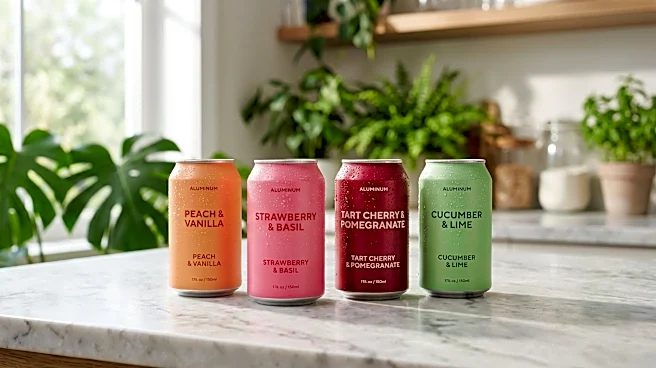
formats to cater to a wider range of occasions. This trend is also marked by efforts to make wellness ingredients and premium products more accessible to mainstream consumers. For instance, La Marca has introduced its first non-alcoholic sparkling wine, responding to the demand for drinking flexibility, as over 90% of non-alcoholic beverage buyers also purchase alcohol. Similarly, Oovi, a new UK brand, is launching a range of fruit-flavored functional sodas with added fiber, magnesium, zinc, and botanical extracts, aiming to broaden the appeal of functional beverages beyond traditional wellness audiences. Whitebox Cocktails has expanded its RTD range with full-strength classic cocktails like Manhattan and White Russian, focusing on established serves rather than fleeting trends. These developments highlight a strategic shift towards diverse product offerings that meet contemporary consumer lifestyles.
Why It's Important?
This wave of innovation is crucial for the U.S. beverage market as it reflects and responds to significant shifts in consumer behavior and health consciousness. The growing demand for alcohol-free options and functional beverages indicates a broader societal trend towards healthier lifestyles and mindful consumption. For U.S. industries, this means increased competition and opportunities for brands that can effectively blend health benefits with appealing flavors and convenience. Companies that successfully integrate ingredients like functional mushrooms, natural caffeine, and botanical extracts into their products, while adhering to FDA guidelines, are likely to capture a larger market share. The emphasis on premiumization also suggests that consumers are willing to pay more for quality ingredients and sophisticated formulations, pushing manufacturers to invest in research and development. This trend could lead to a redefinition of traditional beverage categories, blurring the lines between soft drinks, health supplements, and alcoholic beverages, thereby creating new market segments and revenue streams.
What's Next?
Looking ahead, the U.S. beverage market is expected to see continued expansion in functional and RTD categories. Brands will likely further explore natural caffeine sources, adaptogenic ingredients like functional mushrooms, and other wellness-boosting components to meet consumer demand. There will be an ongoing focus on sustainable packaging solutions, with an emphasis on recyclability and multi-layer barrier systems to support fortified formulations. Companies will also continue to innovate with flavor profiles, introducing more adventurous and complex tastes to attract a broader audience. The competitive landscape will intensify, prompting brands to differentiate through unique ingredient combinations, transparent sourcing, and effective marketing strategies that highlight health benefits and convenience. Regulatory compliance, particularly with FDA guidelines for functional ingredients and health claims, will remain a critical factor for market entry and success. We can anticipate more collaborations between beverage companies and ingredient suppliers to develop novel products that cater to specific health and wellness needs.
Beyond the Headlines
Beyond the immediate market trends, this evolution in the beverage industry signifies a deeper cultural shift towards holistic well-being and personalized consumption. The integration of functional ingredients into everyday drinks reflects a consumer desire to proactively manage health through diet, moving beyond traditional medicine. This could lead to a more preventative approach to health, where beverages play a role in daily wellness routines. Ethically, the industry will face increasing scrutiny regarding the transparency of ingredient sourcing, the efficacy of health claims, and the environmental impact of packaging. Legal frameworks may need to adapt to new categories of beverages that straddle food, supplement, and drink regulations. Culturally, these new beverages could normalize the consumption of previously niche ingredients like adaptogens and nootropics, integrating them into mainstream diets. This shift also highlights the power of consumer demand in driving innovation, pushing companies to be more responsive and agile in meeting evolving lifestyle choices.