


What's Happening?
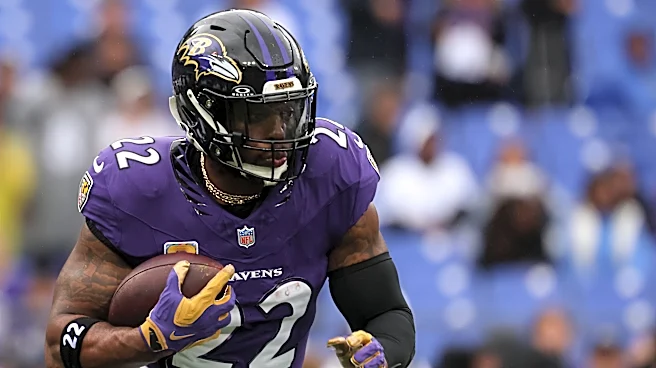
Steve Bisciotti remains the controlling owner of the Baltimore Ravens, a position he has held since acquiring the franchise on April 9, 2004. He purchased the team from the estate of Art Modell for approximately $600 million. The deal initially granted
Bisciotti operational control, with the Modell family retaining a minority stake for a transitional period. Over the subsequent years, the Modell family gradually reduced its ownership, leading to Bisciotti holding the vast majority of the team's equity by the mid-2010s. Under his leadership, the Ravens have continued to compete in the AFC North division, reaching the AFC Championship Game in recent seasons. Bisciotti's role encompasses oversight of football operations, stadium upgrades, and the team's long-term financial strategy. The Ravens' front office, including general managers like Ozzie Newsome and Eric DeCosta, operates under his authority, focusing on player development, draft strategy, and salary cap management. There are no reported plans for Bisciotti to sell the franchise.
Why It's Important?
Bisciotti's long-term and stable ownership of the Baltimore Ravens is significant for the team's consistent operational strategy and financial health within the highly competitive NFL landscape. His sustained control allows for continuity in leadership, coaching staff, and front office decisions, which can contribute to on-field success and franchise stability. The increasing valuation of the Ravens under his ownership, driven by media rights deals, sponsorships, and consistent performance, reflects a successful business model in professional sports. This stability also impacts the local economy of Baltimore, as a successful and well-managed NFL franchise generates revenue through ticket sales, stadium operations, and related businesses. The team's engagement in community initiatives and digital media further solidifies its brand and connection with its fan base, contributing to its overall value and impact beyond just game-day performance. The financial reporting requirements and revenue-sharing aspects of the NFL mean that the Ravens' financial health under Bisciotti contributes to the league's overall economic ecosystem.
What's Next?
As Steve Bisciotti continues as the controlling owner, the Baltimore Ravens are expected to maintain their current operational and strategic direction. This includes ongoing focus on player development through the draft, strategic salary cap management, and continued efforts to compete for championships within the AFC North and the broader NFL. The team's front office, under Bisciotti's authority, will likely continue to make decisions aimed at strengthening the roster and ensuring long-term competitiveness. Future stadium upgrades and continued engagement in media rights deals and sponsorships are also anticipated to further enhance the franchise's valuation and revenue streams. Bisciotti's continued representation of the Ravens in league meetings and involvement in collective bargaining discussions with the NFL Players Association will shape the team's future within the league's evolving landscape. The franchise's balance sheet and ownership details will remain subject to NFL financial reporting requirements.
Beyond the Headlines
Steve Bisciotti's ownership tenure highlights the increasing trend of long-term, stable ownership in professional sports, which often correlates with sustained franchise success and value growth. His background in aerospace and defense contracting provided the capital and business acumen necessary for the initial acquisition and subsequent management of a major NFL franchise. This demonstrates how business leaders from diverse industries can successfully transition into sports ownership, applying their strategic and financial expertise. The evolution of the ownership structure, with the Modell family gradually reducing its stake, also illustrates common practices in large-scale business acquisitions where initial transitional periods lead to consolidated control. The significant growth in the Ravens' valuation since 2004 underscores the robust economic model of the NFL, driven by strong media rights, fan engagement, and the league's overall popularity, making team ownership a highly lucrative and influential position within American business and culture.