





What's Happening?
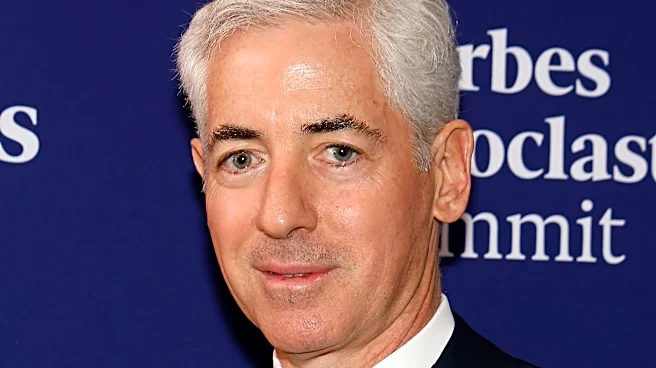
Michael Burry, known for his bet against the U.S. housing market before the 2008 crisis, has significantly altered his investment portfolio. According to a Substack post on Wednesday, Burry sold the remaining half of his put options on the Nasdaq-100
index as technology stocks experienced a weakening trend. This move indicates a shift away from a broad bearish stance on technology. He now holds approximately 25% of his portfolio in cash and is focusing on undervalued stocks. His current largest holdings include MercadoLibre, JD.com, and Temple & Webster. While he has closed most of his bearish positions, he still maintains put options against Palantir and insurer MetLife. Burry also reduced his Nvidia put options by about three-quarters, taking profits, and acquired long-dated call options on Nvidia, which he stated have doubled in value following a 31% jump in the stock.
Why It's Important?
Burry's investment decisions, though small in overall market terms, are closely observed by retail traders and can influence market sentiment. His exit from broad Nasdaq-100 put options removes a prominent bearish voice from the technology sector, potentially encouraging dip-buyers in the near term. The shift towards cash and undervalued stocks suggests a more cautious approach, indicating that he perceives current market conditions as favorable for value investments rather than broad market shorts. His continued bearish outlook on Nvidia, despite taking profits and holding call options, signals that he believes the stock's recent rebound may be overdone. This provides a reference point for other investors, suggesting that he anticipates a future opportunity to short Nvidia at a higher price, specifically near $200 a share, during a period of market optimism.
What's Next?
Burry has indicated his intention to short Nvidia again when its share price approaches $200, particularly during a period of market optimism. This suggests that while he has taken profits from the recent tech selloff and holds some call options as a hedge, his fundamental bearish view on Nvidia remains. Investors who follow his moves will likely monitor Nvidia's performance for signs of a rally towards that price point. His current focus on undervalued stocks means he will likely continue to seek out opportunities in companies like MercadoLibre, JD.com, and Temple & Webster. Since he closed his hedge fund, Scion Asset Management, last year, his positions are now self-disclosed on Substack, meaning they cannot be independently verified through regulatory filings, which changes the transparency of his future trades.
Beyond the Headlines
Burry's strategic adjustments highlight a broader shift in investment sentiment following recent market corrections. His move to bank gains from the tech selloff and hold cash, while maintaining a long-term bearish view on certain tech giants like Nvidia, underscores a nuanced approach to market volatility. This strategy reflects a belief that while short-term opportunities for profit exist, underlying concerns about certain valuations persist. The change in his disclosure method, from regulatory filings to Substack posts, also raises questions about transparency and the impact of individual investor influence in an increasingly retail-driven market. This shift could lead to more speculative trading based on self-disclosed information, potentially increasing market volatility around his pronouncements.