




What's Happening?
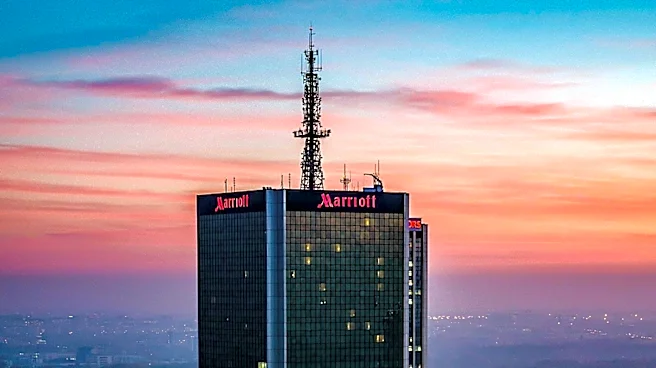
Marriott International, the world's largest hotel company, is actively promoting a work environment focused on associate well-being, career development, and diversity across its portfolio of brands, including JW Marriott and Marriott Hotels. The company highlights
opportunities for training, recognition, and growth within its global network. Marriott Hotels, as the flagship brand, is committed to innovation and fostering a collaborative team culture where associates are empowered and valued. Similarly, JW Marriott emphasizes that associate happiness directly contributes to guest satisfaction, offering a luxury work experience with a focus on holistic well-being. The company provides benefits such as staff discounts, flexible working hours, sabbatical leave, and an Employee Assistance Program, underscoring its commitment to putting people first for over 90 years.
Why It's Important?
This focus on associate well-being and career development by Marriott International is significant for the U.S. hospitality industry, which often faces challenges with employee retention and satisfaction. By investing in its workforce through training, development, and comprehensive benefits, Marriott aims to cultivate a stable and motivated employee base. This approach can lead to higher service quality, enhancing the guest experience and strengthening the brand's competitive edge. For employees, it offers clear pathways for professional growth and a supportive work environment, potentially attracting top talent to the sector. The emphasis on diversity and inclusion also sets a standard for other companies, promoting a more equitable and representative workforce within the U.S. and globally.
What's Next?
Marriott International is expected to continue its efforts in associate development and well-being, potentially expanding its programs and benefits to further enhance employee engagement and retention. The company's commitment to innovation in hospitality, driven by a satisfied workforce, suggests ongoing improvements in guest services and operational efficiency. Other hospitality companies in the U.S. may observe Marriott's strategies and potentially adopt similar approaches to attract and retain talent in a competitive market. This could lead to a broader industry trend of prioritizing employee welfare as a key component of business success and customer satisfaction.
Beyond the Headlines
The emphasis on associate well-being and development by a major global player like Marriott International reflects a broader shift in corporate philosophy, recognizing human capital as a critical asset. This goes beyond mere employee benefits, touching upon the ethical responsibility of corporations to foster a supportive and growth-oriented environment. It also highlights the evolving understanding that a positive internal culture directly translates to external success and brand reputation. In an era where employee experience is increasingly scrutinized, Marriott's approach could influence industry-wide standards, promoting a more humane and sustainable model for employment in the service sector, impacting not just the U.S. but also global labor practices.