
What's Happening?
Several well-capitalized satellite companies are moving to acquire or develop their own rocket launch capabilities, signaling a shift away from relying solely on third-party launch services. This trend
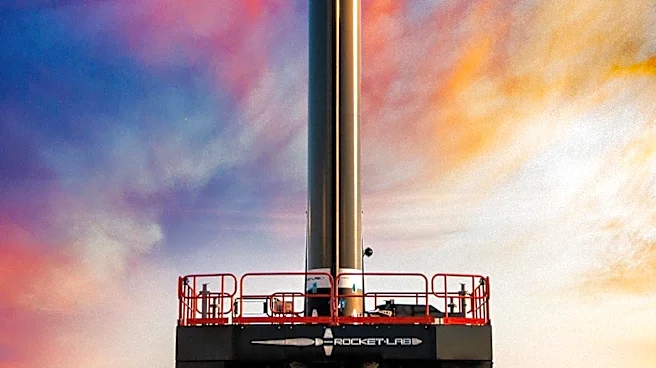
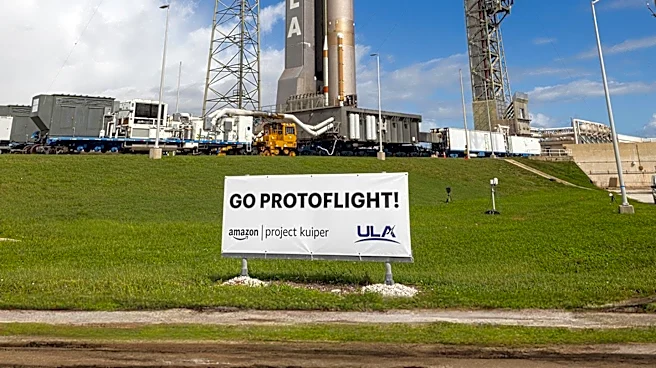
is highlighted by AST SpaceMobile's decision to build its own Blacklift rocket, ICEYE's offer to acquire Avio (maker of Europe's Vega C rocket), and Rocket Lab's pending acquisition of Iridium. These moves come amidst a tightening launch market, with SpaceX reportedly ceasing new rideshare reservations beyond late 2028 or early 2029, and other launch providers experiencing delays and failures. For instance, a United Launch Alliance Vulcan rocket carrying Amazon satellites recently failed, and Blue Origin's New Glenn has been grounded. This environment is creating a 'panic mode' for satellite operators seeking launch capacity in 2028 and 2029, particularly for those without significant capital to secure dedicated launch solutions.
Why It's Important?
This strategic shift by satellite operators has significant implications for the U.S. space industry and global satellite deployment. It suggests a growing lack of confidence in the reliability and availability of commercial launch services, pushing major players towards vertical integration. This could lead to increased competition among integrated space companies, potentially consolidating power among those who can afford to own both satellites and launch vehicles. Smaller satellite operators and startups, unable to invest in their own rockets, may face significant challenges in securing launch slots, potentially hindering innovation and market entry. The trend also highlights the critical need for robust and reliable launch infrastructure to support the burgeoning satellite industry, impacting national security and commercial space endeavors.
What's Next?
The immediate future will likely see continued scrutiny of existing launch providers and increased investment in new rocket development by satellite companies. The outcome of ICEYE's bid for Avio and the regulatory approvals for Rocket Lab's acquisition of Iridium will be key indicators of this trend's momentum. Additionally, the findings from the ongoing investigation into the ULA Vulcan failure will influence confidence in current launch services. New launch vehicles from companies like Stoke Space and Isar Aerospace are anticipated before the end of the decade, which could alleviate some of the capacity crunch. However, the practical effect is that investors and government customers will increasingly demand clear launch plans from constellation operators for 2029 and beyond, favoring those with integrated solutions.
Beyond the Headlines
This trend could reshape the competitive landscape of the space industry, moving towards a model where integrated 'space stacks' (satellite, service, and launch) become the norm for major players. This vertical integration could lead to greater efficiency and control for these companies but might also create higher barriers to entry for new ventures. Ethically, it raises questions about market access and fairness for smaller entities in the space economy. Legally, regulatory bodies in the U.S. and internationally will need to adapt to this evolving market structure, potentially addressing antitrust concerns or ensuring equitable access to space for all participants. Long-term, this could foster a more resilient but potentially less diverse space ecosystem, with significant implications for global communication, Earth observation, and defense capabilities.