

What's Happening?
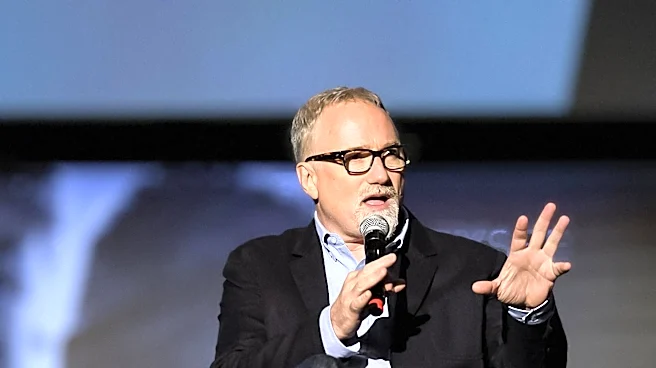
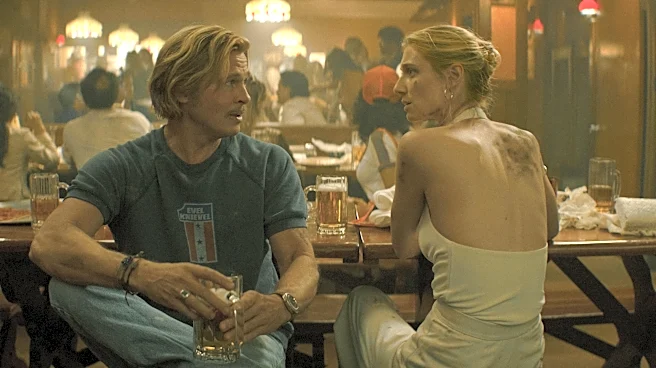
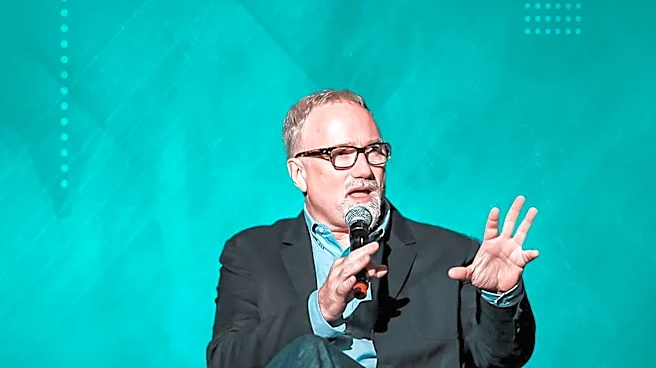
David Fincher's new film, 'The Further Mis-Adventures of Cliff Booth,' is encountering significant backlash from audiences due to its use of Artificial Intelligence (AI) in production. Fincher has openly discussed employing AI for specific shots and to synchronize
actors' lip movements with replacement dialogue, a technique he described as working with 'plasticine' rather than 'chiseling out of marble.' This approach allowed for greater flexibility in combining visual takes with different audio recordings. Despite the director's transparency, some fans are expressing strong disapproval, with the film reportedly being 'review-bombed' on platforms like Letterboxd, where half-star ratings are accompanied by comments criticizing the AI use as 'revolting.' The AI elements were primarily noted in clips from fictional period TV shows featured within the movie, which some viewers found to be a minor flaw, while others considered it a significant issue.
Why It's Important?
The controversy surrounding 'Cliff Booth' highlights a growing tension within the entertainment industry regarding the adoption of AI technologies. This backlash underscores audience concerns about the authenticity and artistic integrity of filmmaking when AI is integrated into the creative process. For Hollywood, this event signals a potential challenge in balancing technological advancement with audience expectations and traditional cinematic values. The use of AI, even for seemingly minor adjustments like lip-syncing or specific visual effects, can be perceived as a 'mortal sin' by some fans, indicating a strong emotional and ethical component to this debate. This could influence future production decisions, potentially leading studios and directors to be more cautious or transparent about their AI usage to avoid similar negative reactions and protect box office and streaming performance. The incident also raises questions about the future role of human artistry versus AI assistance in creative fields.
What's Next?
The ongoing audience reaction to 'Cliff Booth' could prompt further discussions within the film industry about ethical guidelines and best practices for AI integration. Directors and studios may need to consider how to communicate their use of AI to the public in a way that mitigates negative perceptions. The film's performance, particularly its audience scores on review sites and streaming platforms, will likely be closely monitored as an indicator of how AI use impacts commercial success. This situation might also encourage more open dialogue among filmmakers, technologists, and audiences about the acceptable boundaries of AI in creative works. Furthermore, the debate could accelerate the development of industry standards or even regulatory frameworks concerning AI in content creation, especially as the technology becomes more sophisticated and pervasive.
Beyond the Headlines
The 'Cliff Booth' controversy touches upon deeper philosophical and cultural implications regarding the nature of art and authorship in the age of AI. The strong negative reactions suggest a societal discomfort with the idea of machines contributing to or altering human creative expression, raising questions about what constitutes 'authentic' art. This extends beyond filmmaking to other creative domains, potentially influencing how audiences perceive music, literature, and visual arts produced with AI assistance. The debate also highlights the economic pressures on big-budget productions, where AI might be seen as a tool to manage costs or enhance efficiency, but at the risk of alienating a segment of the audience. This tension between technological progress, economic viability, and artistic integrity will likely be a defining characteristic of the entertainment industry in the coming years, prompting a re-evaluation of the relationship between creators, technology, and their audience.