







What's Happening?
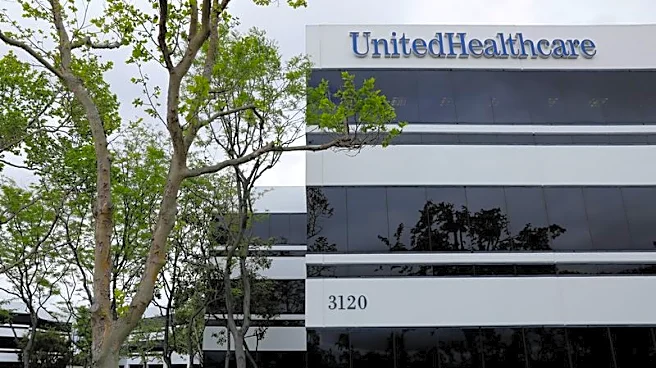
UnitedHealthcare has expressed concerns over the effectiveness of the No Surprises Act's independent dispute resolution (IDR) process. During an earnings call, Dan Kueter, CEO of UnitedHealthcare Employer and Individual, described the process as 'ineffective'
and 'exploited by select providers and geographies.' The IDR process, intended to resolve billing disputes, has seen a significant increase in submissions, far exceeding initial projections. Kueter highlighted that a large portion of claims are ineligible for IDR, and payouts often exceed Medicare rates by a substantial margin. The process has become a financial burden on the commercial market, prompting calls for reform.
Why It's Important?
The criticism from UnitedHealthcare underscores the challenges faced by insurers in managing healthcare costs and protecting consumers from surprise medical bills. The IDR process, as it currently operates, may incentivize providers to remain out-of-network, leveraging the system for higher payouts. This situation could lead to increased healthcare costs for insurers and consumers alike. The call for reform reflects a broader industry consensus that the current system does not align with the original intent of the No Surprises Act, which aimed to protect consumers and reduce healthcare expenses.
What's Next?
The ongoing debate over the IDR process is likely to prompt further scrutiny and potential legislative action. Insurers and industry groups are advocating for policy changes to address the perceived inefficiencies and abuses within the system. Lawmakers may consider revisiting the No Surprises Act to ensure it effectively protects consumers and controls costs. The outcome of these discussions could lead to significant changes in how billing disputes are resolved, impacting both providers and payers.