





What's Happening?
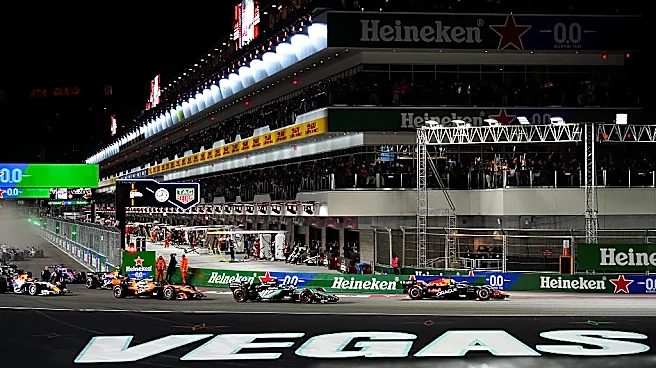
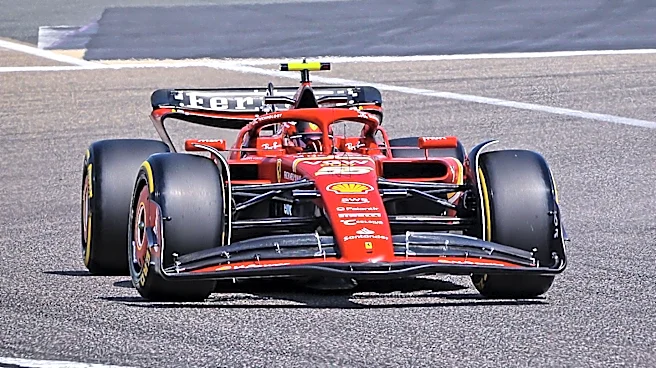
Ferrari's Formula 1 team is withholding details regarding a 'solution' to ongoing clashes between drivers Charles Leclerc and Lewis Hamilton. The two drivers recently discussed their collision at the Las Vegas Grand Prix in Qatar, an incident for which
Leclerc received a 10-second penalty, deemed 'unacceptable' by team principal Fred Vasseur. This latest incident follows a series of controversial run-ins between Leclerc and Hamilton earlier in the year, including at Monza and in Mexico. Both drivers have acknowledged the need for a resolution, with Leclerc stating, 'It's just important that we find a compromise and a solution that works for both.' Hamilton described their talks as 'positive' but, like Leclerc, declined to disclose specifics, emphasizing that 'Everything stays internal.' Ferrari's reluctance to reveal potential new racing rules is likely to avoid criticism if those rules are not strictly adhered to in upcoming races.
Why It's Important?
The ongoing tension and collisions between Ferrari's drivers, Charles Leclerc and Lewis Hamilton, carry significant implications for the team's performance and public image in the highly competitive Formula 1 circuit. Such internal conflicts can undermine team morale, distract from strategic race planning, and ultimately impact their standing in the Constructors' Championship. For Ferrari, a brand synonymous with racing excellence, repeated incidents between its top drivers can damage its reputation and potentially deter future talent. The lack of transparency regarding a 'solution' could lead to speculation and increased scrutiny from fans and media, placing additional pressure on the team. Resolving these issues is crucial for Ferrari to maintain its competitive edge and project a unified front, especially as they aim to return to the top of the sport.
What's Next?
While Ferrari has not disclosed specific measures, the internal discussions between Charles Leclerc and Lewis Hamilton suggest an effort to address their on-track conflicts. The team's decision to keep these details private indicates a cautious approach, likely to prevent further public scrutiny or potential backlash if new rules are not consistently enforced. The focus will now shift to the upcoming races, where the effectiveness of these internal discussions will be tested. Observers will be watching closely to see if the frequency and intensity of driver clashes diminish. Should incidents persist, Ferrari may face renewed pressure to implement more stringent team orders or publicly outline a clear strategy for managing driver competition, potentially impacting their championship aspirations and team dynamics.
Beyond the Headlines
The situation at Ferrari highlights a recurring challenge in competitive motorsports: balancing individual driver ambition with team objectives. The 'unacceptable' nature of the collisions, as described by Fred Vasseur, underscores the ethical and professional responsibilities drivers have to their team. The reluctance to disclose a 'solution' also touches upon the strategic communication challenges faced by high-profile sports organizations. Maintaining internal discipline while managing public perception is a delicate act. This dynamic could influence how other Formula 1 teams manage their driver pairings, potentially leading to more explicit team policies or contractual clauses designed to prevent similar internal conflicts. The long-term impact on Ferrari's team culture and its ability to attract and retain top talent will depend on how effectively they navigate this period of internal strife.