


What's Happening?
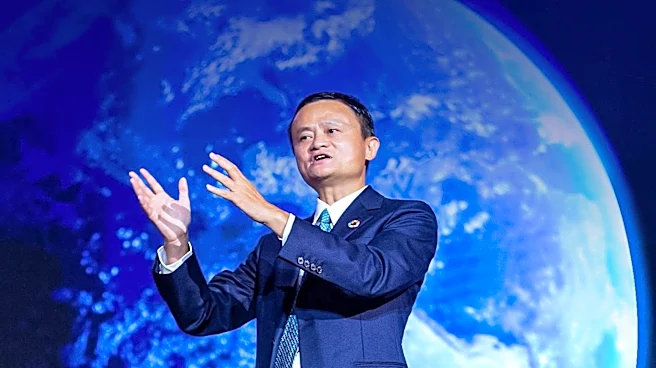
In 2020, Jack Ma, then China’s most prominent entrepreneur, publicly criticized China’s financial system, describing banks as having a 'pawnshop mentality.' This criticism was followed by the suspension of Ant Group's record-breaking $37 billion IPO.
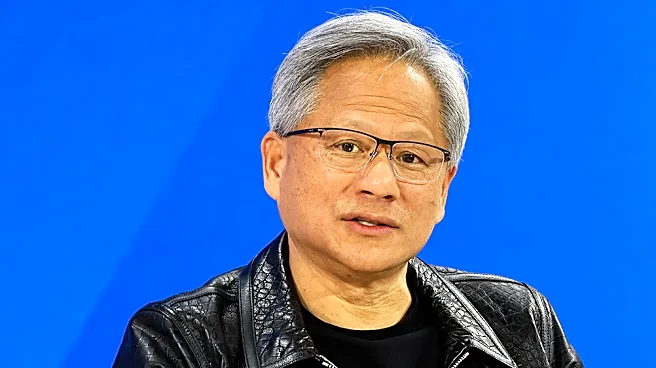
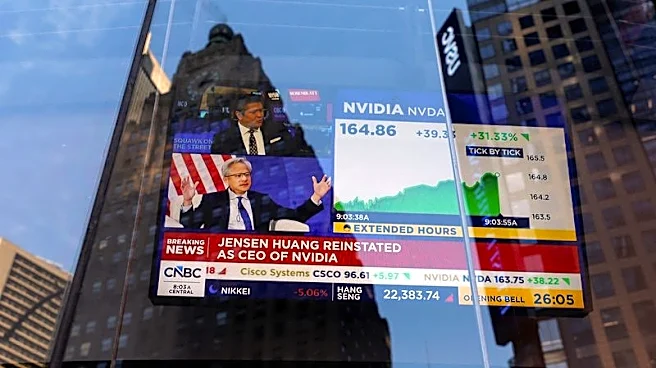
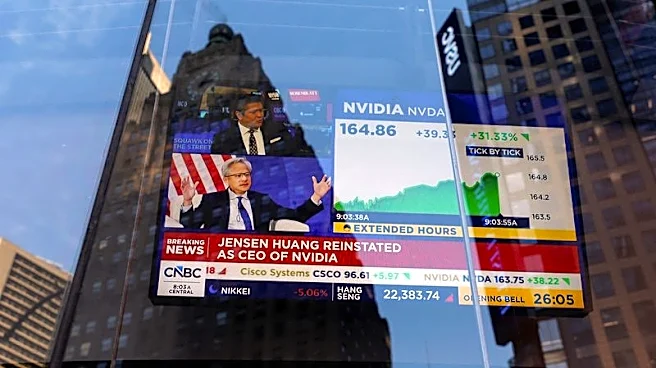
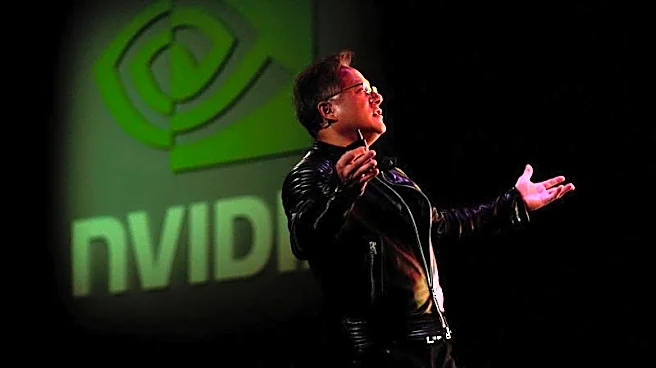
A comprehensive regulatory crackdown ensued, leading to Ma's significant withdrawal from public life. While his speech was a catalyst, the source indicates that Ant Group also faced legitimate regulatory inquiries. The incident highlights a contrast with other entrepreneurial figures, such as Jensen Huang, who received public support from figures like Elon Musk during his own challenges. Ma's rise was significantly enabled by government support, and his fortune was built within the government-supported financial system, making his criticism and subsequent regulatory response a complex issue.
Why It's Important?
This event is important because it illustrates the significant risks entrepreneurs face when challenging established government or financial systems, particularly in contexts where government support plays a crucial role in their success. Ma's disappearance from public view and the regulatory crackdown on Ant Group sent a clear message about the limits of entrepreneurial freedom and public criticism within China. It also underscores the potential for rapid shifts in regulatory environments to impact major businesses and their founders. The comparison with Jensen Huang's situation suggests that the presence of public defenders or a different institutional framework can significantly alter the outcome for entrepreneurs facing scrutiny. This incident could influence how other entrepreneurs in similar environments approach public discourse and regulatory compliance, potentially fostering a more cautious approach to criticism.
What's Next?
The long-term implications of Jack Ma's experience could include a more subdued entrepreneurial landscape in China, where founders might be less inclined to publicly challenge government policies or financial institutions. The incident may lead to increased self-censorship among business leaders to avoid similar regulatory repercussions. For Ant Group and other large tech companies, continued stringent regulatory oversight is likely, potentially impacting their growth strategies and innovation. The event also serves as a case study for international businesses and investors regarding the operational risks and political sensitivities involved in operating within China's economic framework. Future developments will likely involve a continued balancing act between fostering innovation and maintaining regulatory control.
Beyond the Headlines
Beyond the immediate regulatory and business impacts, Jack Ma's story raises deeper questions about the nature of entrepreneurship and state control. It highlights the ethical and practical dilemmas faced by entrepreneurs whose success is intertwined with government support, and the potential for that support to be withdrawn or turned into a mechanism of control. The incident also touches upon the cultural dimensions of accountability and the role of public discourse in different societies. The absence of a public defender for Ma, unlike for Jensen Huang, suggests a fundamental difference in how entrepreneurial challenges are navigated and resolved, potentially impacting the spirit of innovation and risk-taking within the entrepreneurial ecosystem. This event could contribute to a broader re-evaluation of the relationship between powerful business figures and state authority.