




What's Happening?
Faith Ellis, a certified kettlebell specialist and founder of The KettleBelle, advocates for kettlebells as a superior tool for building core strength beyond traditional exercises like crunches. According to Ellis, true core strength is fundamental for total-body
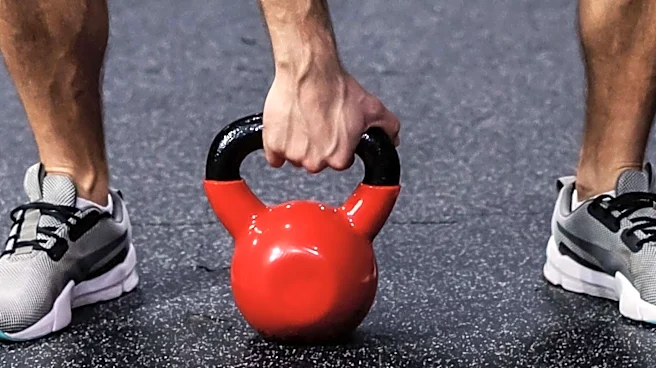
stability, spinal protection, and powerful movement. She highlights that kettlebells are inherently asymmetrical and dynamic, with their center of mass displaced from the handle. This unique design forces deep stabilizing muscles, such as the transverse abdominis and obliques, to constantly engage to maintain balance. Ellis asserts that every kettlebell movement actively engages the core. She specifically recommends three kettlebell exercises: the plank kettlebell drag, kettlebell halo, and kettlebell snatch, to challenge strength and stability effectively. These exercises are designed to promote trunk stability, dynamic stability, and full-body power, respectively, by requiring constant core engagement and reaction to shifting weight.
Why It's Important?
This approach to core training is significant because it shifts focus from superficial abdominal muscles to deeper stabilizing muscles, which are crucial for overall physical health and injury prevention. By emphasizing functional core strength, individuals can improve their posture, reduce the risk of lower back pain, and enhance their performance in daily activities and other physical endeavors. The dynamic nature of kettlebell workouts also contributes to improved balance and coordination, which are vital for people of all ages, particularly as they age. For athletes, a strong, stable core built through these methods can translate to more powerful and efficient movements, reducing the likelihood of injuries during high-impact activities. This method offers a more holistic and effective alternative to conventional core exercises, promoting long-term physical well-being and functional fitness.
What's Next?
Individuals looking to enhance their core strength may consider incorporating kettlebell training into their fitness routines, guided by certified specialists or reputable resources. Fitness professionals and trainers might explore integrating these kettlebell-specific exercises into their client programs, recognizing the benefits of dynamic and asymmetrical training for comprehensive core development. The fitness industry could see a continued trend towards functional training tools like kettlebells, moving away from isolated muscle group exercises. Further research into the long-term benefits of kettlebell training for core stability and injury prevention could also emerge, providing more evidence-based recommendations for exercise protocols. As awareness grows, more fitness apps and communities may focus on specialized kettlebell training programs, making these techniques more accessible to a wider audience.
Beyond the Headlines
The emphasis on functional core strength through kettlebells reflects a broader evolution in fitness philosophy, moving beyond aesthetics to prioritize practical, real-world physical capabilities. This shift highlights the understanding that a strong core is not just about a 'six-pack' but about the body's ability to move efficiently, safely, and powerfully in all planes of motion. Ethically, promoting exercises that enhance stability and prevent injury aligns with a more responsible approach to fitness, encouraging sustainable health rather than short-term cosmetic goals. Culturally, as people become more health-conscious, there's a growing appreciation for exercise modalities that offer comprehensive benefits, contributing to a more resilient and capable population. This approach also underscores the importance of proper form and expert guidance in using specialized equipment like kettlebells to maximize benefits and minimize risks.