
What's Happening?
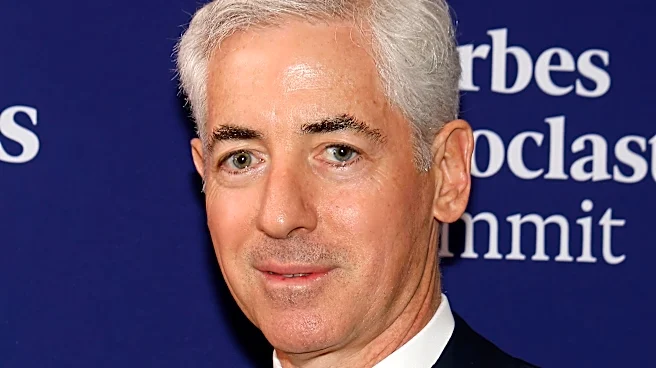
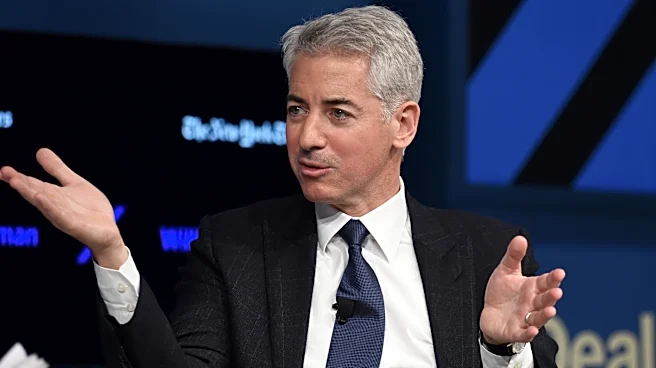
Hedge fund billionaire Bill Ackman, CEO of Pershing Square, publicly endorsed William D. Cohan’s 2026 book, 'Money to Burn,' on Thanksgiving Day, November 26, 2026. The book details the history of Apollo
Global Management and its co-founder Leon Black, from the firm's inception after the collapse of Drexel Burnham Lambert to Black's eventual departure. Ackman described the book as 'movie-worthy' on X, noting his interest in Wall Street narratives involving individuals he knows. The book covers the independent review by law firm Dechert in January 2021, which found that Black paid Jeffrey Epstein $158 million for tax and estate planning advice between 2012 and 2017, but found no evidence of Black's involvement in Epstein's criminal activities. Black resigned from Apollo on March 22, 2021. This endorsement follows a similar recommendation from Anthony Scaramucci, founder of SkyBridge Capital, in September.
Why It's Important?
Ackman's endorsement of 'Money to Burn' draws significant attention to critical issues within the financial industry, particularly corporate governance, founder control, and the evolving landscape of private credit. The book's focus on Apollo Global Management's transformation from a distressed debt firm to one heavily reliant on an insurance business for lending places it at the center of ongoing debates about the risks associated with private credit models. For CEOs and financial leaders, the book offers insights into how boards handle internal investigations and the complexities surrounding a founder's exit. The public discussion around such a book, especially when endorsed by prominent figures like Ackman, can influence investor sentiment, regulatory scrutiny, and the broader conversation about accountability and ethical conduct in high finance. It also highlights a trend among executives to read about past financial events and corporate conduct to inform their understanding of current market dynamics.
What's Next?
The continued discussion around 'Money to Burn' and similar books on corporate conduct is likely to fuel further conversations among financial executives, board members, and investors regarding best practices in governance and risk management. The book's themes, particularly those concerning founder control and the private credit model, may prompt increased scrutiny from regulators and industry analysts. As the year concludes, the Financial Times and Standard Chartered Business Book of the Year award announcement on December 2, 2026, could further amplify discussions on relevant financial literature. The ongoing interest in books that explore past financial crises and leadership under pressure suggests that these themes will remain pertinent for decision-makers navigating complex economic environments.
Beyond the Headlines
The appeal of 'Money to Burn' extends beyond a simple recounting of financial history; it delves into the ethical and structural challenges inherent in powerful financial institutions. The book implicitly raises questions about the extent of due diligence, the influence of prominent figures, and the mechanisms of accountability within large firms. The fact that CEOs and billionaires are gravitating towards books on corporate conduct and past financial crashes suggests a deeper introspection within the industry about systemic risks and leadership responsibilities. This trend could signify a cultural shift towards greater transparency and a more critical examination of business practices, especially as new financial models like private credit gain prominence. The narrative of Leon Black's departure, following an independent review, underscores the evolving standards of corporate responsibility and the increasing pressure on leaders to maintain public trust.