



What's Happening?
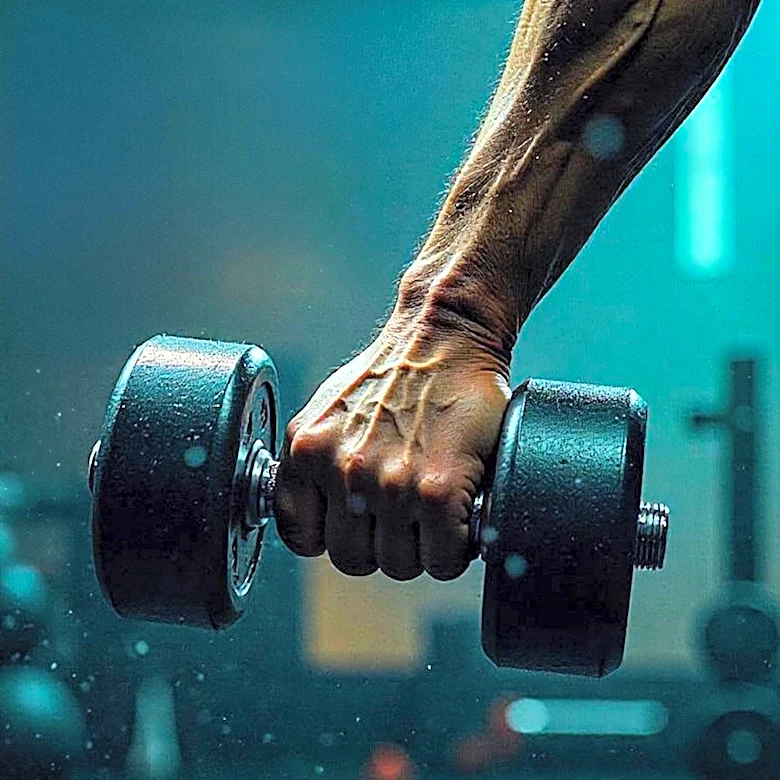
Sohee Lee has released a comprehensive guide for women new to weightlifting, focusing on essential exercises and proper form. The guide, detailed in a recent episode, addresses common misconceptions about women and weightlifting, such as fears of becoming
bulky. Lee emphasizes that strength training can enhance feminine features, improve posture, and boost overall health. She provides practical advice on foundational principles, including correct technique for exercises like squats, deadlifts, presses, and rows. The guide recommends starting with lighter weights to master form before gradually increasing intensity, highlighting the importance of patience and consistency. It also covers structuring beginner-friendly workout routines, suggesting 2-3 full-body sessions per week and the principle of progressive overload for continuous improvement.
Why It's Important?
This guide is important for promoting safe and effective strength training among women, a demographic often hesitant to engage in weightlifting due to societal misconceptions. By debunking myths and providing clear, actionable advice, Sohee Lee empowers women to pursue a form of exercise with significant health benefits. Increased participation in weightlifting can lead to improved bone density, better weight management, enhanced cardiovascular health, and reduced stress. From a broader health perspective, encouraging proper technique from the outset can reduce injury rates, making fitness more accessible and sustainable. This initiative contributes to a more informed public regarding exercise science and challenges gender stereotypes in fitness, potentially leading to a healthier and more confident female population.
What's Next?
The guide's release is expected to encourage more women to explore weightlifting, potentially increasing demand for qualified personal trainers and gym memberships that cater to beginner female lifters. Fitness professionals and gym owners may adapt their programs to incorporate Lee's recommendations, focusing on foundational movements and progressive overload. The emphasis on proper nutrition, hydration, and recovery within the guide suggests a growing trend towards holistic fitness approaches. Future developments might include more specialized programs or follow-up guides from Lee, addressing intermediate or advanced weightlifting techniques for women. The broader fitness industry may see a shift towards more inclusive and educational content, moving away from intimidating or overly aggressive training philosophies.
Beyond the Headlines
The guide's focus on mental health and motivation, alongside physical benefits, highlights a deeper cultural shift in how fitness is perceived. By emphasizing confidence, self-esteem, and positive body image, Lee connects physical activity with psychological well-being, moving beyond purely aesthetic goals. This approach can foster a more sustainable and positive relationship with exercise, reducing the pressure often associated with fitness. Furthermore, by encouraging women to focus on personal progress rather than comparison, the guide subtly challenges the competitive and often superficial aspects of fitness culture. This could lead to a more supportive and less judgmental environment within gyms and online fitness communities, promoting long-term adherence to healthy lifestyles.