





What's Happening?
Starting a vegetable garden for beginners involves several key steps, according to gardening experts. The process begins with careful planning of the garden layout, which helps in efficient space utilization. It is crucial to select a level, well-drained
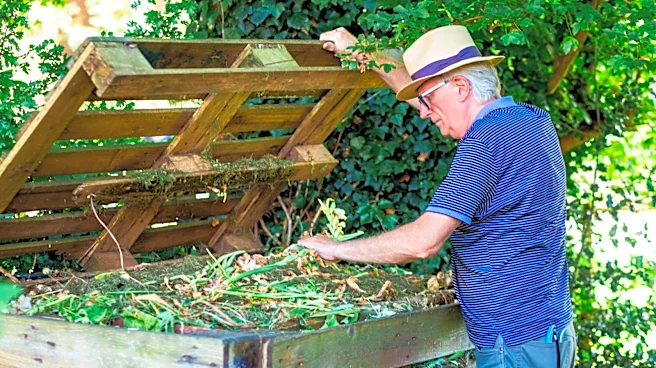
location that receives ample sunlight, with fruiting vegetables like tomatoes, peppers, melons, and squash typically requiring six to eight hours of sun daily. A simple layout, whether rows, individual beds, or raised beds, is recommended for ease of organization, watering, and maintenance. Adequate spacing between plants is essential for growth and accessibility, and taller plants should be positioned to avoid shading shorter crops. For small areas, vertical gardening can maximize space. Following layout planning, soil preparation is the next critical step. This involves removing weeds, grass, stones, and other debris from the planting area. Loosening compacted soil is necessary to facilitate root growth. Incorporating mature compost or suitable organic matter is advised to improve soil structure and provide a growing medium that drains well while retaining sufficient moisture. These foundational steps aim to simplify the gardening process for newcomers, making it manageable and less overwhelming.
Why It's Important?
The guidance for beginner vegetable gardeners is important for fostering sustainable practices and promoting local food production at a household level. By emphasizing simple planning and proper soil preparation, it empowers individuals to successfully grow their own produce, which can lead to increased food security and healthier eating habits within communities. The focus on choosing appropriate locations and preparing soil correctly minimizes early failures, encouraging continued engagement in gardening. This can reduce reliance on commercial food systems and potentially lower household grocery expenses. Furthermore, engaging in gardening activities offers mental and physical health benefits, contributing to overall well-being. The advice on vertical gardening and efficient space use is particularly relevant for urban dwellers or those with limited outdoor areas, making gardening accessible to a broader demographic. Successful home gardening can also contribute to environmental benefits by reducing food miles and promoting biodiversity in residential areas.
What's Next?
Beginner gardeners are encouraged to select vegetables that are easy to manage and suit their local growing conditions and available space. After planning and soil preparation, the next steps involve planting vegetables from seeds or seedlings, following specific instructions for depth and spacing. Labeling crops after planting is recommended for easy identification and tracking. Consistent watering, based on soil moisture needs rather than a fixed schedule, is crucial, with emphasis on watering the base of plants to avoid overwatering. Regular garden maintenance, including weeding, checking for pests, and adding mulch, is essential for plant health. Gardeners should also learn the optimal planting and harvesting times for their chosen crops, guided by local climate information and seed packet recommendations. Starting with a small, manageable area and gradually expanding as experience is gained is advised to prevent overwhelm and ensure a positive gardening experience.
Beyond the Headlines
Beyond the immediate benefits of fresh produce, the emphasis on foundational gardening skills like planning and soil health has broader implications for ecological literacy and community resilience. Understanding soil composition and the role of organic matter can lead to a deeper appreciation for natural ecosystems and sustainable land management. The act of gardening itself can foster a connection to nature, promoting mindfulness and reducing stress in an increasingly urbanized world. Furthermore, successful home gardening can inspire community gardens and local food initiatives, strengthening social bonds and creating more resilient local food systems. The knowledge gained from starting a small vegetable garden can also translate into broader environmental stewardship, encouraging individuals to consider the ecological impact of their consumption choices and to advocate for more sustainable practices in their communities. This foundational guidance is not just about growing vegetables; it's about cultivating a more informed, engaged, and sustainable citizenry.