






What's Happening?
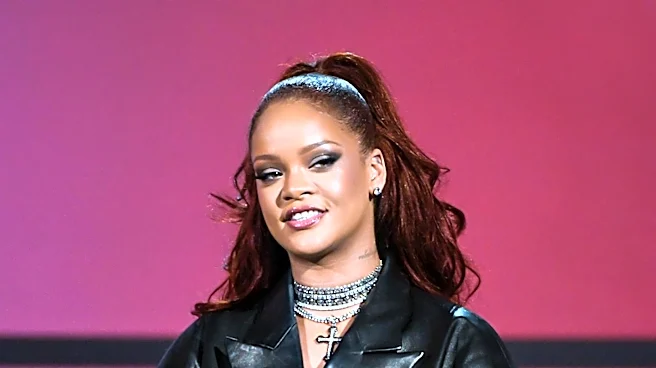
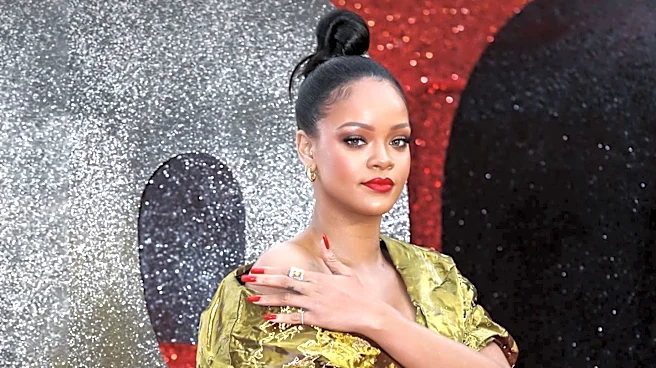
DJ Akademiks has offered an alleged explanation for Rihanna's prolonged absence from the music scene, suggesting that her focus on product sales has been more financially beneficial than releasing new albums. According to Akademiks, Rihanna, who is signed
to Roc Nation, has found selling products to be a more lucrative endeavor. Her last album, 'ANTI,' was released in 2016. This commentary from Akademiks follows a broader discussion initiated by Meek Mill regarding music industry deals and artists' ability to exit them. Meek Mill's recent complaints about Live Nation's impact on his touring capabilities and his inability to terminate his contract have brought renewed attention to the complexities of artist agreements. Akademiks claims that many artists, including Meek Mill, received similar contracts during the COVID-19 pandemic and are currently waiting to recoup their investments, which ties them to their existing deals.
Why It's Important?
This situation highlights the evolving landscape of the music industry, where artists like Rihanna may prioritize entrepreneurial ventures over traditional music releases due to greater financial returns. It underscores a potential shift in how artists monetize their brands, moving beyond album sales to focus on product lines and other business endeavors. The discussion also sheds light on the restrictive nature of some music industry contracts, particularly those with entities like Live Nation and Roc Nation. If Akademiks' allegations are accurate, it suggests that artists might be bound by long-term deals that limit their creative and financial autonomy, potentially impacting their ability to release new music or tour freely. This could have significant implications for artist-label relationships and the overall structure of the entertainment business, prompting a reevaluation of contract terms and artist rights.
What's Next?
DJ Akademiks suggests that a looming deadline in Rihanna's contract might soon make a return to music more appealing for her. If this proves true, fans could anticipate new music from the artist in the near future. However, these claims remain unconfirmed, as neither Roc Nation nor Rihanna have publicly commented on Akademiks' statements. The ongoing debate surrounding music industry deals, sparked by Meek Mill's criticisms of Live Nation, is likely to continue. This could lead to increased scrutiny of artist contracts and potentially inspire other artists to voice concerns about their own agreements. The outcome of these discussions could influence future contract negotiations and potentially lead to reforms in how artists are compensated and managed within the music industry.
Beyond the Headlines
The alleged reasons behind Rihanna's music hiatus point to a broader trend where celebrity influence extends beyond their primary artistic field into diverse business ventures. This phenomenon, often driven by the desire for greater financial control and diversification of income streams, challenges the traditional model of artist career progression. It raises questions about the long-term impact on artistic output when commercial interests outside of music become more dominant. Furthermore, the renewed focus on restrictive music contracts, as highlighted by Meek Mill and Akademiks, could spark a movement for greater transparency and fairness in artist agreements. This could lead to legal challenges or industry-wide discussions about ethical contracting practices, potentially reshaping the power dynamics between artists and major entertainment corporations. The shift could also encourage artists to explore independent avenues for music distribution and brand building.