





What's Happening?
AI image-to-video technology is revolutionizing how fashion brands create content, enabling them to generate more diverse visual assets from a single photoshoot. This innovation addresses the challenge of needing various content formats for different
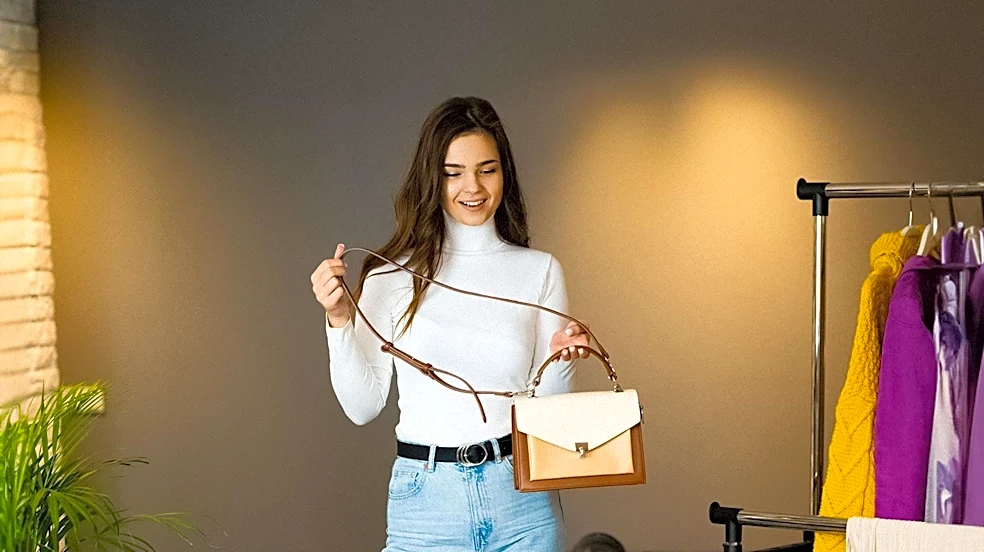
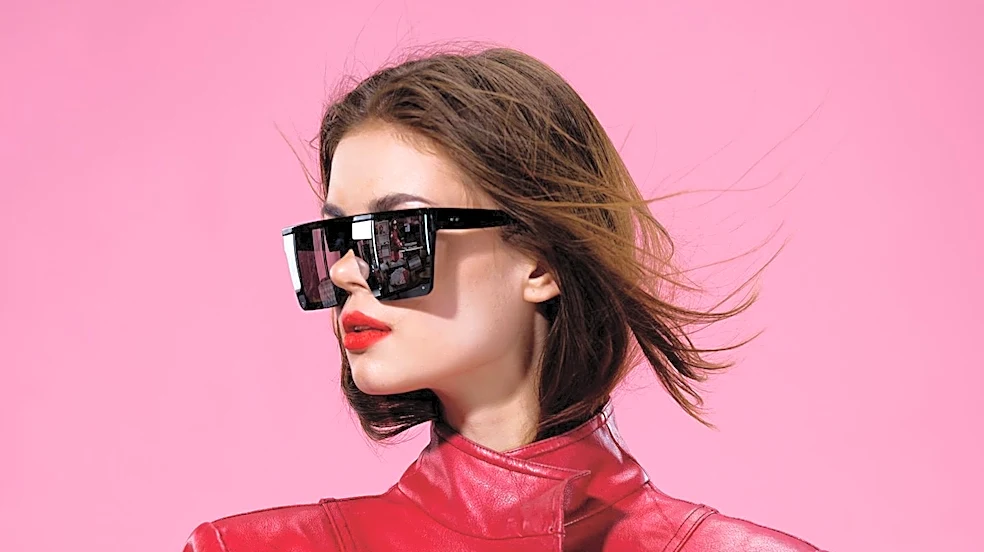
platforms, such as websites, Instagram Reels, TikTok, and email campaigns, without the expense and time of multiple video shoots. Instead of creating new video content from scratch, brands can now use existing high-quality fashion photographs as a foundation for animated clips. The process involves selecting strong images, defining desired motion through prompts (e.g., 'slow cinematic camera movement,' 'subtle fabric movement'), and generating multiple video variations. This allows a single image to produce several dynamic assets, extending the lifespan and utility of original photoshoot investments.
Why It's Important?
This technological advancement is crucial for the fashion industry, which relies heavily on visual marketing and content velocity. Traditional photoshoots, while producing excellent still images, often fall short in meeting the demand for engaging video content across numerous digital channels. AI image-to-video tools offer a cost-effective and efficient solution, allowing brands to maximize their creative investments. By transforming static images into dynamic videos, fashion companies can maintain a consistent brand aesthetic while adapting to platform-specific content requirements. This efficiency is particularly vital in a competitive market where rapid content deployment and audience engagement are key to brand visibility and sales. The ability to experiment with different motion concepts without additional production costs also empowers creative teams to innovate more freely.
What's Next?
The adoption of AI image-to-video technology is expected to continue growing within the fashion industry, with more brands integrating it into their content creation workflows. The focus will be on refining the process, selecting optimal source images, and crafting precise motion prompts to achieve desired visual outcomes. Brands will likely invest in training their creative teams to leverage these tools effectively, ensuring that AI-generated videos maintain brand consistency and quality. As the technology evolves, it may offer even more sophisticated animation capabilities, further blurring the lines between still photography and video. This shift will necessitate a re-evaluation of traditional photoshoot strategies, with an increased emphasis on capturing images that are well-suited for AI-driven animation, making the photoshoot the beginning of a content lifecycle rather than its end.
Beyond the Headlines
The rise of AI image-to-video technology in fashion raises deeper questions about creativity, authenticity, and the future of human roles in content production. While AI offers efficiency, it also prompts discussions on maintaining artistic integrity and avoiding generic or unnatural outputs. Brands must carefully consider the ethical implications of AI-generated content, particularly regarding transparency with consumers about how imagery is produced. The technology also highlights the evolving skill set required in the fashion industry, where a blend of traditional creative expertise and digital proficiency is becoming indispensable. Ultimately, AI is not replacing photographers or creative directors but rather augmenting their capabilities, allowing them to extend their vision and reach across a wider array of media, thereby transforming the very nature of fashion storytelling.