
What's Happening?
The integration of smart technology into home fitness and spa equipment is transforming personal wellness routines, particularly for individuals with limited space. Modern home gym solutions, such as the
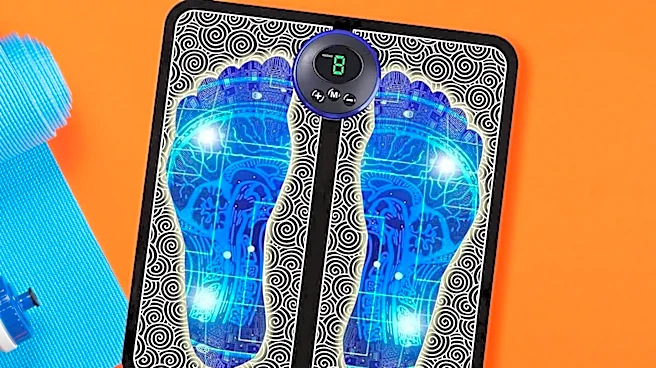
AEKE K1 gym, condense extensive workout capabilities into compact designs, offering electronic weight resistance, 4K touchscreens, and virtual instructors. Beyond exercise, smart spa tools like the Clearlight Bundle, which includes a sauna dome, PEMF mat, and red light therapy tower, provide restorative benefits such as muscle recovery and improved sleep. These devices aim to replicate the comprehensive experience of a commercial gym and spa within a home setting, addressing common barriers like commute times and membership costs. The focus is on sleek design and advanced technology to make at-home wellness both effective and aesthetically pleasing, fitting into smaller living spaces without clutter.
Why It's Important?
This shift towards smart, compact home fitness and spa solutions is significant for the wellness industry and consumers. It democratizes access to high-end fitness and recovery tools, making them available to a broader audience who may not have the time, resources, or space for traditional gym memberships or spa visits. The emphasis on data-driven insights, such as heart rate variability (HRV) analysis from tools like Welltory, allows users to optimize their workouts and recovery, preventing overtraining and burnout. This trend also highlights a growing consumer demand for convenience and personalized wellness experiences, pushing manufacturers to innovate in terms of space-saving designs and multi-functional equipment. The long-term impact could include a reduction in reliance on external fitness facilities and a greater emphasis on holistic well-being managed from home.
What's Next?
The market for smart home gym and spa equipment is expected to continue its growth, with further advancements in AI-driven personalization and integration with broader smart home ecosystems. Future developments may include more sophisticated virtual coaching, enhanced biometric tracking, and even more compact, multi-purpose devices that seamlessly blend into home environments. As technology evolves, these tools could offer more predictive analytics for health and fitness, guiding users proactively rather than reactively. We may also see increased adoption of subscription-based content and personalized programs delivered through these smart devices, creating ongoing revenue streams for manufacturers and a continuous stream of updated wellness experiences for users. The focus will likely remain on making these advanced wellness solutions accessible, user-friendly, and effective for diverse fitness levels and living situations.
Beyond the Headlines
The rise of smart home wellness technology extends beyond mere convenience; it touches upon broader societal shifts in how individuals approach health and self-care. This trend reflects a desire for greater autonomy and control over personal well-being, moving away from institutionalized fitness models. It also raises questions about the potential for digital isolation, as more activities shift indoors, and the importance of maintaining social connections often fostered in traditional gym settings. Furthermore, the increasing reliance on technology for health metrics and guidance could lead to new ethical considerations regarding data privacy and the potential for over-reliance on algorithmic recommendations. The long-term cultural impact could be a redefinition of what constitutes a 'healthy lifestyle,' with a greater emphasis on integrated, personalized, and technology-supported routines within the home.