





What's Happening?
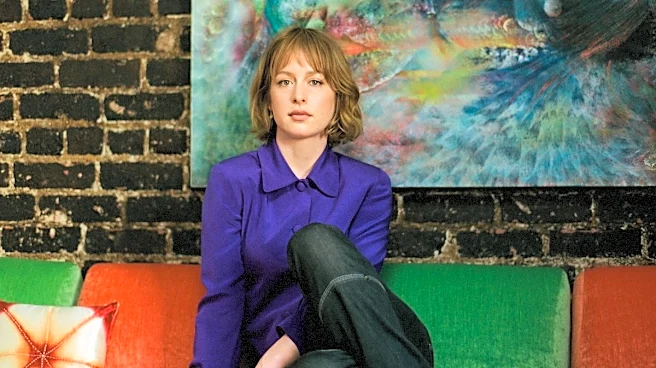
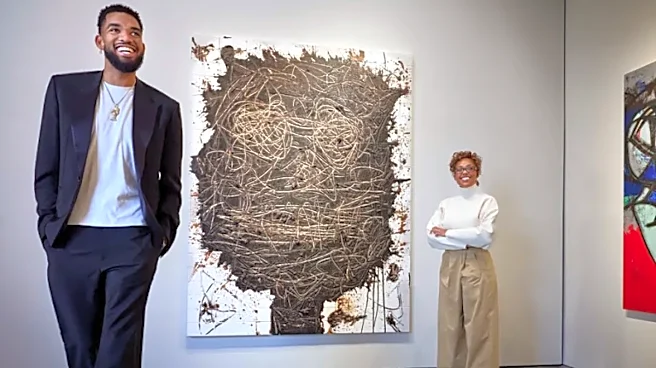
Ellie Rines, a prominent New York art dealer, has moved her gallery from Chinatown to a new space in Tribeca, rebranding it as Ellie Rines Gallery. After a decade operating as 56 Henry, Rines's relocation to 46 Walker Street signifies a new chapter, joining
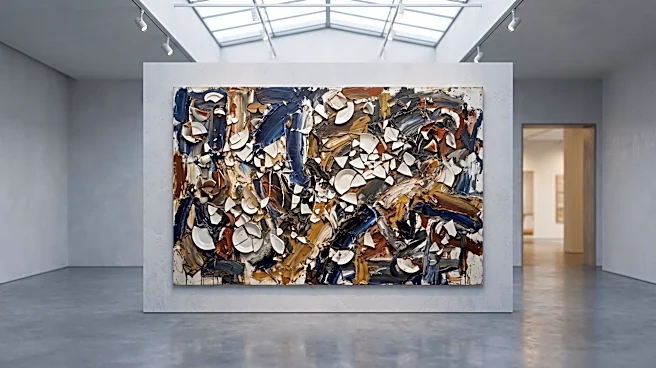
a growing number of galleries migrating to the upscale Tribeca neighborhood. The new gallery, which previously housed the Soho Rep theater, boasts 14.5-foot-high ceilings, providing an expansive environment for exhibitions. The inaugural show features 20 candelabra sculptures by Christopher K. Ho, designed to interact with the space's unique dimensions. Rines's move is partly driven by the desire for a larger space that she couldn't find in Chinatown and a strategic consolidation of her previous two Henry Street locations, which had become financially inefficient to manage alongside art fair demands. The gallery has also brought in a new director, Isabelle Hogenkamp, and now operates with a six-person team.
Why It's Important?
The relocation of Ellie Rines Gallery to Tribeca is a significant development in the New York art market, reflecting a broader trend of galleries consolidating and moving to new districts. This shift can reshape the dynamics of the city's art scene, establishing Tribeca as a central hub for contemporary art. For artists, it offers new exhibition opportunities in larger, more modern spaces, potentially influencing the scale and type of work being shown. For collectors and art enthusiasts, it means a new concentration of galleries to explore, fostering a vibrant cultural destination. The move also highlights the economic pressures faced by galleries, as rising overheads and the demands of art fairs necessitate strategic decisions regarding physical space. Rines's decision to operate under her own name further personalizes the gallery's identity, emphasizing her curatorial vision and influence in the art world.
What's Next?
The Tribeca art scene is expected to continue its growth, attracting more galleries and art-related businesses. Ellie Rines Gallery will likely continue to showcase a diverse range of contemporary artists, with its new, larger space allowing for more ambitious installations and exhibitions. The gallery's expanded team and personalized branding under Ellie Rines's name suggest a focused effort to strengthen its presence and influence in the art market. The future of the former Chinatown spaces, 56 and 105 Henry, remains to be seen, but Rines hopes other art galleries will take them over, potentially fostering new artistic communities in that area. This ongoing migration and consolidation of galleries will continue to redefine New York's art districts, creating new opportunities and challenges for artists, dealers, and the public.
Beyond the Headlines
The migration of galleries like Ellie Rines's from established art districts to emerging ones like Tribeca speaks to the evolving nature of urban cultural landscapes and the economic realities of the art market. It reflects a constant search for spaces that are both aesthetically suitable and financially viable, often leading to the revitalization of commercial areas. This trend also underscores the resilience and adaptability of gallerists who navigate fluctuating market conditions and real estate pressures. Beyond the commercial aspects, these moves contribute to the decentralization of art, making it accessible to different neighborhoods and fostering new cultural dialogues. The story of Ellie Rines, who started her first gallery in a converted elevator shaft, also highlights the entrepreneurial spirit and dedication required to succeed in the competitive art world, demonstrating how individual vision can shape the broader artistic ecosystem.