



What's Happening?
A new trend is emerging in the luxury bridal-wear market, with bridal salons in New York and Los Angeles undergoing significant design overhauls to create more intimate and upscale experiences for brides. This transformation is driven by the global bridal-wear market's
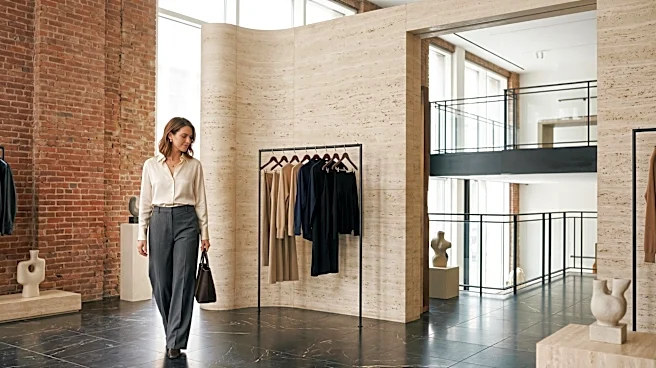
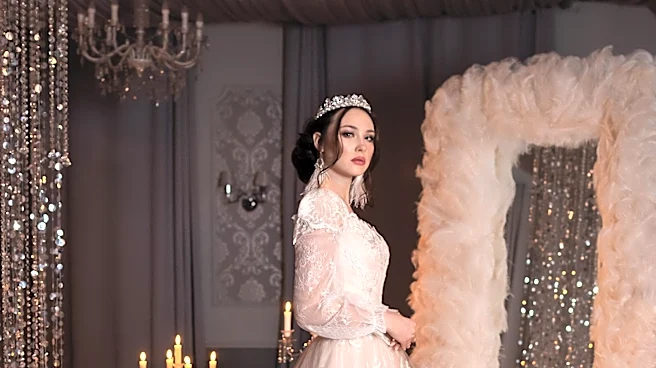
projected growth to $83.5 billion by 2030. Instead of traditional, often sterile, salon environments, these new spaces are designed to resemble chic residences, employing top-tier designers known for their residential work. For instance, Lela Rose opened a new bridal atelier in New York City, reimagined by Studio DB, featuring bespoke plasterwork, vintage furniture, and handmade touches. Similarly, Christy Baird, owner of LOHO Bride in Los Angeles, hired ELLE Decor A-List firm Husband Wife to design a VIP area, aiming for a comfortable, home-like atmosphere. Alexandra Grecco's Manhattan showroom was designed by Somerset House, incorporating pieces by renowned designers, while Danielle Frankel's Los Angeles boutique, designed by Augusta Hoffman, prioritizes ambience and privacy over product display. These designers are focusing on creating an experience that feels personal and luxurious, moving away from overtly commercial settings.
Why It's Important?
This trend signifies a significant evolution in the U.S. luxury retail sector, particularly within the bridal industry. The investment in high-end interior design for bridal salons reflects a strategic effort to capture a growing market segment of high-spending brides who prioritize experience and exclusivity. By transforming these spaces into luxurious, home-like environments, businesses are not only enhancing the customer journey but also differentiating themselves in a competitive market. This approach can lead to increased sales and customer loyalty, as evidenced by LOHO Bride's experience of unlocking a 'much higher-spending bride.' For the broader U.S. retail landscape, this trend suggests that experiential retail, where the environment itself is a key part of the product, is becoming increasingly vital for luxury brands. It also highlights the growing influence of residential interior designers in commercial spaces, blurring the lines between home and retail aesthetics. This could set a precedent for other luxury sectors to adopt similar strategies, focusing on creating immersive and personalized customer experiences.
What's Next?
The success of these redesigned luxury bridal salons is likely to inspire similar transformations across the U.S. bridal industry and potentially other high-end retail sectors. More bridal brands may invest in collaborating with renowned interior designers to elevate their physical spaces and enhance the customer experience. This could lead to a greater emphasis on bespoke design elements, curated art, and personalized service within retail environments. We might see a continued shift away from traditional, functional retail spaces towards more aesthetically pleasing and emotionally resonant environments. The focus on creating a 'safe' and 'comfortable' atmosphere during a significant life event like wedding dress shopping could also influence how other personal shopping experiences are designed. Furthermore, the increased competition for high-spending clientele will likely drive further innovation in customer service and personalized offerings within the luxury market.
Beyond the Headlines
The transformation of bridal salons into luxurious, home-like environments reflects a deeper cultural shift in consumer expectations, particularly among affluent demographics. Brides are not just purchasing a dress; they are seeking an entire experience that aligns with the significance and emotional weight of their wedding. This trend underscores the increasing value placed on aesthetics, comfort, and personalized attention in consumer interactions. It also highlights a desire for authenticity and a rejection of generic, mass-market retail experiences. The involvement of residential designers in commercial spaces suggests a blurring of boundaries between personal and public environments, where consumers expect the same level of design sophistication and comfort in retail as they do in their homes. This could have long-term implications for urban planning and commercial architecture, encouraging the creation of more human-centric and aesthetically rich public spaces. Ultimately, this trend points to a broader societal appreciation for craftsmanship, thoughtful design, and the emotional resonance of physical spaces in shaping consumer behavior and brand loyalty.