








What's Happening?
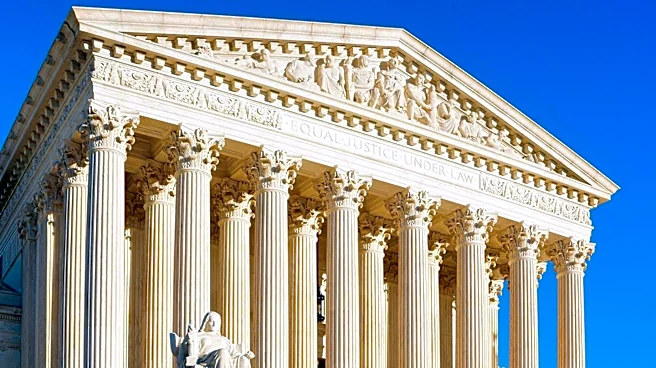
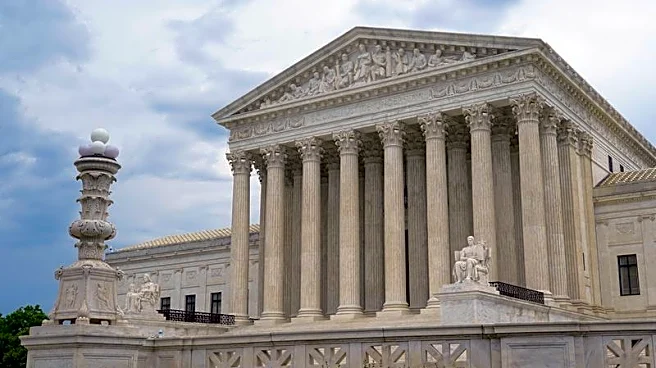
The U.S. Supreme Court has ruled in favor of Bayer in a significant case concerning glyphosate-based herbicides, affirming the safety assessments conducted by the U.S. Environmental Protection Agency (EPA). The decision provides regulatory clarity by confirming
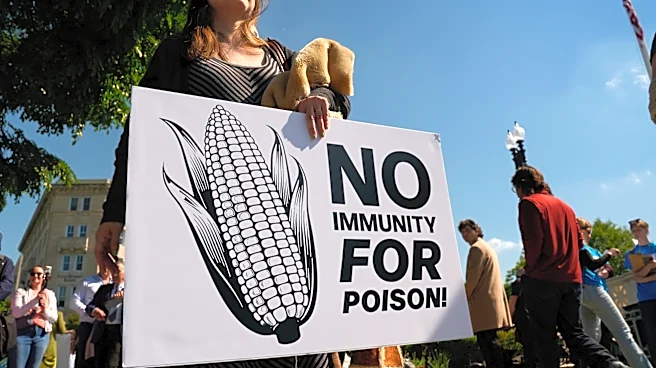
that companies adhering to federal safety labeling requirements cannot be held liable under varying state regulations. This ruling is expected to reduce ongoing litigation related to Roundup, a glyphosate-based product, and prevent future lawsuits. Bayer CEO Bill Anderson expressed relief, noting that the decision restores public confidence in the safety of glyphosate and supports the company's strategy to resolve litigation through a class-action settlement. The ruling aligns with the scientific consensus that glyphosate is not carcinogenic when used properly, a view supported by leading regulatory agencies worldwide.
Why It's Important?
The Supreme Court's decision is crucial for the U.S. agricultural sector, as it provides much-needed legal certainty for farmers and companies like Bayer. Glyphosate is a widely used herbicide that plays a key role in modern agriculture by enabling sustainable farming practices and keeping production costs low. The ruling helps restore trust in the regulatory process and the scientific assessments conducted by the EPA and other global agencies. For Bayer, the decision alleviates a significant financial burden and allows the company to focus on its strategic goals, including the class-action settlement to address claims related to non-Hodgkin's lymphoma. The ruling also underscores the importance of a uniform regulatory framework, which benefits manufacturers, farmers, and consumers by preventing a patchwork of state-level requirements.
What's Next?
Following the Supreme Court's ruling, Bayer will continue to implement its multi-pronged strategy to resolve glyphosate-related litigation. The class-action settlement, which has been preliminarily approved, is expected to play a significant role in reducing the number of lawsuits. Bayer will likely focus on rebuilding public trust and reinforcing the safety of its products through continued compliance with federal regulations. The decision may also influence future legal cases involving agricultural chemicals, setting a precedent for how federal and state regulations interact. For the agricultural sector, the ruling could lead to increased stability and confidence in using glyphosate-based products, supporting sustainable farming practices and food security.