



What's Happening?
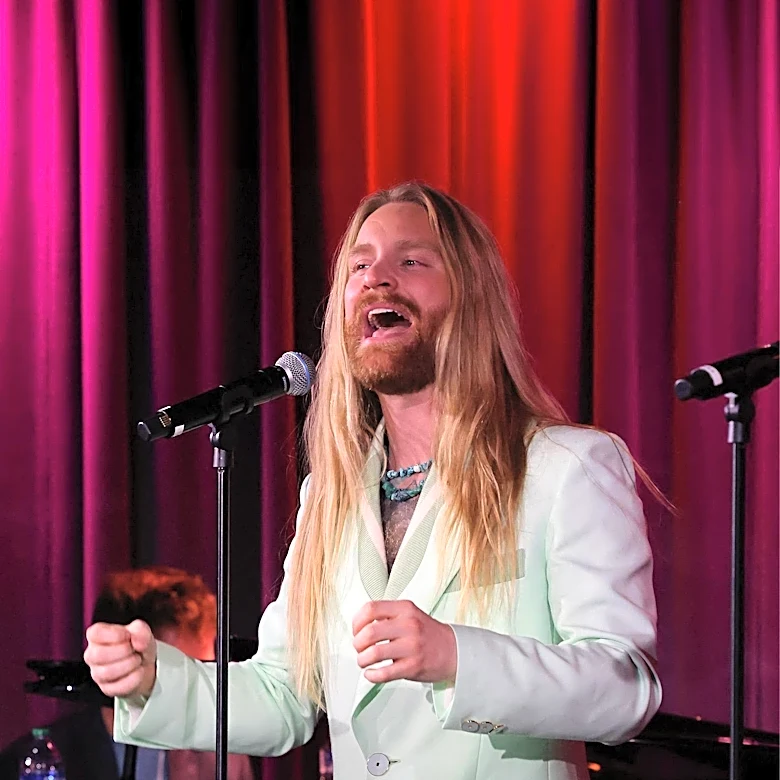
Swedish pop icon Robyn recently described the Eurovision Song Contest as 'embarrassing' and 'overstimulating' during an episode of Amy Poehler's podcast, igniting a debate among fans and critics. While some agreed with her assessment, others defended
the competition's unique charm, viewing it as a light-hearted celebration of music and culture. The discussion also touched upon the musical standards of Eurovision, with some fans acknowledging an improvement in overall quality in recent years despite past questionable winners. A significant point of contention raised was the impact of political voting, particularly in light of Israel's participation in the contest. According to the article, multiple countries withdrew from the competition after Eurovision announced Israel would be permitted to compete, an issue that the United Nations has characterized as a genocide, which Israel denies. This political dimension has added another layer to the ongoing debate about the contest's integrity and purpose.
Why It's Important?
The debate surrounding Robyn's critique and the political controversies at Eurovision highlights broader discussions about the intersection of art, politics, and cultural values. The withdrawal of multiple countries due to Israel's participation, following the UN's characterization of actions in the region as genocide, underscores the increasing pressure on international cultural events to take stances on global political issues. This situation can impact the perceived neutrality and inclusivity of such events, potentially alienating participants and audiences who feel their values are not being upheld. For the U.S., while not a direct participant in Eurovision, these discussions reflect a global trend where consumers and artists demand social and political accountability from institutions, influencing how American cultural exports and events might be scrutinized on the international stage. The controversy also raises questions about the role of cultural events in fostering unity versus becoming platforms for political protest, affecting their long-term viability and appeal.
What's Next?
The ongoing debate about Eurovision's musical standards and political voting is likely to continue, especially with future iterations of the contest. The European Broadcasting Union (EBU), which organizes Eurovision, may face increased scrutiny and pressure to address concerns regarding political influence and human rights issues in participant selection. Future decisions regarding country participation, particularly those involved in international conflicts, will be closely watched by both fans and political observers. The impact of artist critiques, like Robyn's, could also encourage more public figures to voice their opinions, further shaping public perception of the contest. The EBU will need to navigate these complex issues to maintain the contest's reputation as a celebration of music and culture, while also addressing the ethical and political considerations raised by its global audience and participants.
Beyond the Headlines
The Eurovision debate extends beyond mere musical preferences, touching upon deeper ethical and cultural dimensions. The contest, often seen as a symbol of European unity and diversity, faces challenges in reconciling its celebratory nature with complex geopolitical realities. The withdrawal of countries over Israel's participation highlights the growing expectation for cultural institutions to align with human rights principles, even if it means sacrificing broad participation. This trend could lead to a re-evaluation of the criteria for participation in international events, potentially setting precedents for other global competitions and festivals. Furthermore, the discussion about the contest's cultural significance, particularly for the LGBT+ community in Europe, underscores how such events serve as important platforms for identity and representation. Any perceived compromise of these values due to political decisions can have significant cultural repercussions, affecting the sense of belonging and celebration for various communities.